Eighteen Years On: Remembering the Victims and Security Legacy of the 26/11 Mumbai Terror Attacks
Eighteen years after the devastating 2008 sea-borne terror attacks, Mumbai continues to honor the victims and security personnel who confronted the 60-hour siege.

- The 2008 Mumbai terror attacks lasted roughly 60 hours from November 26 to November 29, leaving 166 people dead and over 300 injured.
- Ten Lashkar-e-Taiba terrorists sailed from Pakistan and targeted prominent locations including railway stations, hotels, cafes, and hospitals.
- Attacker Mohammed Ajmal Kasab was captured and hanged in 2012, while co-accused Tahawwur Hussain Rana was extradited from the US in 2025.
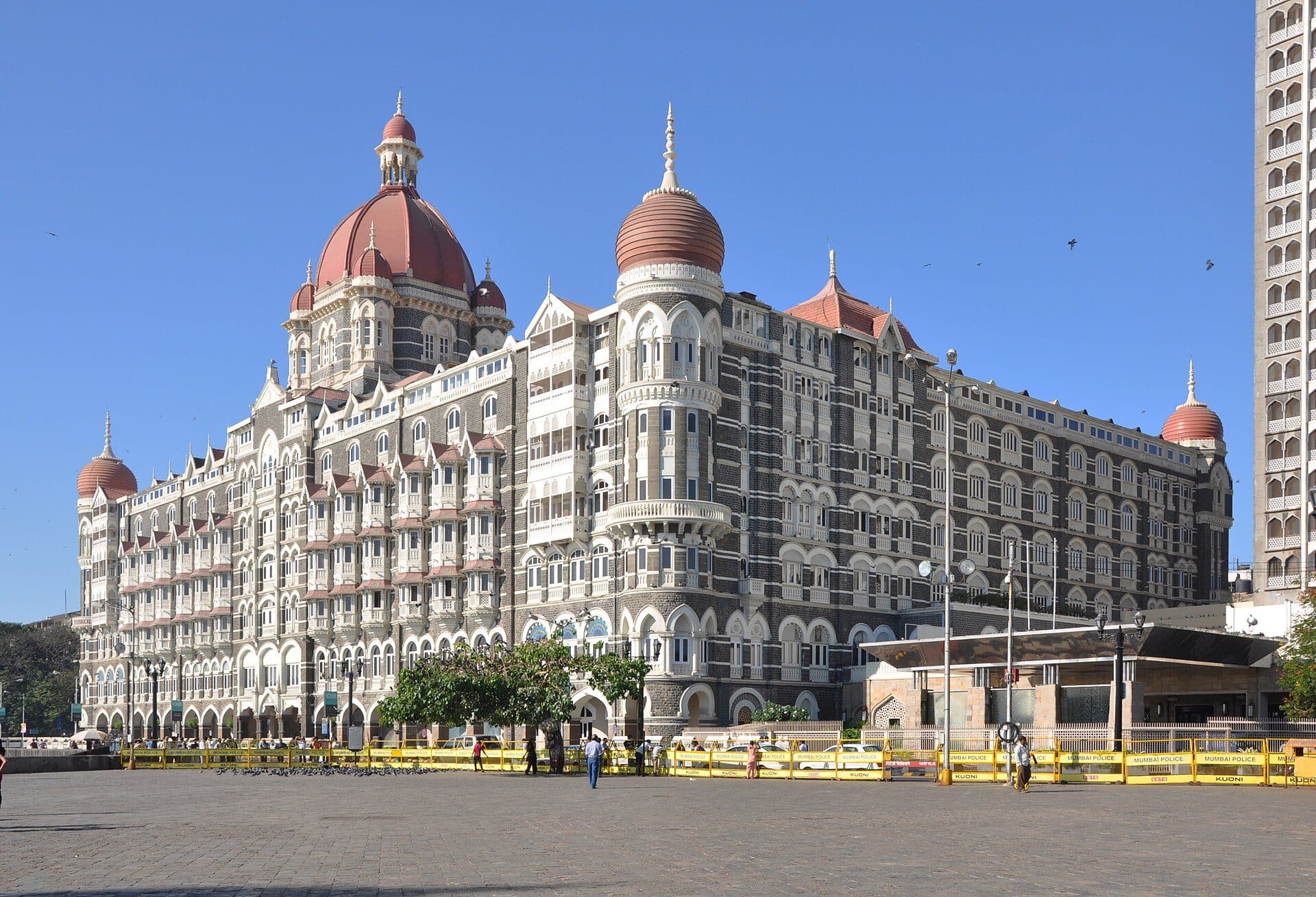
Eighteen years after the coordinated terror strikes that shook India's financial capital, the human toll and security repercussions of the 2008 assault remain deeply embedded in public memory. Ten heavily armed Lashkar-e-Taiba operatives sailed from Pakistan into Mumbai, initiating a carnage on the night of November 26 that lasted roughly 60 hours until the morning of November 29. The strikes resulted in the deaths of 166 individuals, including foreign nationals, and left more than 300 others injured.
Targeted Locations and Security Response
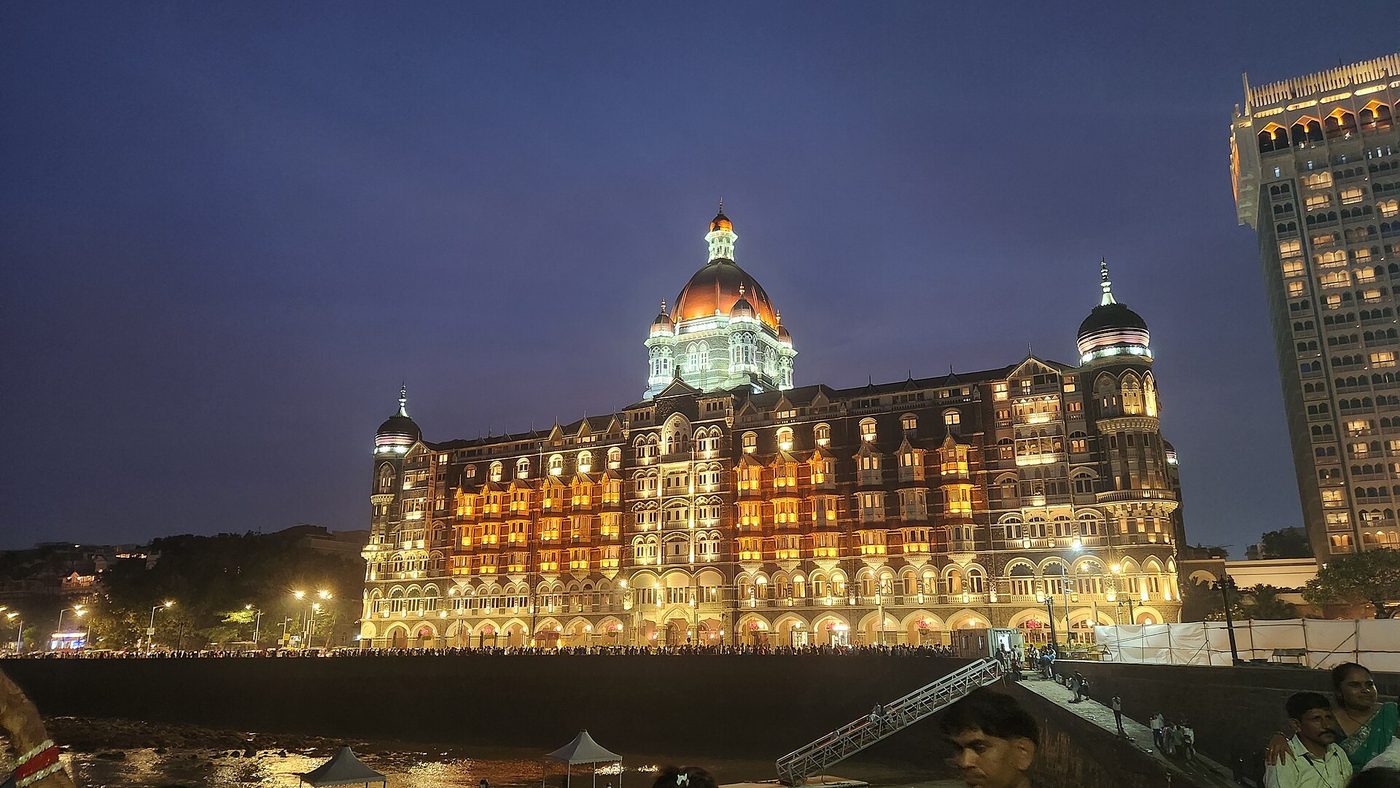
The attackers executed synchronized assaults across multiple prominent landmarks, including the Chhatrapati Shivaji Maharaj Terminus, the Taj Mahal Palace Hotel, the Trident Hotel, Nariman House, Leopold Cafe, and Cama and Albless Hospital. By occupying buildings and taking hostages, the heavily armed assailants utilized architectural layouts to challenge security forces during prolonged gun battles. The 60-hour siege was ultimately concluded through a joint response involving the Mumbai Police, armed police personnel, the Indian Navy's Marine Commandos, and the National Security Guard.
Historical Context and Prior Attacks
Mumbai has faced multiple major terrorist incidents over recent decades, adding historical gravity to the 2008 tragedy. The megapolis previously suffered coordinated bomb blasts across 12 locations on March 12, 1993, resulting in 257 deaths and thousands of injuries. Subsequent major strikes included serial train explosions on July 11, 2006, which killed 188 people, and triple blasts in Dadar, Zaveri Bazaar, and Opera House on July 13, 2011, claiming 27 lives.
Legal Proceedings and Investigation Outcomes
According to the official chargesheet, the 2008 operations were meticulously planned and executed following extensive training and briefing. Out of the ten attackers, Mohammed Ajmal Kasab was apprehended alive, subsequently tried, convicted, and hanged in November 2012. Key conspirator David Coleman Headley, who performed reconnaissance prior to the attacks, gave evidence before an Indian court via video-conferencing from the United States. Furthermore, co-accused Tahawwur Hussain Rana was extradited from the United States in 2025 to face trial in India, though several other masterminds and handlers believed to be based in Pakistan remain outside the reach of Indian authorities.
Commemoration and Legacy
The sea-borne infiltration exposed critical vulnerabilities in coastal security, intelligence networks, and inter-agency coordination, triggering a substantial overhaul of national counter-terrorism preparedness. Annual commemorative events involve floral tributes at the Mumbai Police headquarters, CSMT, Cama and Albless Hospital, and other impacted sites to honor fallen personnel and victims. Residents also assemble at Prerana Sthal, the statue dedicated to Assistant Sub-Inspector Tukaram Ombale, who was killed while subduing Kasab with a lathi at Girgaon Chowpatty.
- The 60-hour siege exposed coastal security and intelligence gaps, prompting a major overhaul of India's counter-terrorism framework.
- Joint operations by local police, marine commandos, and the National Security Guard neutralized the attackers across multiple iconic city locations.
- Annual memorials honor victims and fallen heroes like ASI Tukaram Ombale at sites including the Mumbai Police headquarters and Prerana Sthal.
Spotted an error? · Our editorial policy
UP NEXTMajor Black Friday and Thanksgiving Retail Sales Bring Deep Discounts on Tech HardwareSwipe more stories · WorldQuick cards, a few lines each. Tap to open.More from World
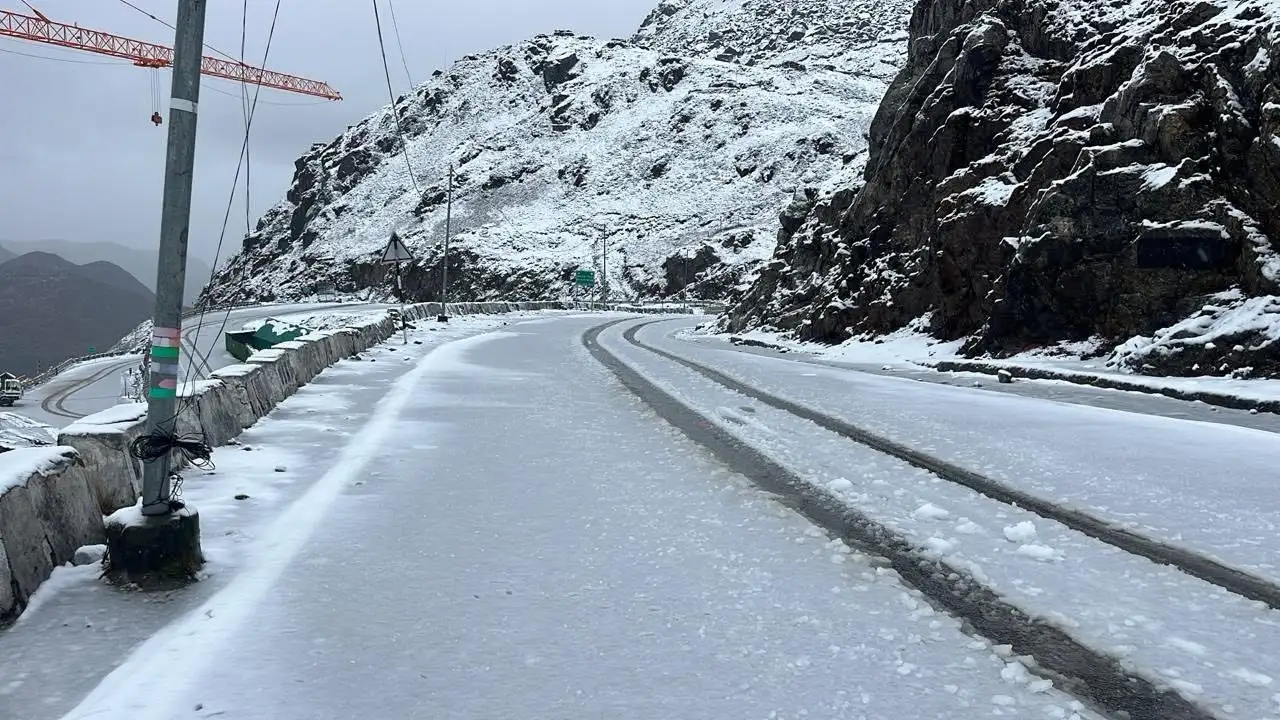
Nathula Pass Border Trade Season Set to Conclude on November 30
UK Department for Work and Pensions Takes Online Services Offline Following Cyber Incident
President Trump Approves Major Disaster Declaration for Florida Following Severe Flooding