Israeli Political Impasse Deepens as Netanyahu Urges Unity and Eisenkot Rejects Ruse
Caretaker Prime Minister Benjamin Netanyahu called for a national unity government, but rival leader Gadi Eisenkot dismissed the proposal as a political trick amid ongoing coalition negotiations.

- Benjamin Netanyahu called for a national unity government to address security and the Iranian threat.
- Gadi Eisenkot dismissed Netanyahu's appeal as a political trick and a ruse.
- Eisenkot holds a mandate to form a government within 28 days with a possible 14-day extension.
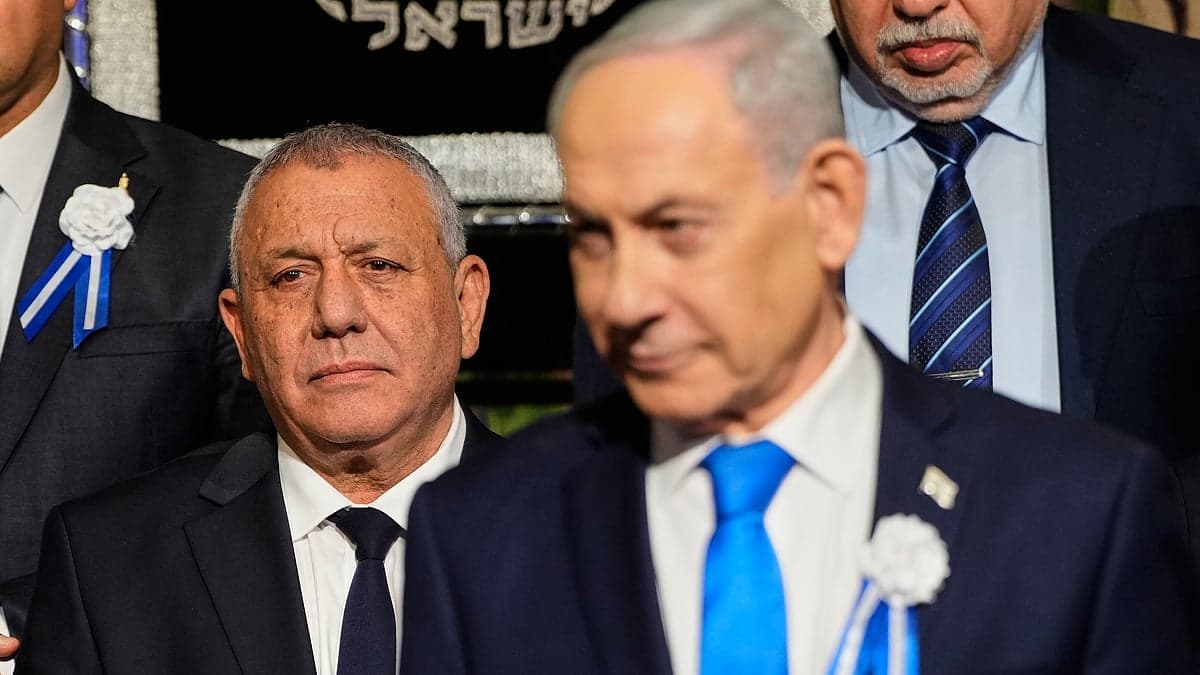
Israel's political landscape remains strained following a fresh exchange between caretaker Prime Minister Benjamin Netanyahu and his primary political opponent, Gadi Eisenkot. Netanyahu released a video statement on Saturday renewing his appeal for a national unity government. This public push follows a direct meeting between the two political figures on Thursday, which the outgoing prime minister claimed solidified his view that a united administration is vital.
The Core Security Arguments
In his video address, Netanyahu argued that a broad coalition would be uniquely positioned to guarantee the nation's security and permanently neutralize what he described as the Iranian threat. He asserted that such a government must consist exclusively of political factions that formally recognize Israel as a state for the Jewish people. Furthermore, he warned that Iran would reportedly not hesitate to deploy nuclear weapons against the country if leaders failed to unite.
Disagreements Over Minority Administration Plans
The caretaker leader explicitly criticized a proposed alternative strategy from Eisenkot involving a minority administration labeled as a national emergency government. Under that specific legislative layout, Eisenkot's bloc commands 48 lawmakers, compared to 46 legislators backing Netanyahu. The remaining 26 members of parliament representing Arab and ultra-Orthodox parties could potentially abstain from voting, which would theoretically enable the administration to secure approval in the 120-seat Knesset without holding an absolute majority.
Accusations of Political Maneuvering
Netanyahu urged his rival to abandon plans for a weak and hazardous administration, inviting him instead to enter discussions without preconditions to forge agreements. Moments after that public appeal, Eisenkot forcefully rejected the overture. The former army chief claimed that his opponent was well aware of losing the election and was merely employing tactical maneuvers. Eisenkot accused Netanyahu of sowing division and escalating societal tensions despite publicly advocating for cooperation.
Coalition Formation Timeline and Challenges
Eisenkot received an official mandate on Sunday to construct a new government within a standard 28-day window, which includes provisions for a potential 14-day extension if necessary. Coalition talks are anticipated to encounter severe friction due to previous political campaigns. Observers note that Netanyahu previously pursued efforts to discredit Arab-Israeli factions, which successfully secured a record number of legislative seats during the recent electoral cycle.
Exclusionary Frameworks and Extremism Conditions
Under Netanyahu's vision, a unity government would span center-to-right Jewish parties while systematically excluding Arab political factions. Conversely, Eisenkot has stated he remains open to collaborating with members of Netanyahu's Likud party and outgoing Finance Minister Bezalel Smotrich's Religious Zionism faction, provided their dedication to unity is genuine. However, Eisenkot clarified that a coalition including Netanyahu personally is improbable following what he termed a racist electoral campaign against Arab parties.
Conditions Involving Far-Right Factions
As a strict prerequisite for any potential participation in a government under his command, Eisenkot reiterated demands for a definitive political separation from extremist elements. He specifically pointed to supporters operating under far-right minister Itamar Ben Gvir. These ideological divisions continue to complicate ongoing discussions aimed at securing a stable parliamentary majority before legislative deadlines expire.
Upcoming Speaker Election Battle
Another major point of legislative friction centers on the upcoming Tuesday vote to select the speaker of the Knesset. The position is currently occupied by Amir Ohana, who maintains close political ties to Netanyahu. In response, opposition figures nominated Matan Kahana, a former military officer who ranked fifth on Eisenkot's electoral list, to contest the role. Eisenkot insisted that if Likud and its political allies genuinely desire a sincere partnership, they must permit normal democratic processes and instruct their members to support Kahana's appointment.
- Netanyahu warned against Eisenkot's plan to form a minority emergency government.
- The upcoming Knesset speaker election on Tuesday is a major point of contention between the rivals.
- Eisenkot conditioned his involvement on breaking ties with far-right extremists.
Spotted an error? · Our editorial policy
UP NEXTSanjay Kapoor Stars in ‘Unexpected – Safed Sach’ Based on 2024 Dehradun CaseOther angles · #Benjamin Netanyahu
Timeline →- NewsTrump Delays Decisions on Iran Strikes Until the New Year Amid Israeli Pressure
- NewsEisenkot Rejects Netanyahu Unity Appeal Amid Government Formation Talks
- NewsNetanyahu’s Office Rejects Claims of Tense Phone Call With Trump Over Iran Strategy
- NewsTrump and Netanyahu Reportedly Clash Over Iran Strategy Amid Political Turmoil in Israel
More from World Politics
Donald Trump Jokingly Asks White House Chief of Staff Stephen Miller About 2028 Presidential Run
Trump Discusses Nuclear Buildup and AI Safeguards Following Trilateral Summit with Xi and Putin

Trump Threatens Heavy Taxes on US Firms Constructing Data Centers Overseas