Netanyahu’s Office Rejects Claims of Tense Phone Call With Trump Over Iran Strategy
Israeli Prime Minister Benjamin Netanyahu’s office has dismissed reports of a heated phone call with United States President Donald Trump concerning Iran as completely false.

- Netanyahu's office denied reports of a heated phone call with Trump over Iran, calling them fake news and complete nonsense.
- Trump has signaled a preference for maintaining the status quo and holding off on new strikes after meeting the Qatari Prime Minister.
- Netanyahu argued in the Knesset that the nuclear threat from Iran requires overthrowing the ruling regime.
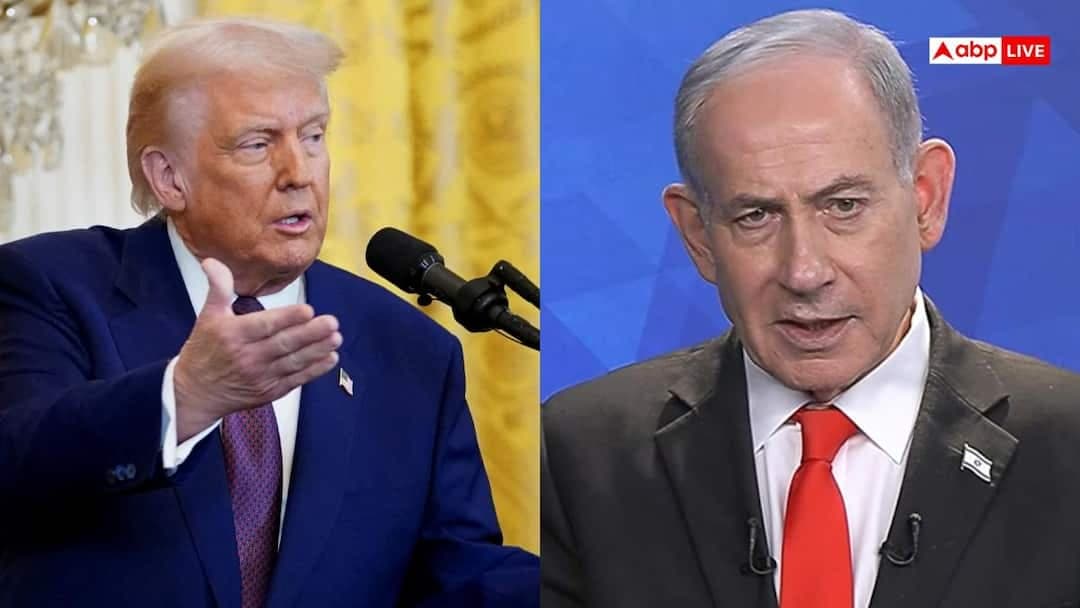
The office of Israeli Prime Minister Benjamin Netanyahu has formally dismissed reports alleging that a weekend phone conversation between him and United States President Donald Trump regarding Iran became exceptionally tense. Characterizing the claims as fake news and complete nonsense, the administration responded to an earlier account published by domestic media.
The initial local report, citing anonymous sources, described the exchange as an unusually difficult shouting match centered heavily on regional security policy. A senior Israeli official later confirmed that the dialogue took place over the weekend but strongly disputed the characterization of a heated confrontation, asserting that the discussion was very far from difficult.
Differing Strategies on Iran
The publicized dispute highlights apparent strategic divergences between Washington and Tel Aviv regarding potential military actions against Tehran. President Trump has recently pointed to positive momentum in ongoing negotiations and indicated a preference for maintaining the status quo, signaling a willingness to hold off on fresh military strikes. This posture followed discussions with Qatari Prime Minister Sheikh Mohammed bin Abdulrahman bin Jassim Al Althani, representing a nation involved in West Asia mediation efforts.
In contrast, Netanyahu used an address at the Knesset inauguration to argue that existential nuclear threats from Iran cannot be permanently resolved without the overthrow of the ruling regime. Furthermore, reports indicate that the Israeli leader has maintained daily calls urging Trump to authorize renewed military strikes against Tehran.
Stalemate and Past Military Actions
Current geopolitical tensions persist in a de facto stalemate that has lasted for months. Earlier joint US-Israeli strikes in February prompted retaliatory Iranian attacks targeting American military bases and interests throughout Gulf nations.
Following those escalations, Iran effectively blocked commercial shipping through the critical Strait of Hormuz, which subsequently led the United States to implement a counter-blockade targeting Iranian ports. Although both governments reached a preliminary ceasefire framework in June, the agreement collapsed rapidly over unresolved disagreements concerning the Strait of Hormuz and Tehran's nuclear development program.
While the Trump administration maintains that economic pressure alone may suffice to compel Iranian leaders back to diplomatic negotiations, Netanyahu remains committed to pursuing more aggressive strategic objectives to neutralize perceived threats against Israel.
Domestic Political Pressures
These international policy friction points coincide with significant domestic electoral challenges for both leaders. Netanyahu's Likud Party-led political bloc is currently projected to secure 53 seats in the 120-member Knesset, remaining short of the 61-seat threshold required for a governing majority.
Concurrently, President Trump's Republican Party experienced a major political setback after losing control of the United States Congress during the November midterm elections. Both administrations continue to navigate these internal governmental obstacles while managing differing foreign policy priorities in the Middle East.
- An anonymous local report claimed a weekend call between Trump and Netanyahu was a shouting match, which a senior Israeli official disputed.
- The conflict involving the US, Israel, and Iran remains in a de facto stalemate following a collapsed June ceasefire framework.
- Both leaders face domestic political challenges, with Netanyahu's bloc falling short of a Knesset majority and Trump's party losing Congress.
Spotted an error? · Our editorial policy
UP NEXTLairenlakpam Ambekar Meetei Wins India’s First Youth Olympics Boxing Gold in DakarMore from World

Alice Huang Barred From Singapore After Providing Inaccurate Information in Megaspeed Probe

Active Shooting and Barricade Situation Erupts in Washington, DC’s Logan Circle
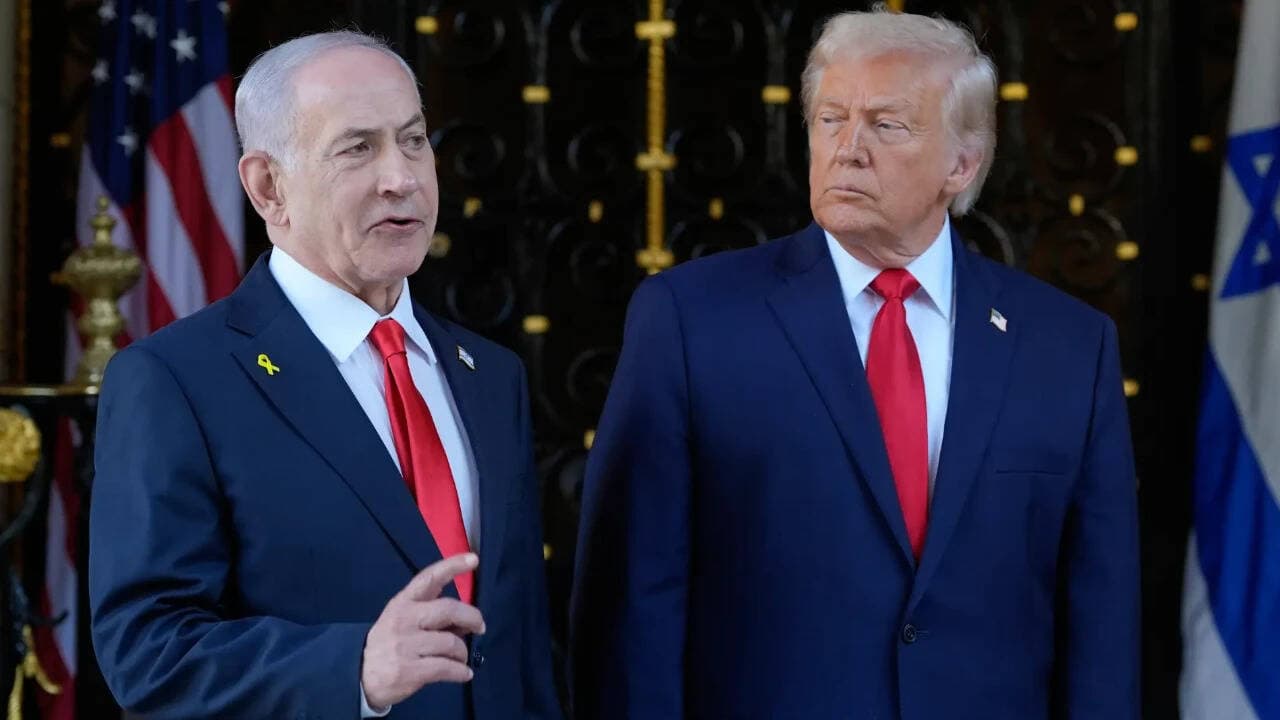
Trump and Netanyahu Reportedly Clash Over Iran Strategy Amid Political Turmoil in Israel