Eisenkot Rejects Netanyahu Unity Appeal Amid Government Formation Talks
Israeli political rival Gadi Eisenkot has dismissed caretaker Prime Minister Benjamin Netanyahu’s call for a national unity government, labeling the proposal a political trick.

- Caretaker Prime Minister Benjamin Netanyahu called for a national unity government during a video statement following a meeting with political rival Gadi Eisenkot.
- Gadi Eisenkot rejected the appeal, labeling it a political trick while coalition formation talks are already underway.
- Eisenkot received the mandate to form a government on Sunday, giving him 28 days with a possible 14-day extension.
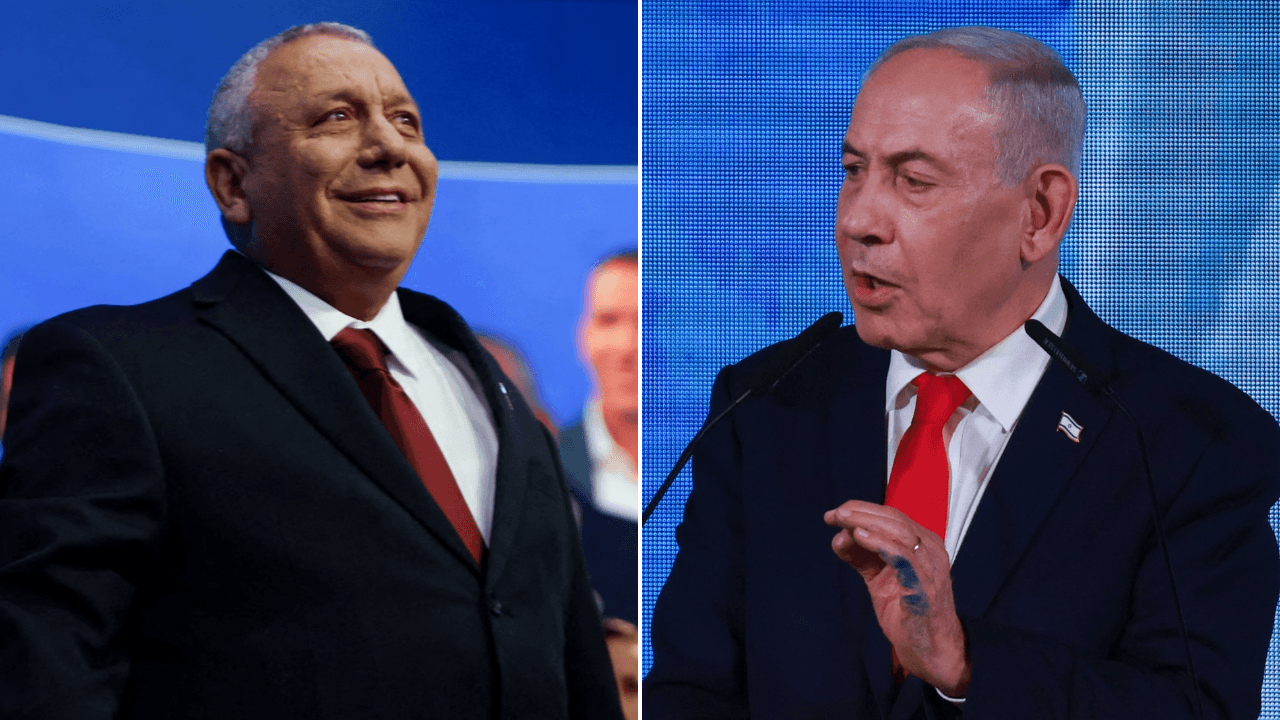
Political tensions in Israel intensified following a public exchange between caretaker Prime Minister Benjamin Netanyahu and political rival Gadi Eisenkot. Netanyahu released a video statement renewing his appeal for a national unity administration. This call followed a meeting between the two figures, which Netanyahu argued confirmed the urgent necessity of a joint government to address national security challenges.
Unity Appeal and Security Arguments
Netanyahu asserted that a broad administration could permanently neutralize the Iranian threat, claiming that Tehran would readily deploy nuclear weapons against the nation. He specified that the proposed coalition should consist of factions acknowledging the country as a state for the Jewish people. Furthermore, Netanyahu criticized an alternative minority administration proposal put forward by Eisenkot, characterizing that plan as fragile and hazardous.
The minority government framework outlined by Eisenkot relies on support from forty-eight lawmakers belonging to his bloc, contrasted with forty-six parliamentarians supporting Netanyahu. Under this arrangement, twenty-six remaining representatives from Arab and ultra-Orthodox factions could abstain, enabling the administration to pass votes within the one-and-twenty-seat Knesset without holding an absolute majority.
Eisenkot Responds to Tactical Maneuvers
Eisenkot swiftly rejected the overture, contending that Netanyahu launched the appeal while conscious of having lost the election and while coalition discussions were already active. Accusing the outgoing leader of fueling division, Eisenkot stated that such tactical maneuvers would prove ineffective.
Eisenkot received the mandate to establish a government on Sunday, granting him twenty-eight days to build a coalition, with an optional fourteen-day extension. Negotiations are anticipated to face severe hurdles, particularly regarding the status of Arab-Israeli parties that secured a record number of seats during the election, which Netanyahu actively campaigned against while planning a coalition excluding them.
Conditions for Coalition Participation
Despite ruling out cooperation with Netanyahu directly—citing what he described as racist campaigning against Arab parties—Eisenkot expressed openness to working with members of the Likud party and outgoing Finance Minister Bezalel Smotrich's Religious Zionism movement, provided their dedication to unity proves genuine.
As a strict prerequisite for any alliance under his direction, Eisenkot demanded a complete separation from extremist elements, specifically pointing to supporters of far-right minister Itamar Ben Gvir. Additionally, political divisions surfaced ahead of a scheduled Tuesday vote for the Knesset speaker. The position is currently held by Amir Ohana, a close ally of Netanyahu, while the opposition has advanced Matan Kahana, a former army officer and legislative candidate from Eisenkot's electoral list, as a replacement.
- Netanyahu argued a unity government is necessary to address security and eliminate threats.
- Eisenkot accused Netanyahu of trying to undermine ongoing government formation talks.
- Negotiations are complicated by disagreements over extremist factions and the upcoming Knesset speaker vote.
- Political tensions in Israel intensified following a public exchange between caretaker Prime Minister Benjamin Netanyahu and political rival Gadi Eisenkot.
Spotted an error? · Our editorial policy
UP NEXTDadasaheb Phalke International Film Festival Awards 2026: Taylor Swift and James Cameron Among WinnersOther angles · #Benjamin Netanyahu
Timeline →- NewsTrump Delays Decisions on Iran Strikes Until the New Year Amid Israeli Pressure
- NewsIsraeli Political Impasse Deepens as Netanyahu Urges Unity and Eisenkot Rejects Ruse
- NewsNetanyahu’s Office Rejects Claims of Tense Phone Call With Trump Over Iran Strategy
- NewsTrump and Netanyahu Reportedly Clash Over Iran Strategy Amid Political Turmoil in Israel
More from World Politics
Donald Trump Jokingly Asks White House Chief of Staff Stephen Miller About 2028 Presidential Run
Trump Discusses Nuclear Buildup and AI Safeguards Following Trilateral Summit with Xi and Putin

Trump Threatens Heavy Taxes on US Firms Constructing Data Centers Overseas