Microsoft declares internal Code Red following massive global M365 service outage
Microsoft has initiated an internal Code Red following a 24-hour global service outage that disrupted governments, trading firms, and airlines across multiple continents.

- Microsoft declared an internal Code Red following a 24-hour M365 service disruption on November 12 and 13.
- The outage affected governments, trading firms, and airlines globally, impacting Exchange Online, Outlook, and Teams.
- Microsoft set a target to achieve worldwide service restoration within 60 minutes for future incidents.
Microsoft has instituted an internal Code Red initiative carrying its highest level of urgency following a major 24-hour service outage that impacted key digital infrastructure globally. The disruption, which occurred across November 12 and 13, affected government operations, delayed trading firm activities, and disrupted airline communications across Australia, Japan, and the United States.
The extensive service disruption impacted Exchange Online, Outlook, Teams, Microsoft 365 Copilot, and other M365 products. At the height of the incident, more than 80 percent of affected services became unresponsive. M365 Core President Jason Henderson described the event in an internal memo as the most impactful customer disruption in Exchange history, noting that customers had never previously experienced email unavailability on such a scale. CEO Satya Nadella publicly apologized for the widespread disruption, clarifying that the incident was not tied to any cyber activity or AI agents, but stemmed from an undetected scalability defect.
Engineering and Crisis Response Overhaul
Internal engineering teams are now directed to prioritize reliability and resilience under the Code Red framework. Corporate Vice President Amanda Silver, who oversees M365 Core and Work IQ, noted in a memo that responders faced a fog of war scenario during the escalation. Despite deploying top engineering staff, coordination suffered as communications spanned 11 separate Teams channels with over 11,000 messages, and diagnostic data remained scattered across disparate internal tracking systems. Charles Lamanna, Executive Vice President for Copilot, Agents and Platform, stated during a review that the affected component experienced roughly ten years' worth of acceptable failures simultaneously.
A company spokesperson stated that work does not end when services are restored, emphasizing that teams continue working around the clock to implement lessons learned while leadership maintains this as a top priority. Henderson also highlighted previous structural bottlenecks, revealing that a recent urgent production fix took five to six days to deploy globally, a timeframe the company intends to reduce drastically.
New Recovery Targets and Strategic Workstreams
As part of the Code Red mobilization, Microsoft outlined five distinct workstreams focusing on load shedding, geographic traffic partitioning, and accelerated recovery mechanisms. The company has set a target to achieve worldwide service restoration within 60 minutes of future incidents and plans to deploy AI agents to assist engineers in analyzing system health data rapidly. Henderson confirmed he will hold daily and weekly reviews with the Substrate leadership team to track action plans, while infrastructure isolation measures are introduced to prevent localized technical failures from causing global consequences.
- The global outage was caused by an undetected scalability defect rather than cyber activity.
- Engineers faced coordination hurdles during the incident, utilizing 11 Teams channels for over 11,000 messages.
- Leadership has outlined workstreams involving traffic partitioning and AI agents to prevent similar global disruptions.
Spotted an error? · Our editorial policy
UP NEXTLionel Messi Reports Seeking to Restrict AFA Commercial Use of His ImageSwipe more stories · TechnologyQuick cards, a few lines each. Tap to open.More from Technology
Major Black Friday and Thanksgiving Retail Sales Bring Deep Discounts on Tech Hardware
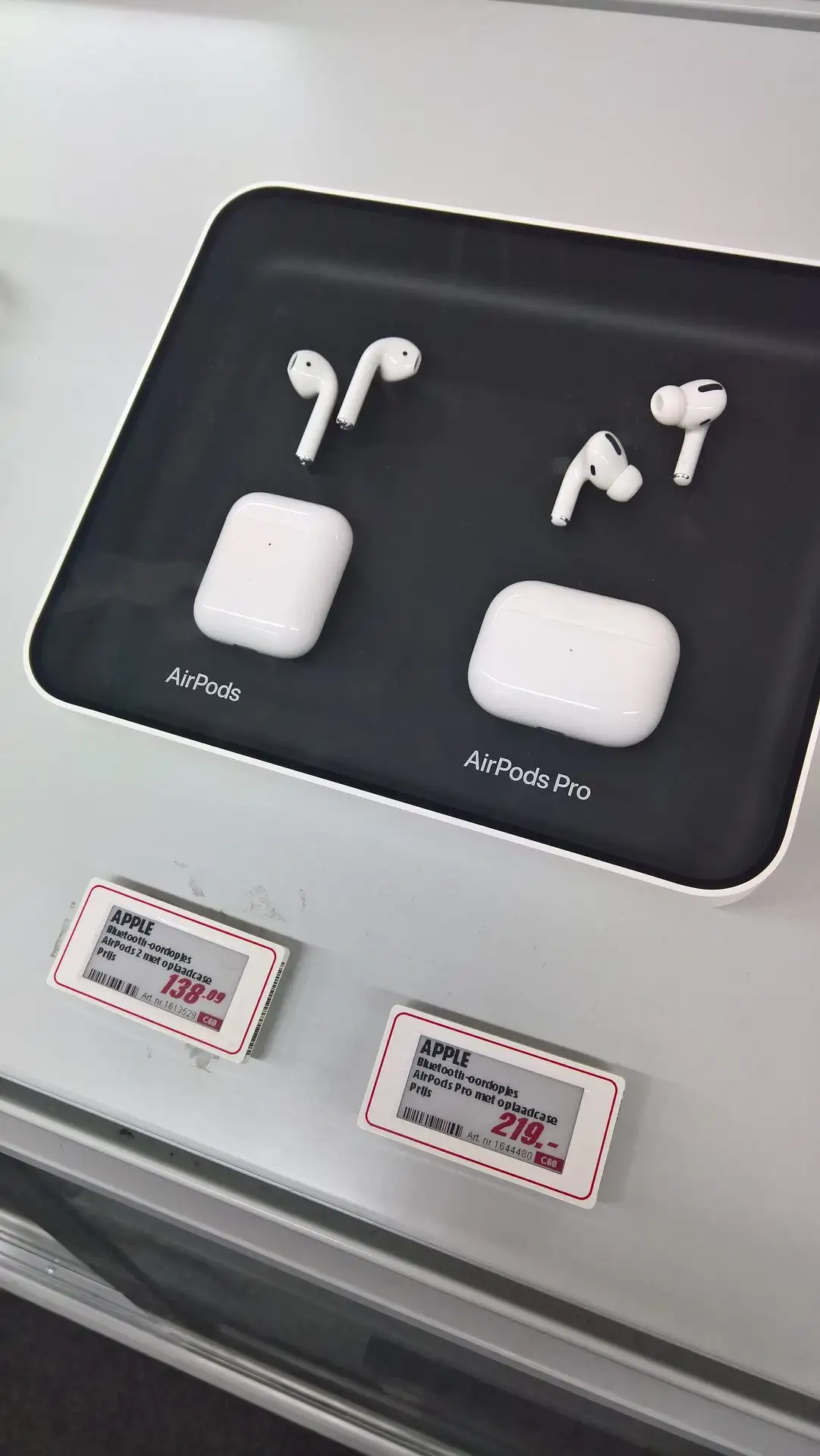
Black Friday Tech Sales Highlight Discounts on Apple, Beats, and Home Appliances
RBI Updates Regulatory Framework for White Label ATM Operators