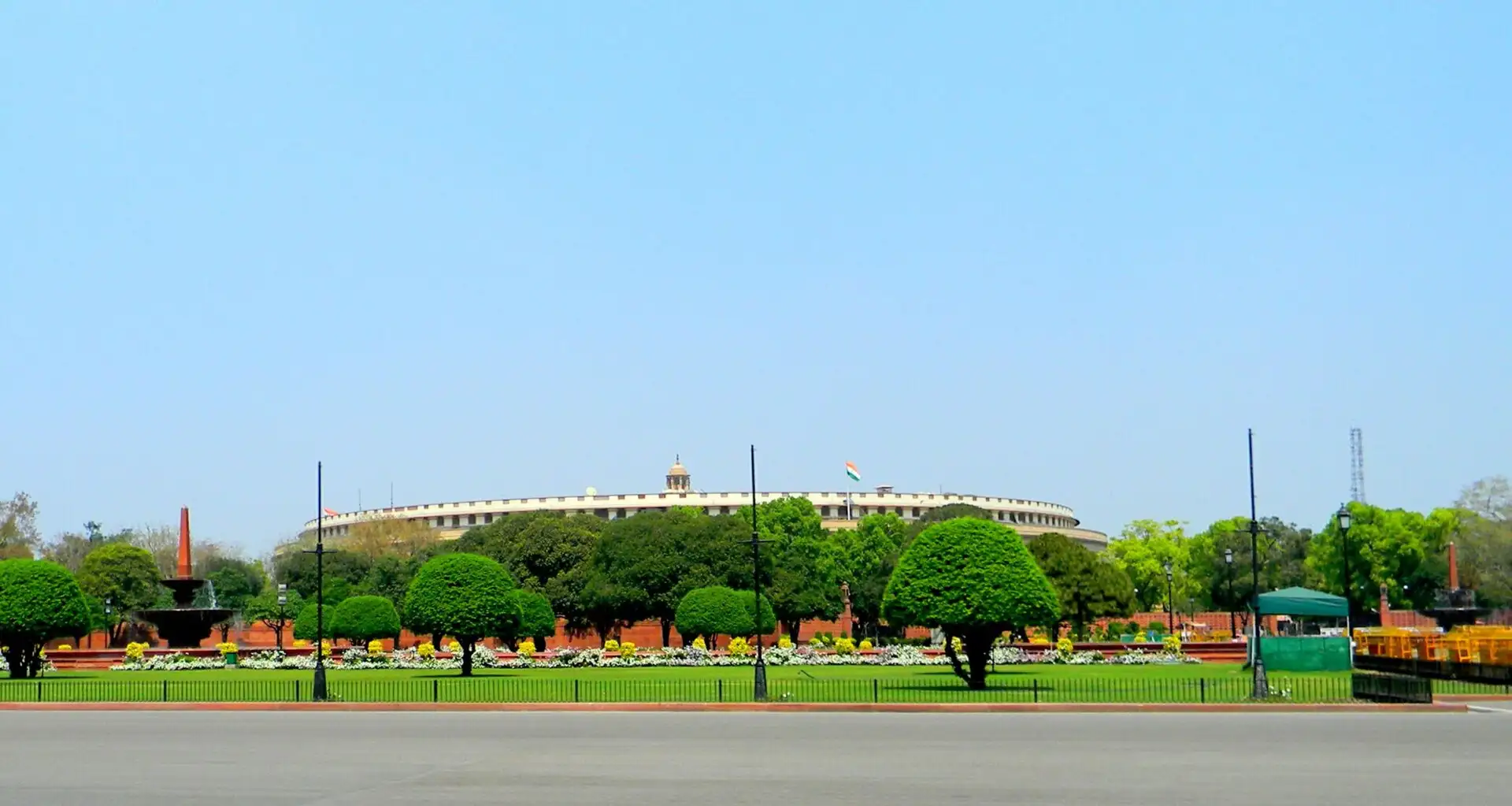
Tata Sons Files Caveats in Two Courts as Trusts Challenge Chairman Reappointment
Tata Sons has lodged precautionary caveats in the Bombay High Court and the Supreme Court after a single bench declined to halt the conglomerate’s November 30 board meeting.

- Tata Sons filed caveats in Bombay High Court and Supreme Court on November 27 as a precaution against appeals by Tata Trusts.
- Bombay High Court single bench refused interim relief to trusts, allowing November 30 board meeting to proceed subject to final order.
- Trusts challenge Chandrasekaran's third-term reappointment, citing Article 121 voting requirements and casting-vote interpretation.
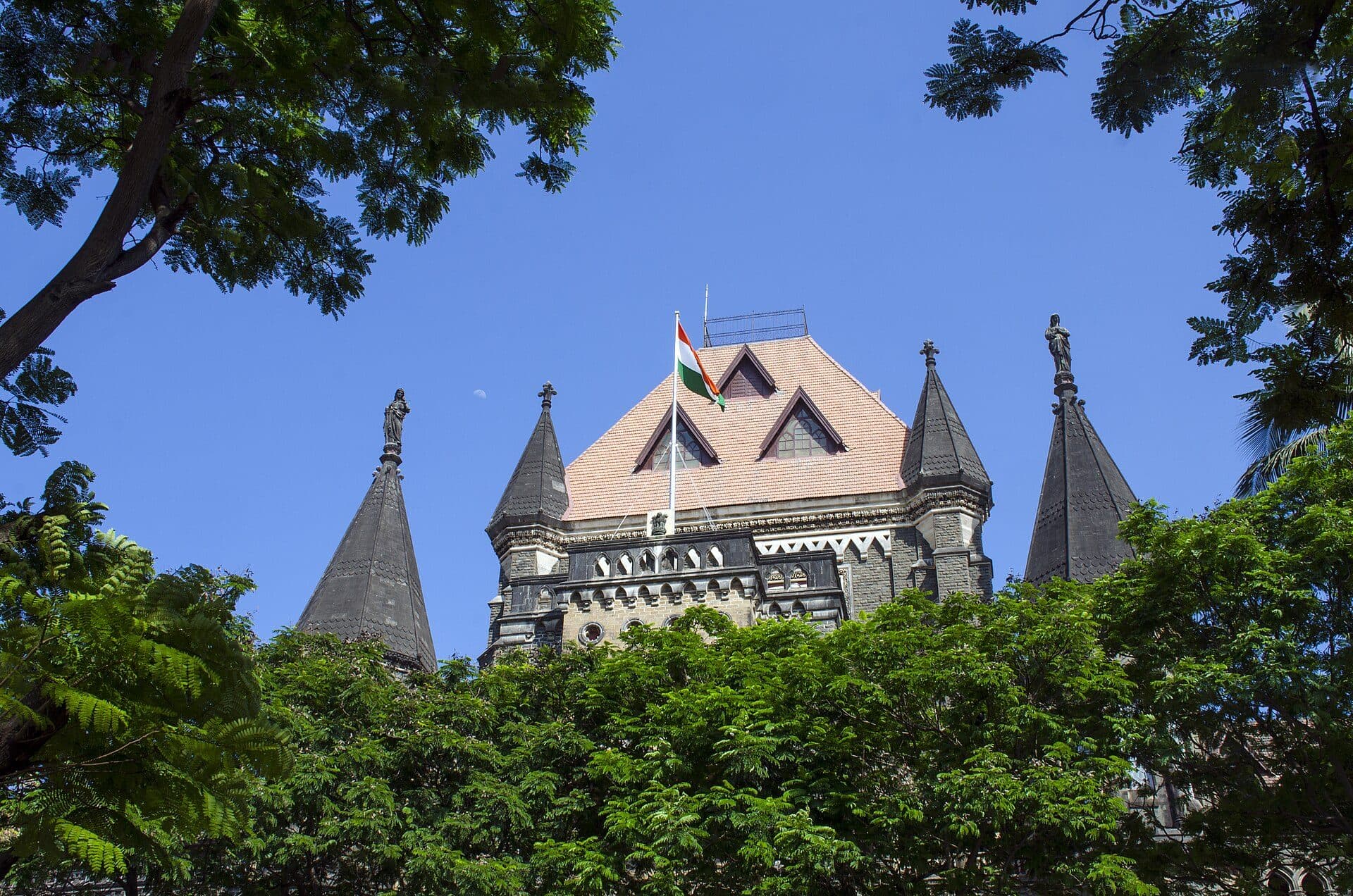
Tata Sons moved swiftly on November 27 to file caveats in the division bench of the Bombay High Court and in the Supreme Court, a procedural step designed to guarantee the holding company an opportunity to be heard should the Tata Trusts appeal a single-bench order issued earlier that day. The order, delivered by Justice Abhay Ahuja, refused interim relief to the Sir Dorabji Tata Trust and the RD Tata Trust, clearing the way for the scheduled November 30 board meeting to proceed while making any resolutions subject to the court's final judgment.
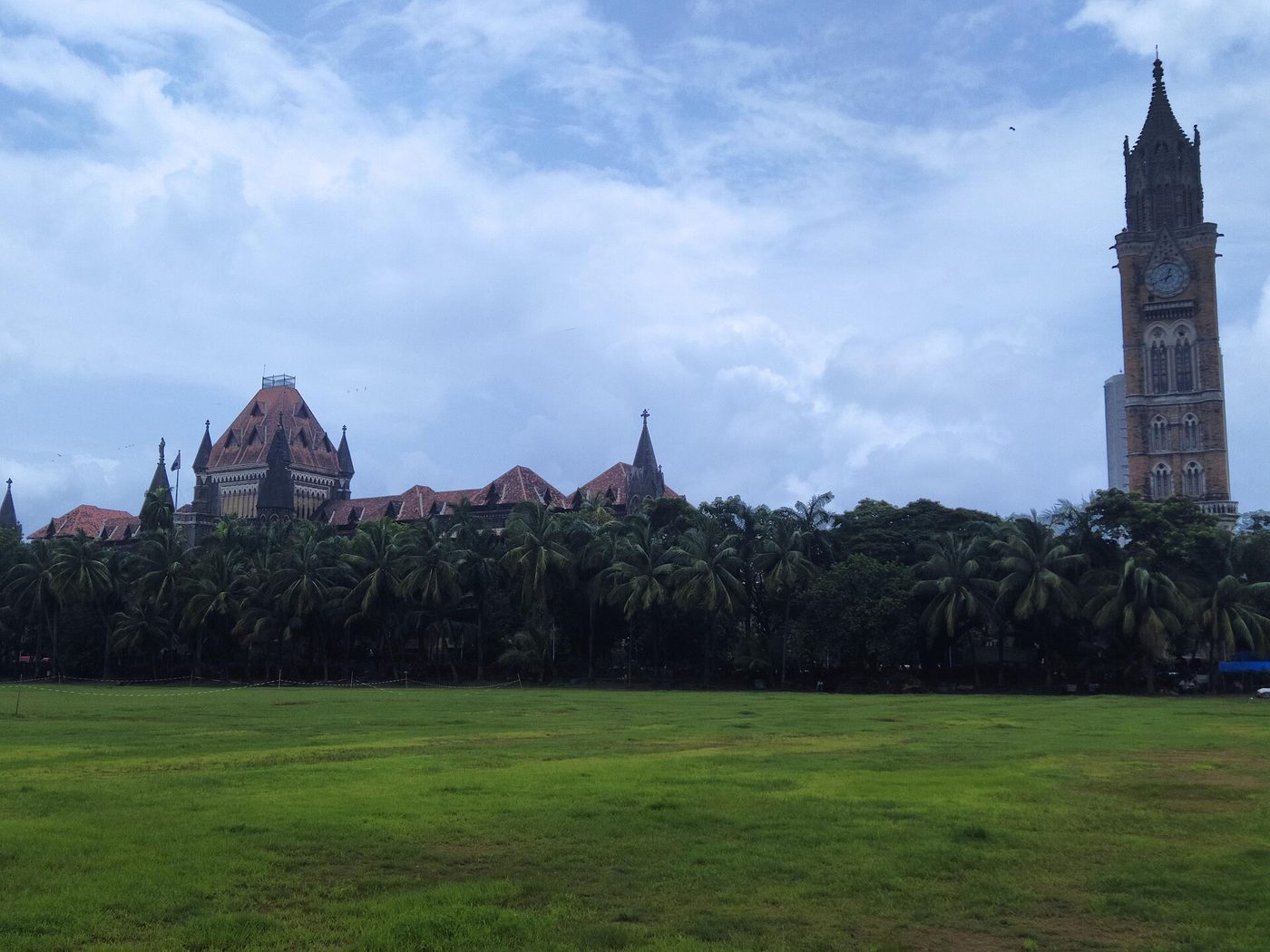
High Court declines to restrain meeting
The single bench heard arguments on November 27 after the two trusts, which together hold a 66 per cent stake in Tata Sons, filed suits on November 26 challenging the reappointment of N Chandrasekaran as executive chairman for a third five-year term. The trusts had sought to defer the board meeting or to restrain Chandrasekaran from exercising a casting vote if the trust-nominated directors were divided. Justice Ahuja declined both requests, directing Tata Sons and the board members to file reply affidavits and listing the matter for further hearing in mid-January 2027.
Trusts question validity of September resolution
The core of the trusts' challenge rests on Article 121 of Tata Sons' Articles of Association, which sets out special voting requirements for nominee directors appointed by the trusts and provides for a casting vote by the chairman in the event of a tie. The trusts argue that when their two nominee directors disagree, there is no affirmative majority and the casting vote cannot be invoked. Tata Sons maintains that the chairman is entitled to exercise the casting vote precisely when the trust nominees are split.
September board meeting triggered dispute
The disagreement crystallised at a board meeting on September 17. Noel Tata, chairman of the Tata Trusts and a nominee director on the Tata Sons board, voted against Chandrasekaran's third term, while the other trust nominee, Venu Srinivasan, voted in favour. The resulting tie was resolved by a casting vote from acting chairman Harish Manwani, with all remaining directors supporting the reappointment. The trusts contend that this procedure violated Article 121, while Tata Sons asserts the casting vote was properly exercised.
Damages claimed alongside injunctive relief
In their suits, the Sir Dorabji Tata Trust has sought damages of ₹50 crore from Tata Sons, and the RD Tata Trust has claimed ₹15 crore together with annual interest at 18 per cent. Tata Sons opposed any postponement of the November 30 meeting, arguing that the agenda — which includes a proposed listing of the holding company — should proceed as planned.
Regulatory mandate adds pressure for listing
The listing proposal is driven by a Reserve Bank of India directive that classified Tata Sons as an upper-layer non-banking financial company, a designation that requires a public offering within a prescribed timeline. Noel Tata has advocated a restructuring of the group's businesses as an alternative to an initial public offering, a position that has deepened the divergence between the trusts and the holding company's management.
Next steps subject to final court order
With the caveats now in place, Tata Sons will be notified of any appeal filed by the trusts in either forum and will have the right to present its arguments before any appellate order is passed. The November 30 board meeting will go ahead, but any resolutions adopted will remain contingent on the eventual outcome of the litigation, which is scheduled to resume in January 2027.
- Caveats ensure Tata Sons can respond before any appellate court acts on a trusts' appeal.
- Board meeting proceeds but resolutions remain subject to litigation outcome.
- Dispute centres on interpretation of Article 121 casting-vote provisions.
- RBI listing mandate and trusts' restructuring preference underlie the broader conflict.
Spotted an error? · Our editorial policy
UP NEXTLocals Protest ASI Move to Shift Ancient Idols from Jageshwar Museum to DelhiOther angles · #Bombay High Court
Timeline →More from Indian Politics
Government proposes 50% increase in Lok Sabha seats, delimitation freeze until 2051 in new constitutional bill
DMK Endorses Centre’s Delimitation Bill, Stalin Hails Victory for Tamil Nadu
DMK Endorses Delimitation Bill After Key Demands Met