Supreme Court Issues Notice on Challenge to Allahabad High Court Hijab Ruling
The Supreme Court has issued a notice on a petition challenging an Allahabad High Court ruling which held that wearing a hijab is not an essential religious practice in Islam, clarifying that the verdict will not serve as a binding precedent.

- Supreme Court issues notice on a petition challenging the Allahabad High Court hijab ruling.
- The top court clarifies that the High Court verdict will not be treated as a binding precedent.
- The matter is tagged with pending appeals from the Karnataka hijab controversy before a larger bench.
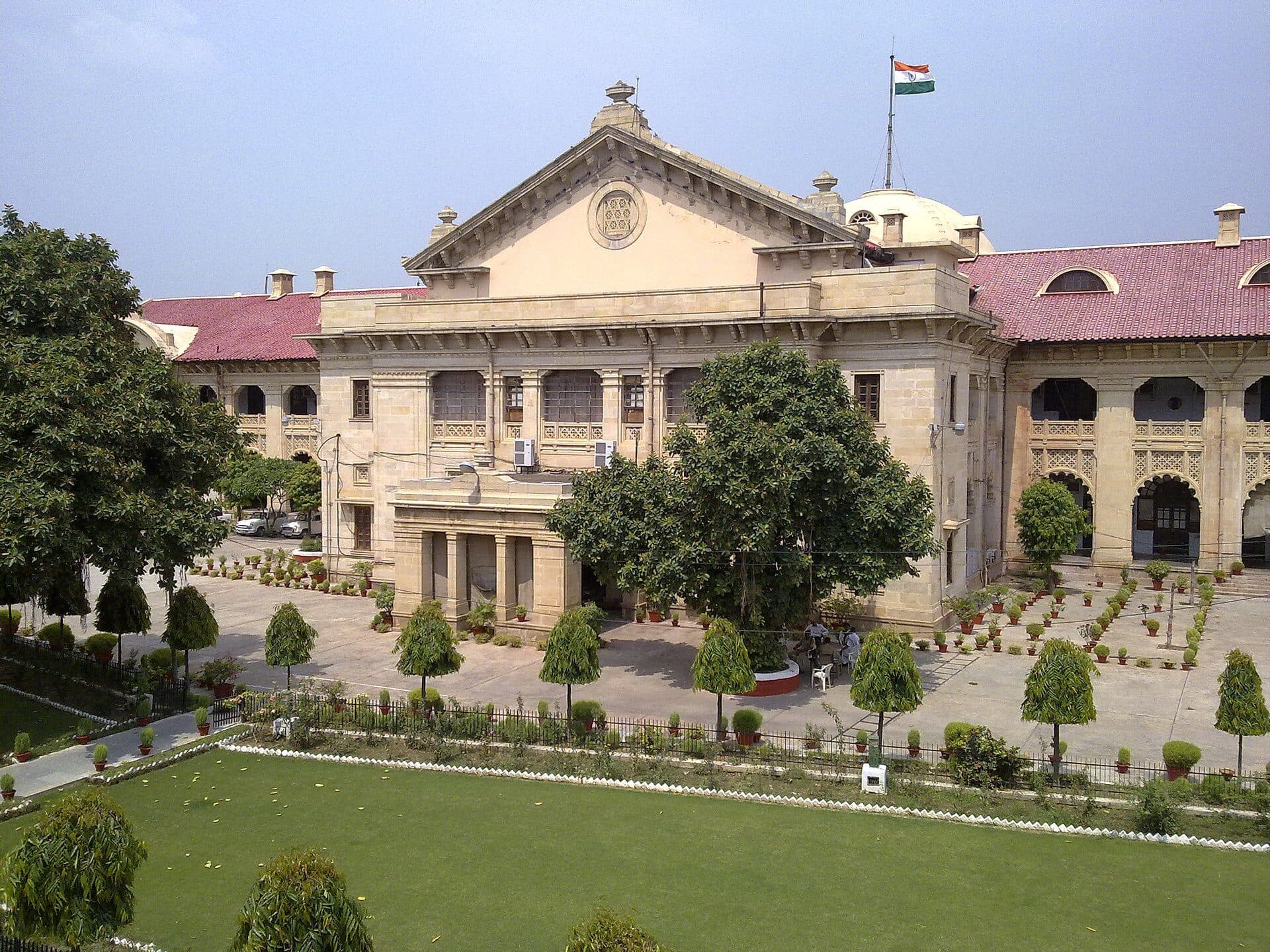
The Supreme Court has sought responses regarding a challenge directed at an Allahabad High Court ruling which determined that wearing a hijab does not constitute an essential religious practice within Islam. During the hearing, the top court specified that the High Court decision would not function as a binding precedent and ordered that the case be tagged alongside ongoing proceedings concerning the Karnataka hijab dispute.
Supreme Court Bench Orders and Proceedings
A bench comprising Justice Aravind Kumar and Justice Vipul Pancholi issued the order on November 20. The bench directed that the matter be listed alongside Civil Appeal No. 7095 of 2022. The petitioner before the apex court is the Muslim Women's Study Circle, an organisation representing Muslim women, which contested the August 21, 2026, judgment delivered by the Allahabad High Court in the case involving Sukaina Rizvi.
Origin of the Dispute and High Court Ruling
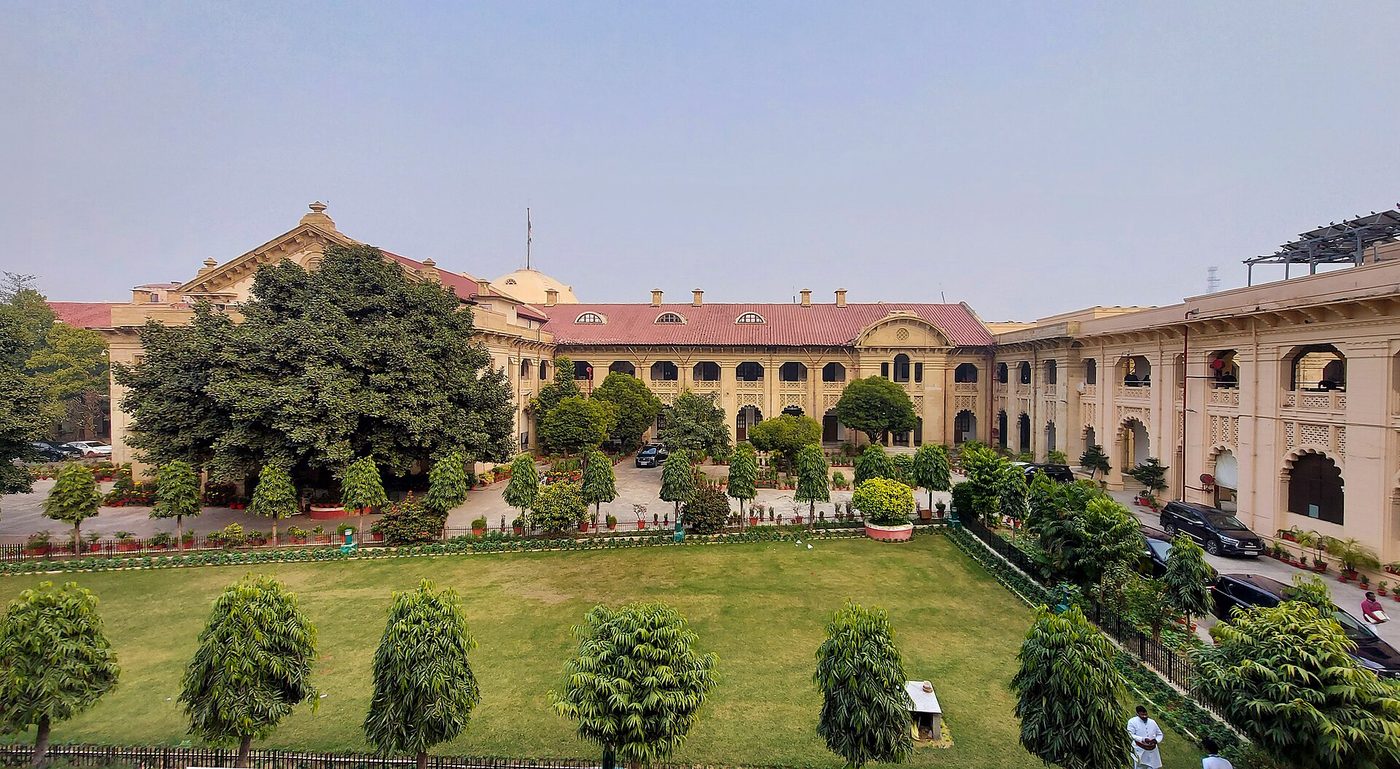
The legal dispute originated when Sukaina Rizvi was denied admission to Class XI at Tagore Public School, located in Attarsuiya, Prayagraj, after she insisted on wearing a headscarf alongside the prescribed school uniform. An Allahabad High Court bench consisting of Justice JJ Munir and Justice Indrajeet Shukla dismissed her plea. The High Court concluded that wearing a hijab does not qualify as an essential religious practice in Islam and ruled that students cannot demand exemptions from genuine, non-discriminatory uniform dress codes aimed at institutional discipline and identity. The High Court had relied on the 2022 Karnataka High Court Full Bench judgment, which supported the authority of educational institutions to prescribe uniforms excluding headscarves.
Arguments Raised in the Supreme Court Petition
The Muslim Women's Study Circle argued that the High Court judgment is arbitrary, discriminatory, and infringes upon Articles 14, 15, 19(1)(a), 21, and 25 of the Constitution. The petitioner contended that the restrictions disproportionately hinder Muslim women's access to education and pointed to alleged unequal treatment regarding religious symbols from other communities, such as Sikh turbans. Furthermore, the petition cited Quranic verses, including Surah Al-Noor and Surah Al-Ahzab, to establish that wearing a hijab is rooted in religious teachings. The petition also questioned the validity of the essential religious practices test itself, noting that its constitutional validity is currently under examination before a nine-judge Constitution Bench in the Sabarimala reference proceedings.
Background of the Karnataka Hijab Controversy
The broader controversy regarding institutional dress codes had previously reached the Supreme Court through appeals challenging a Karnataka High Court order that upheld restrictions on headscarves in educational institutions. In October 2022, the Supreme Court delivered a split verdict when Justice Hemant Gupta voted to dismiss the appeals while Justice Sudhanshu Dhulia voted to allow them. Because of this judicial division, the matter was referred to a larger bench, where those appeals remain pending.
- Supreme Court seeks responses on the Allahabad High Court hijab judgment.
- The court orders that the judgment must not be treated as a precedent.
- The case is linked with pending Karnataka hijab appeals before a larger bench.
- The Supreme Court has sought responses regarding a challenge directed at an Allahabad High Court ruling which determined that wearing a hijab does not constitute an essential religious practice within Islam.
Spotted an error? · Our editorial policy
UP NEXTLionel Messi Reports Seeking to Restrict AFA Commercial Use of His ImageOther angles · #Allahabad High Court
Timeline →- NewsAllahabad High Court Voids BJP MLA Om Kumar’s Nehtaur Election Over Nomination Flaws
- NewsSupreme Court Quashes Allahabad High Court Directive for Probe into Rahul Gandhi’s Assets
- NewsSupreme Court directs petitioner to Allahabad High Court over Saharanpur mosque demolition
- NewsAllahabad High Court Rejects Challenge to 1968 Mathura Land Settlement
More from Indian Politics
Government Plans Three Legislative Measures for Women’s Quota and House Seat Expansion
Government Proposes New Delimitation Legislation to Implement Women’s Reservation
Supriya Sule to Skip INDIA Bloc Meeting Due to Sharad Pawar’s Hospitalisation