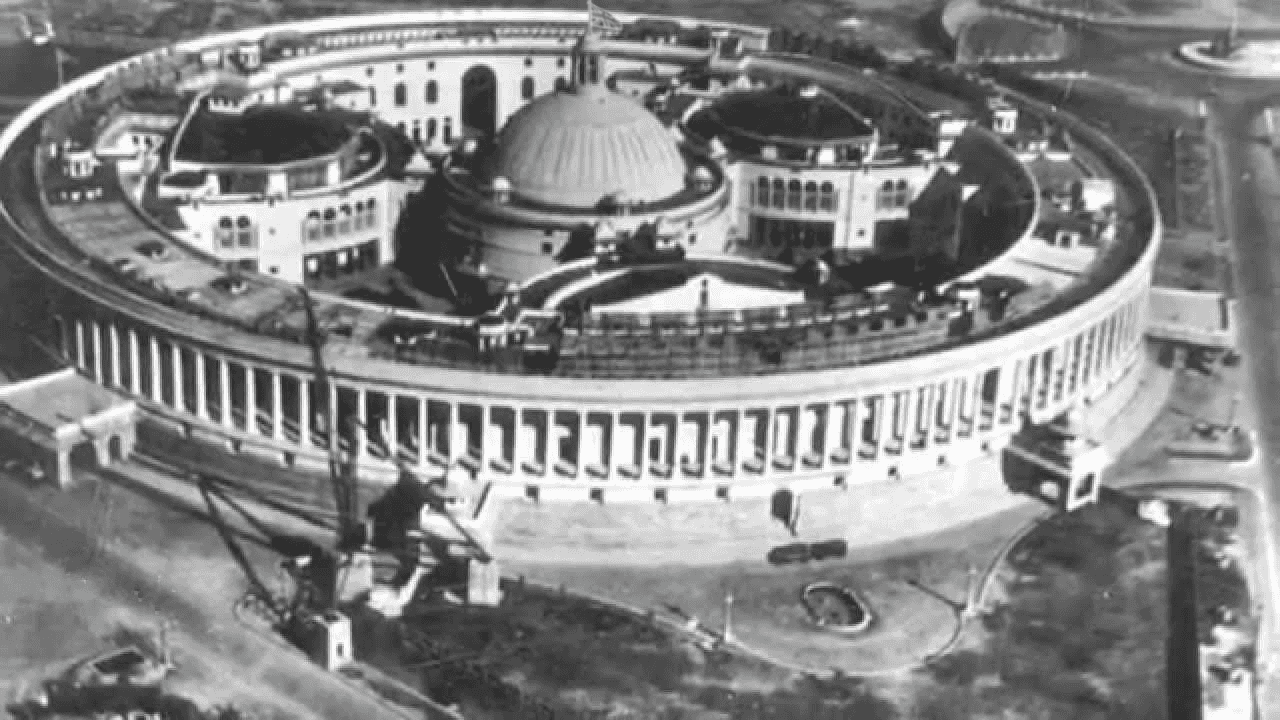
Supreme Court Criticizes ‘Frivolous’ Petitions and Abuse of Article 32
The Supreme Court has warned against the filing of repetitive, non-meritorious petitions that disguise personal or political grievances as public interest litigation.

- The Supreme Court criticized the filing of 'frivolous cases' meant to reopen already decided legal matters.
- Justices B.V. Nagarathna and R. Mahadevan stated that many petitions disguised as Public Interest Litigation are actually for private or political gain.
- The court dismissed a pension-related petition, noting the dispute had already been litigated through the system three times.
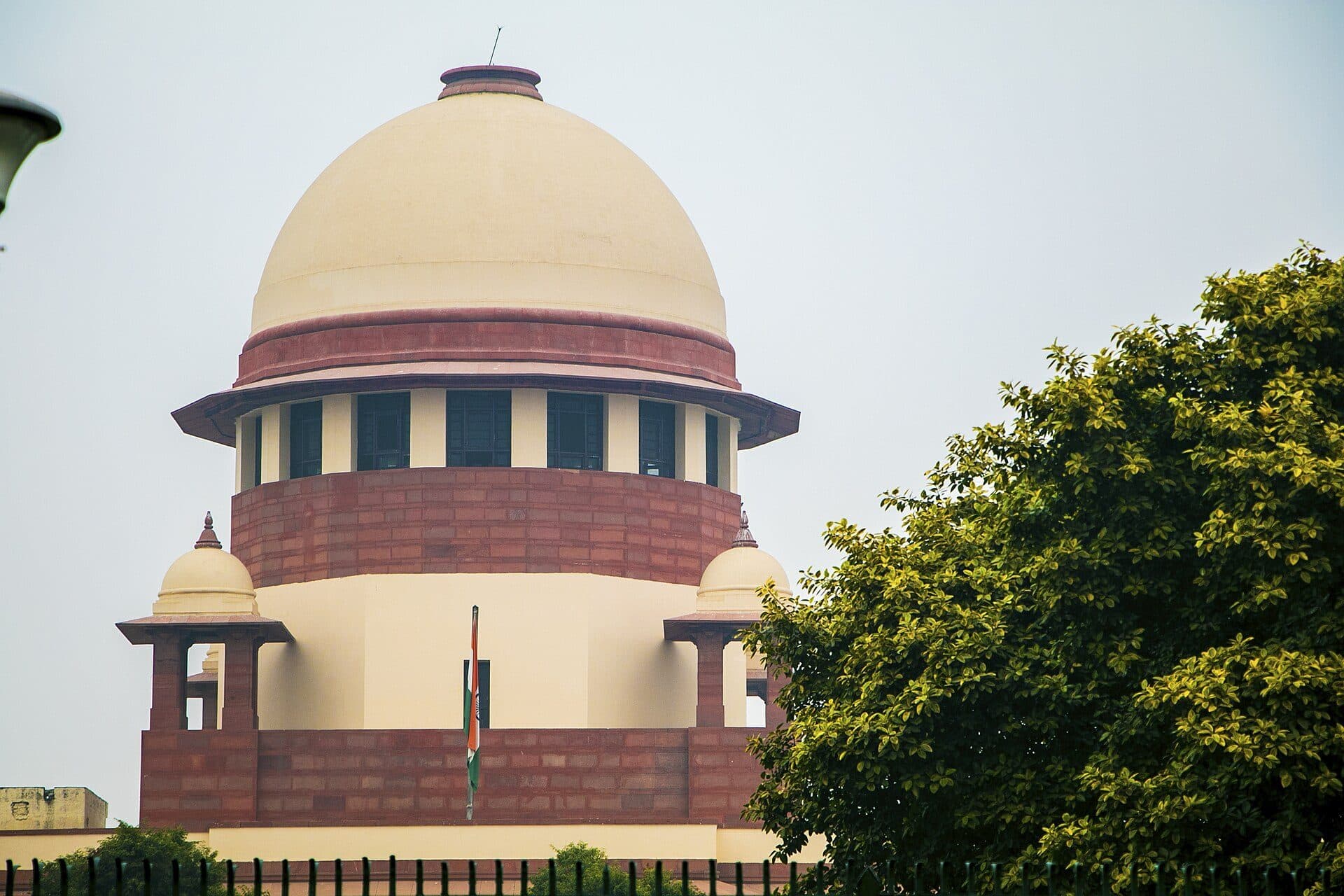
The Supreme Court of India has issued a strong rebuke regarding the rising trend of what it termed "frivolous cases" being filed by "court birds"—a phrase used to describe litigants who repeatedly seek to reopen matters that have already reached judicial finality. A bench consisting of Justices B.V. Nagarathna and R. Mahadevan emphasized that the rule of law relies fundamentally on the idea that legal proceedings must eventually conclude. The court warned that without such finality, every resolved case risks becoming the foundation for endless future litigation, thereby burdening the judiciary.
Misuse of Article 32 and PILs
The bench observed that many petitions brought before the court under Article 32 of the Constitution are being presented as Public Interest Litigation (PIL) despite lacking any genuine public merit. According to the justices, these filings often function as "Private Interest Litigation," "Publicity Interest Litigation," or "Political Interest Litigation" rather than efforts to protect the public good. The court asserted that such filings should be firmly condemned and, where appropriate, discouraged through the imposition of costs to prevent the abuse of judicial resources.
Furthermore, the court highlighted that Article 32, described by B.R. Ambedkar as the "heart and soul" of the Constitution for the enforcement of fundamental rights, is increasingly being invoked for inappropriate purposes. This includes attempts to reopen closed matters or to request urgent hearings for cases currently pending in high courts. The justices expressed particular concern over the tendency of litigants to challenge high court adjournment orders through special leave petitions or Article 32 filings, noting that these actions undermine the intended scope of the constitutional provision.
Case Dismissal and Judicial Hierarchy
The remarks were made while the court dismissed a writ petition filed by a nonagenarian retired teacher who sought a re-computation of pension benefits. The bench noted that the specific issue had already been settled by the Patna High Court and had traversed the judicial hierarchy multiple times. The justices stated that the petitioner was attempting to "gamble" to unsettle a controversy that had already been resolved, emphasizing that the attempt to recast a grievance to avoid the reality of a settled judgment will not be tolerated.
In its closing assessment, the bench reiterated that the power of the Supreme Court to issue writs such as Habeas Corpus, Mandamus, Prohibition, Certiorari, and Quo-Warranto is strictly for the protection of fundamental rights under Part III of the Constitution. The court cautioned that the sanctity of Article 32 must be preserved and that the current trend of casual usage for non-constitutional matters contributes significantly to the growing backlog of cases. Moving forward, the court indicated a clear stance against allowing the finality of judicial proceedings to be compromised by persistent, repetitive litigation.
- Judicial finality is essential for the rule of law.
- Article 32 is being misused for cases that do not involve fundamental rights.
- The court will use cost impositions to discourage 'court birds' who file repetitive, frivolous lawsuits.
- The Supreme Court of India has issued a strong rebuke regarding the rising trend of what it termed "frivolous cases" being filed by "court birds"—a phrase used to describe litigants who repeatedly seek to reopen matters that have already reached judicial finality.
Spotted an error? · Our editorial policy
UP NEXTRahul Gandhi Opposes Proposal to Expand Lok Sabha to 850 SeatsSwipe more stories · IndiaQuick cards, a few lines each. Tap to open.More from India
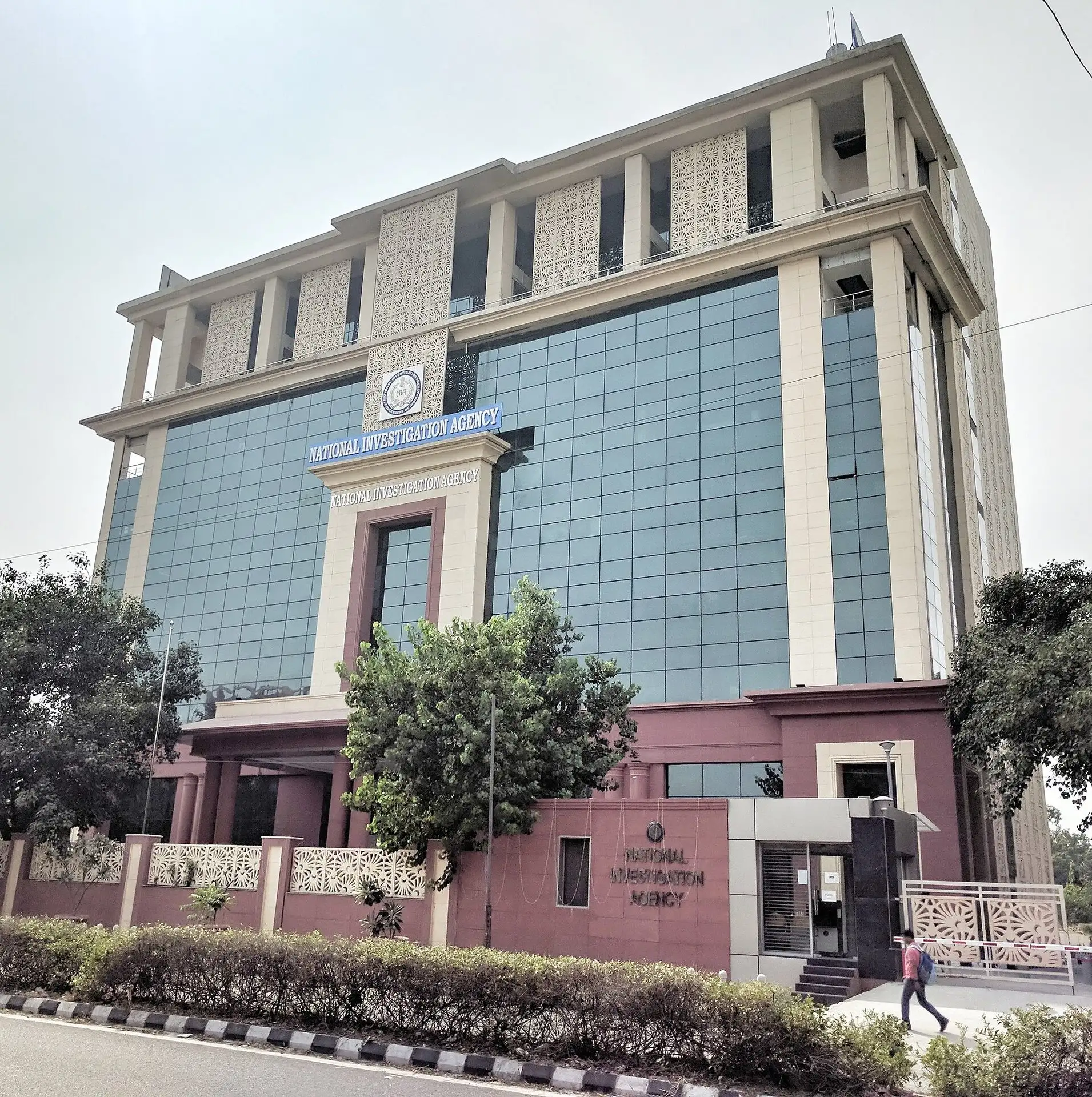
National Investigation Agency Opens Probe into Myanmar-Based Groups Over Manipur Terror Links
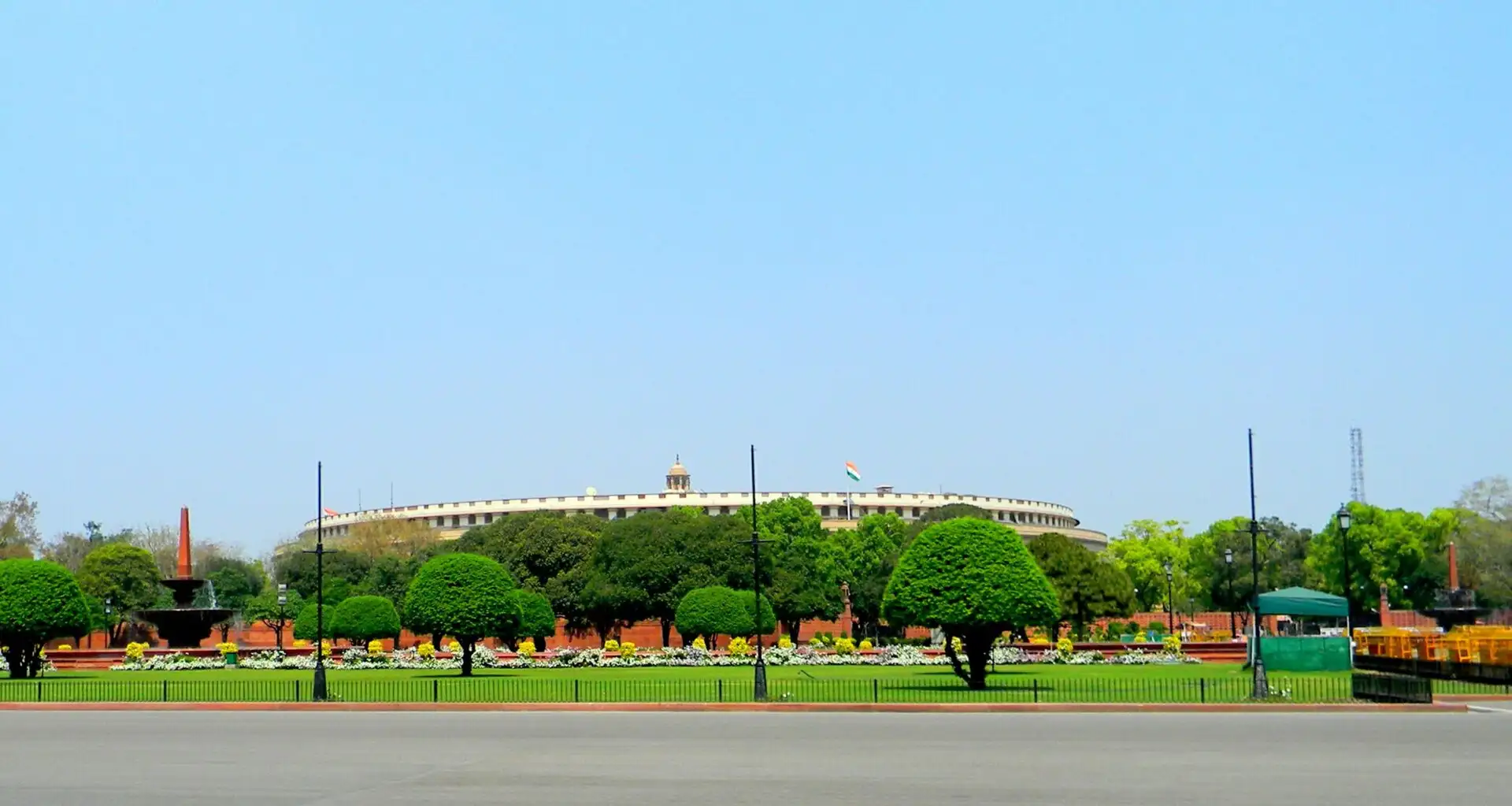
Government Introduces Revised Delimitation and Union Territory Bills in Lok Sabha
Cultural figures release declaration to protect constitutional values