Karnataka Governor Sudha Yadav Calls Corporate Social Responsibility an Investment in India’s Future
Karnataka Governor Sudha Yadav emphasized that corporate social responsibility must be treated as an investment in society rather than a mere legal duty during the BCIC CSR Conclave-2026 in Bengaluru.

- Karnataka Governor Sudha Yadav spoke at the BCIC CSR Conclave-2026 in Bengaluru during the chamber's Golden Jubilee celebrations.
- She stated that CSR should be viewed as an investment in society and a developed India rather than just a legal obligation.
- She highlighted challenges including uneven fund distribution, limited MSME participation, and poor long-term project assessment.
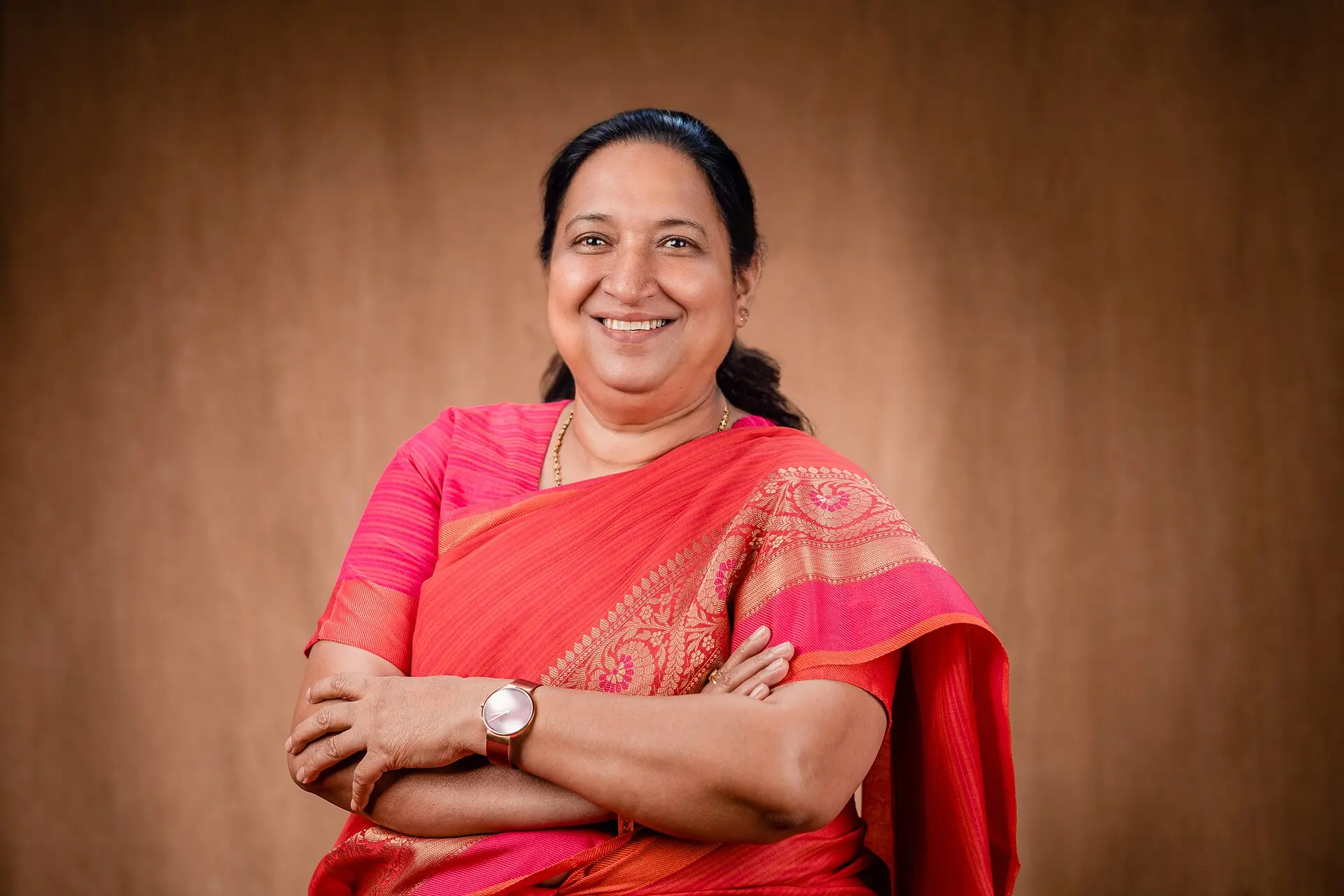
Karnataka Governor Sudha Yadav stated on Friday that corporate social responsibility ought to be considered an investment in the future of society and the construction of a developed nation, rather than just a legal compliance requirement. Speaking in Bengaluru at the BCIC CSR Conclave-2026, held as part of the Bangalore Chamber of Industry and Commerce Golden Jubilee celebrations, she urged businesses to foster an attitude of returning wealth to the public.
Aligning Purpose with Business Objectives
According to an official statement released by Lok Bhavan, Yadav cited industrialist J R D Tata to emphasize that the core principle of corporate responsibility involves giving back to society manifold what commercial entities receive. She remarked that while profit acts as the fuel for an enterprise, purpose serves as its guiding compass, highlighting the necessity of weaving social responsibility directly into commercial goals to foster sustainable social development.
Addressing Implementation Challenges
While acknowledging India's notable progress in corporate social responsibility, the governor drew attention to several hurdles, including uneven fund distribution, restricted involvement from micro, small, and medium enterprises, and insufficient evaluation of long-term project impacts. She noted that while corporations have launched commendable programs in areas such as women's empowerment, healthcare, education, school infrastructure, and tree planting, many initiatives face sustainability issues, citing how planted saplings frequently perish due to poor upkeep.
Targeting Backward Regions and Tribal Welfare
Yadav underscored that numerous areas still lack essential infrastructure and proper development prospects, noting that higher priority should be directed toward advancing the living standards, education, and social progress of tribal populations. She encouraged enterprises to look past their immediate operational vicinities and aid remote, backward areas within the state through collaborative development programs instead of executing isolated projects independently.
Outcome-Oriented Frameworks
Proposing a strategic shift, the governor suggested that companies adopt specific territories, evaluate local needs, establish definite development targets, and roll out phased initiatives. She concluded that continuous tracking of project baselines, progress markers, and beneficiary reach is vital to guarantee tangible outcomes and realize the true objective of building an equitable nation for future generations.
- CSR is framed as a societal investment rather than a mere legal mandate.
- Key challenges include uneven fund allocation and limited MSME participation.
- Governors urged corporations to adopt regions and focus on tribal welfare and rural infrastructure.
- Karnataka Governor Sudha Yadav stated on Friday that corporate social responsibility ought to be considered an investment in the future of society and the construction of a developed nation, rather than just a legal compliance requirement.
Spotted an error? · Our editorial policy
UP NEXTLionel Messi Reports Seeking to Restrict AFA Commercial Use of His ImageSwipe more stories · IndiaQuick cards, a few lines each. Tap to open.More from India
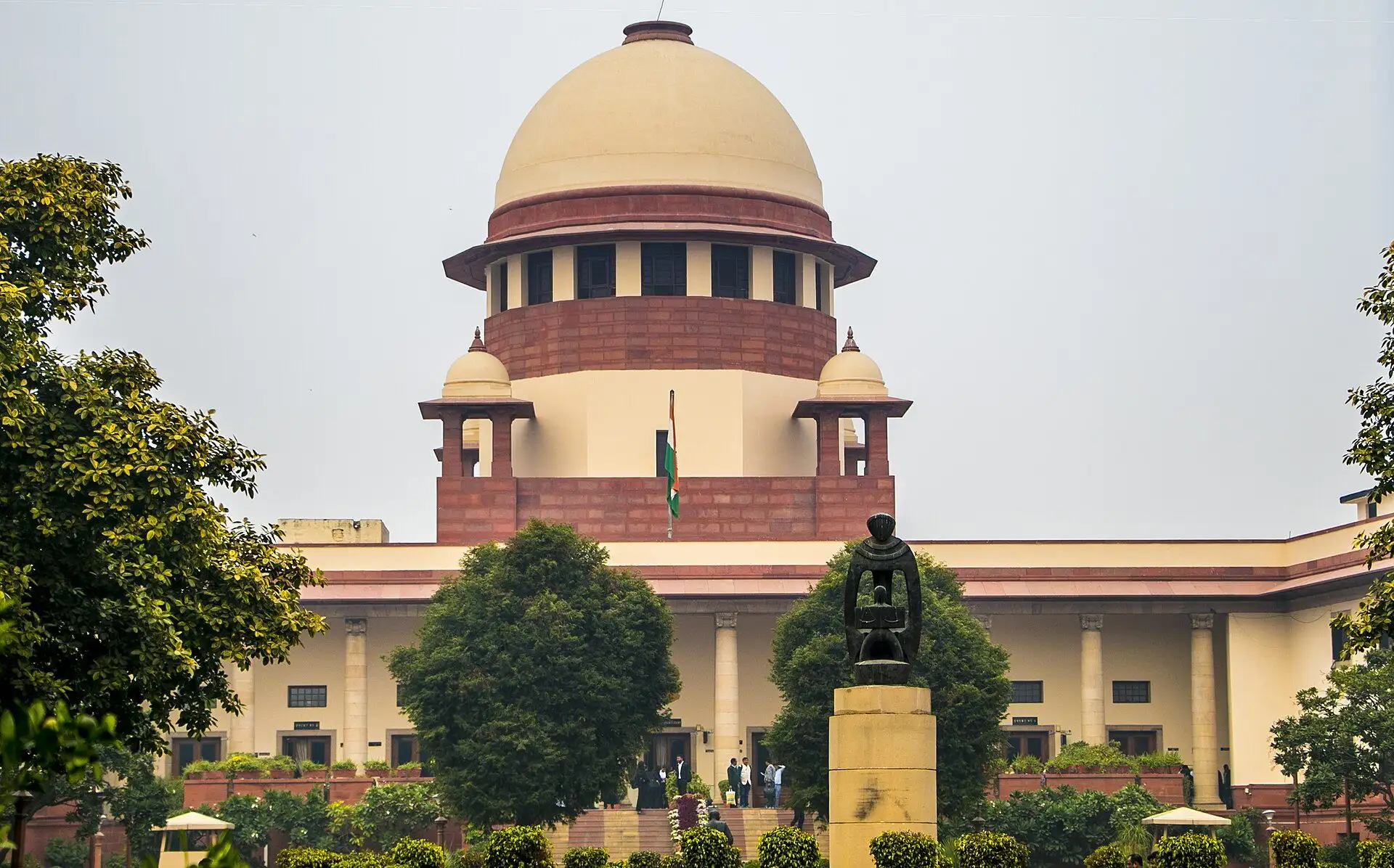
Supreme Court Issues Contempt Notices Over Madurai Temple Lamp Dispute
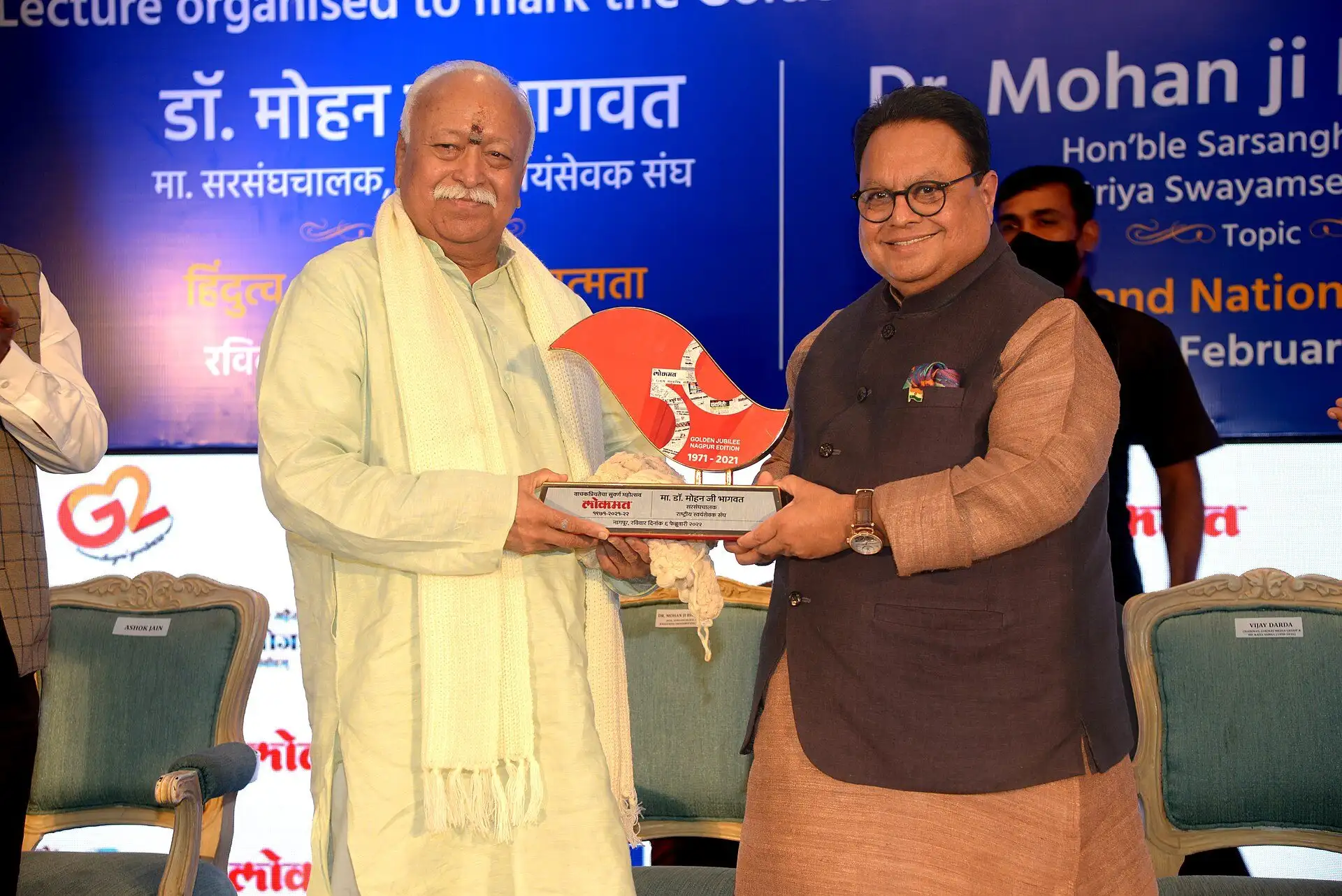
RSS Chief Mohan Bhagwat Says Lack of Compassion Drives Global and National Crises
Supreme Court Asks Centre to Consider Mother-Based Caste Certificates in Specific Cases