Historic SS United States Sunk in Gulf of Mexico to Become World’s Largest Artificial Reef
The legendary ocean liner SS United States has been intentionally submerged off the Florida coast to create the world’s largest artificial reef.

- The SS United States was intentionally sunk on November 11 in the Gulf of Mexico.
- The 990-foot vessel was transformed into the world's largest artificial reef.
- Weather forecasts forced county officials to move the planned sinking forward by one day.
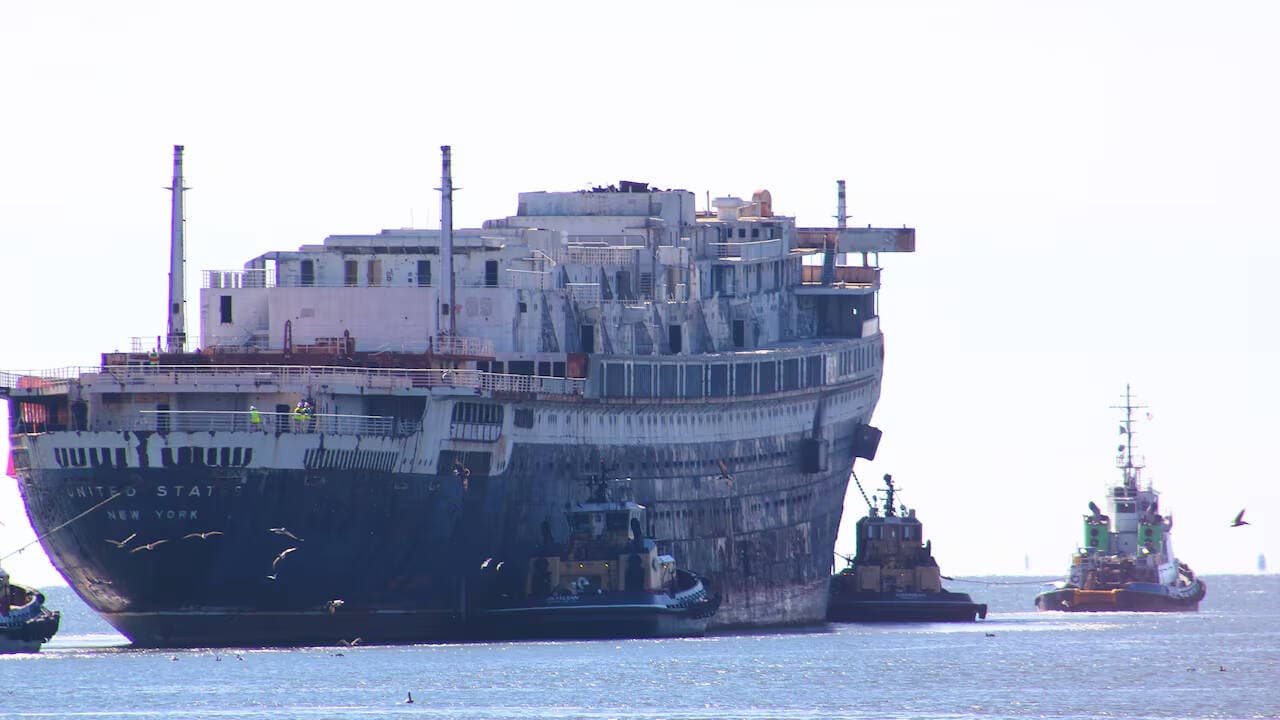
The historic ocean liner SS United States met its final destination on Wednesday, November 11, when it was deliberately submerged in the Gulf of Mexico. Originally built in 1951, the 990-foot-long vessel once held the record for the fastest transatlantic crossing during its 1952 maiden voyage, a title it maintains today. Over its active decades of service, the ship ferried numerous dignitaries, Hollywood stars, presidents, and even transported the Mona Lisa in 1963.
Preparation and Weather-Induced Schedule Change
Following its retirement in 1969 and years of storage in Philadelphia, the vessel was eventually acquired by Okaloosa County to be transformed into a tourist attraction and marine habitat. Before the final journey, the ship was towed to Mobile, Alabama, where work crews spent roughly a year and a half stripping away hazardous materials, bilge liquids, fuel, wiring, and its original seawater intake systems. While the controlled sinking was initially scheduled for November 12, forecasts predicting unsafe weather and heavy winds forced officials to advance the operation by a day.
The Sinking Process and Marine Impact
Work crews began submerging the vessel at 2:40 pm Eastern time, utilizing 10-foot by 10-foot holes cut into the decks to ensure proper flooding until it rested at a depth of 180 feet. Captain Tim Mullane of Coleen Marine described the deployment as an honor to give the fine vessel a second life supporting marine fauna and diving. Resting with its top decks about 55 feet below the surface, the ship joins hundreds of nearby artificial reefs and is expected by marine scientists to quickly foster a thriving ecosystem of fish, algae, and bacteria.
- The ocean liner held the transatlantic speed record since 1952.
- The ship was prepped in Alabama before being towed to its final resting place off Florida.
- Marine scientists expect fish and algae to quickly populate the new underwater habitat.
Spotted an error? · Our editorial policy
UP NEXTNetanyahu’s Office Rejects Claims of Tense Phone Call With Trump Over Iran Strategy