Delhi and National Capital Region Air Quality Plunges Into ‘Very Poor’ Category
Delhi and surrounding regions experienced persistent ‘very poor’ air quality on Thursday morning, with multiple monitoring stations crossing into the ‘severe’ pollution bracket.

- Delhi recorded an average AQI ranging between 314 and 323 on Thursday morning, remaining in the 'very poor' category.
- Panchgaon in Haryana recorded the highest overall AQI at 390.
- Stage 3 of the Graded Response Action Plan remained active, restricting certain vehicles and construction activities.
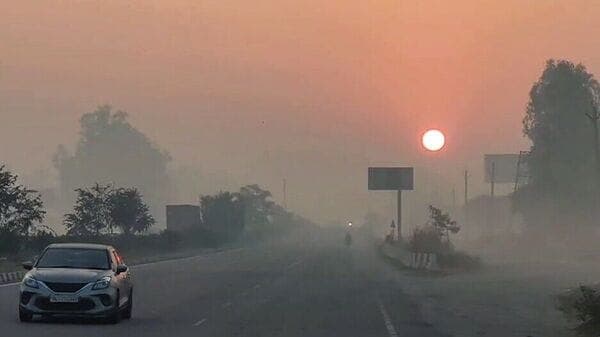
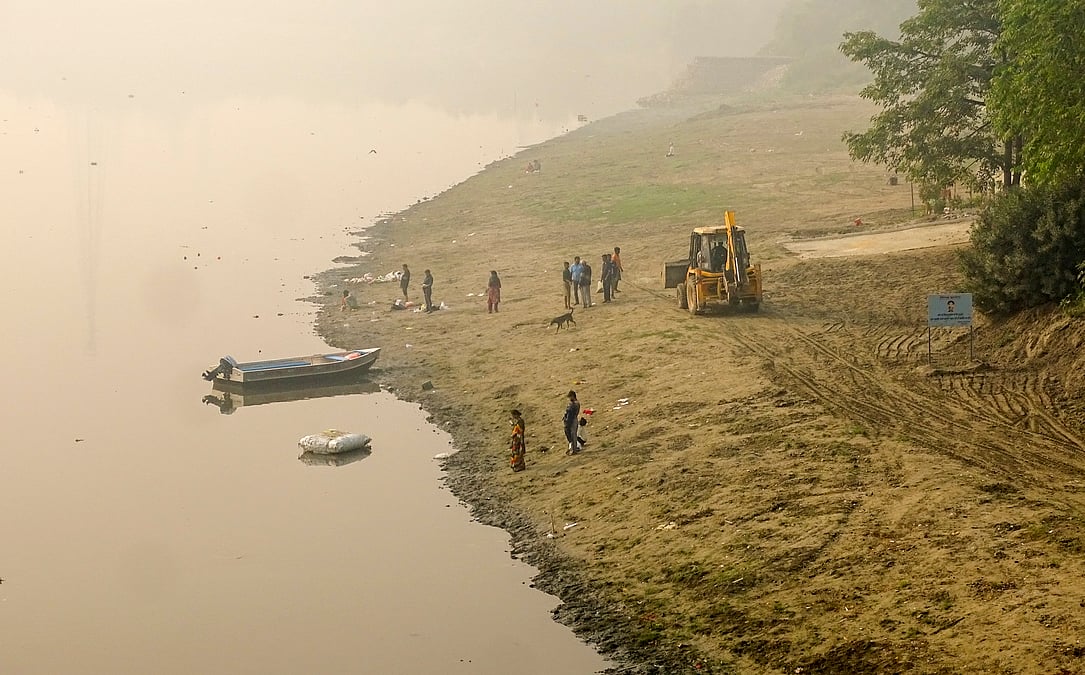
Air quality across Delhi and the surrounding National Capital Region remained in the 'very poor' category on Thursday morning. Central Pollution Control Board figures showed average air quality index readings fluctuating between 314 and 323, while several individual monitoring stations registered readings exceeding 400 in the 'severe' category.
Spike Across Regional Monitoring Stations
Panchgaon in Haryana registered the highest overall pollution level with an AQI of 390. Other severely affected locations included Charkhi Dadri at 362, Panipat at 357, Bahadurgarh at 354, and Bhiwadi at 350. Within the capital, stations at the Indian Institute of Technology Delhi reported readings reaching between 412 and 416, while NSUT Jaffarpur and ITO recorded elevated indices near 399.
Contributing Factors and Restrictions
Data from the Decision Support System indicated that vehicular emissions and transport were primary contributors to the capital's pollution. Stubble burning incidents were also recorded across neighboring states, while data showed farm-fire detections spanning multiple regions. In response to the worsening conditions, emergency measures under Stage 3 of the Graded Response Action Plan remained active, enforcing bans on certain older diesel and petrol commercial vehicles alongside restrictions on dust-generating construction activities.
Political Reactions
The hazardous conditions sparked a political confrontation between regional leaders. Delhi Bharatiya Janata Party minister Kapil Mishra and MP Praveen Khandelwal accused the administration in Punjab of exacerbating the crisis through stubble burning and alleged deliberate inaction, while Aam Aadmi Party leader Saurabh Bharadwaj rejected the accusations, questioning the transit timeline of smoke from Punjab and challenging monitoring data reliability.
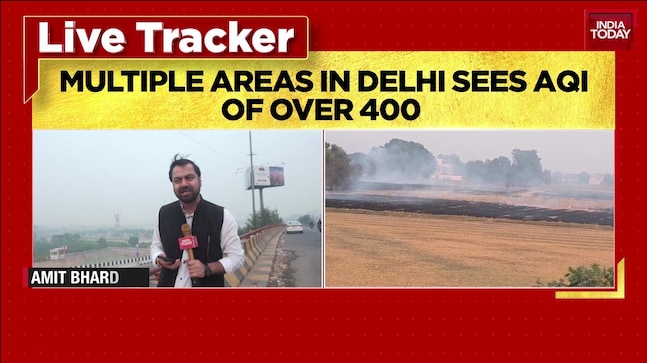
- Multiple monitoring stations in Delhi and Haryana crossed into severe AQI levels above 400.
- Transport emissions and farm fires contributed to the high concentration of PM2.5 pollutants.
- Political leaders exchanged allegations over stubble burning and pollution management.
Spotted an error? · Our editorial policy
UP NEXTNetanyahu’s Office Rejects Claims of Tense Phone Call With Trump Over Iran Strategy