Delhi Schools Resume Physical Classes Following Withdrawal of GRAP Stage-III Restrictions
Educational institutions across the national capital are returning to conventional classroom teaching after authorities rolled back strict anti-pollution measures following an improvement in air quality.

- Delhi schools resume physical classes after CAQM revokes GRAP-3 restrictions
- Daily average AQI improved to 204, bringing the city out of the severe pollution category
- GRAP Stage-I and Stage-II measures, alongside October 30 construction and office rules, remain in force
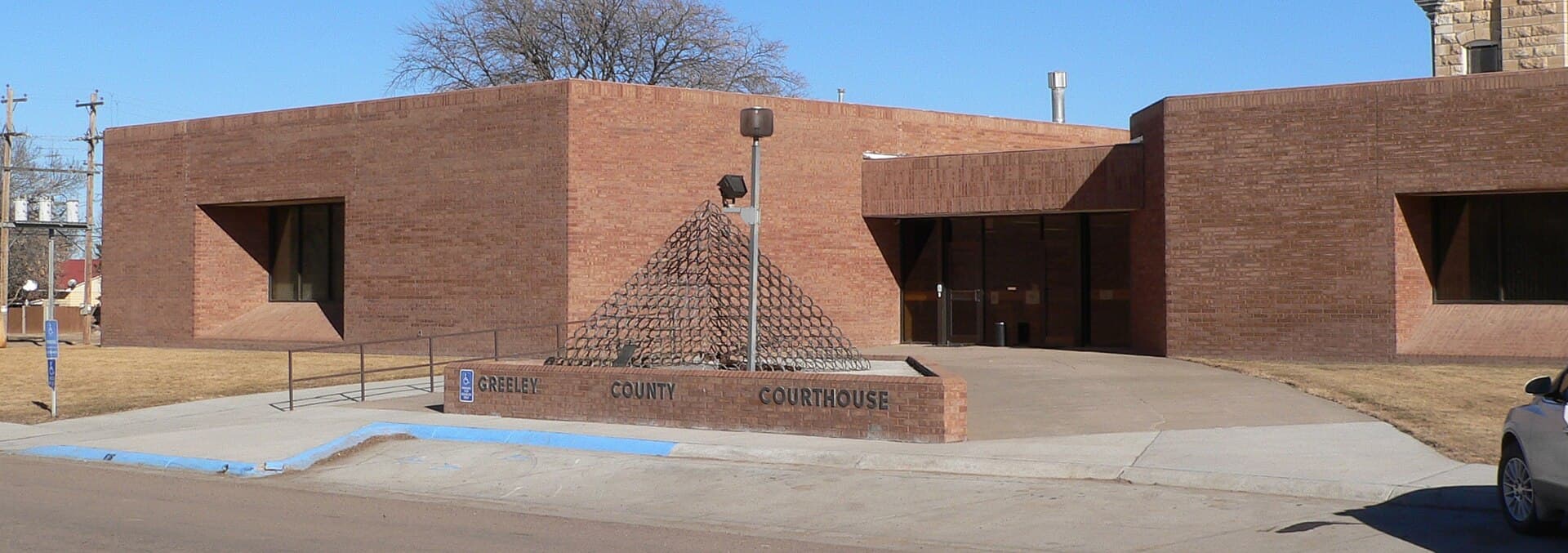
Educational institutions across the national capital region have been instructed to restart regular physical classes for all grade levels with immediate effect. The directive follows an administrative decision by the Commission for Air Quality Management to lift the stringent measures previously enforced under Stage-III of the Graded Response Action Plan. School administrators received formal instructions from the Directorate of Education to dismantle online and hybrid learning setups and restore conventional campus attendance.
Air Quality Index Improvement Promotes Policy Shift
The regulatory adjustments announced on November 17, 2026, came after the daily average air quality index for the city settled at 204. This numerical shift moved the local atmospheric conditions out of the severe classification tier that had prompted emergency interventions earlier in the month. Stage-III restrictions were initially activated on November 6, 2026, as hazardous pollution levels affected health and visibility throughout the metropolitan area. With the reading dropping to 204, pollution monitoring authorities determined that the continuation of the most severe category of curbs was no longer justified.
Scope of the Directorate of Education Directive
The administrative circular applies comprehensively to diverse educational networks operating within the territory. Government-run institutions, government-aided facilities, recognised private schools, and academies managed by the Municipal Corporation of Delhi, the New Delhi Municipal Council, and the Cantonment Board are all bound by the instructions. School principals and headmasters were specifically instructed to notify families, pupils, and teaching personnel immediately regarding the restoration of regular schedules. Attendance policies and daily reporting times are being communicated through institutional channels to ensure a smooth transition back to campus.
Continuation of Lower-Stage Pollution Safeguards
Despite the relaxation allowing campus learning to resume, regional authorities emphasised that environmental protections have not been entirely abandoned. The oversight body indicated that atmospheric conditions are projected to hover within the poor to very poor categories in upcoming days. Consequently, regulations associated with Stage-I and Stage-II of the response framework remain fully active across the metropolitan zone. These ongoing measures encompass intensified mechanical road sweeping, widespread water sprinkling at construction sites and thoroughfares, and rigorous roadside enforcement checks directed at high-emission transport vehicles.
Additional Directives and Construction Restrictions
Complementing the retained framework tiers, specific governance mandates issued on October 30, 2026, remain legally binding until November 20, 2026. These separate orders place strict limitations on dust-generating demolition and construction activities across the territory. Furthermore, government and private offices continue to operate under a mandate restricting physical workforce presence to a maximum of 50 percent, with the remaining personnel utilizing work-from-home arrangements where applicable. These concurrent limitations illustrate that the withdrawal of Stage-III protocols represents a measured operational calibration rather than a total suspension of pollution control enforcement.
Implications for Students and Staff
The return to physical classrooms ends weeks of reliance on remote educational delivery formats for local youth. However, educational leaders and public health monitors advise families to remain vigilant against early-morning pollution surges. Pupils and staff are encouraged to adopt public transit options and carpooling practices to mitigate local vehicular exhaust contributions. School administrations maintain a mandate to monitor ongoing environmental updates closely and remain prepared for any supplementary directives issued by competent municipal and environmental authorities as winter weather patterns continue to influence regional air circulation.
- Physical classes have resumed across government, municipal, and private schools in Delhi-NCR
- The air quality index reading improved to 204, allowing authorities to lift GRAP Stage-III curbs
- Lower-stage pollution controls and specific construction limits remain active through late November
Spotted an error? · Our editorial policy
UP NEXTIndia Takes Commanding 118-Run Lead Against New Zealand on Day 3 of First TestOther angles · #air pollution
Timeline →- NewsDelhi’s Air Quality Hits ‘Poor’ at 279 With Several Areas Entering ‘Very Poor’ Zone
- NewsDelhi Air Quality Nears Very Poor Bracket as Calm Surface Winds Trap Pollutants
- NewsCitizens’ Delegation Visits Environment Ministry Office to Demand Air Pollution Action
- NewsDelhi Air Quality Remains Very Poor as Multiple Stations Record Severe Pollution and Fog Settles In
More from Education
Takshashila University Confers Honorary Doctorates on K.S. Chithra and S. Ramakrishnan at Second Convocation
Vikrant University Hosts INDUX 5.0 International Hackathon Focusing on Real-World AI Solutions
NIOS Announces Registration Schedule for March-April 2027 Public Exams