US, China and Russia Leaders Plan Unprecedented Trilateral Summit at APEC
The leaders of the United States, China, and Russia plan to hold a joint meeting on November 19, 2026, on the sidelines of the APEC summit in Shenzhen.

- The leaders of the US, China, and Russia plan to meet on November 19, 2026, in Shenzhen during the APEC summit.
- White House confirmation on November 13, 2026, highlighted nuclear arms control and regional conflicts as central topics.
- Experts and analysts maintain low expectations for major breakthroughs, viewing the gathering as largely symbolic.
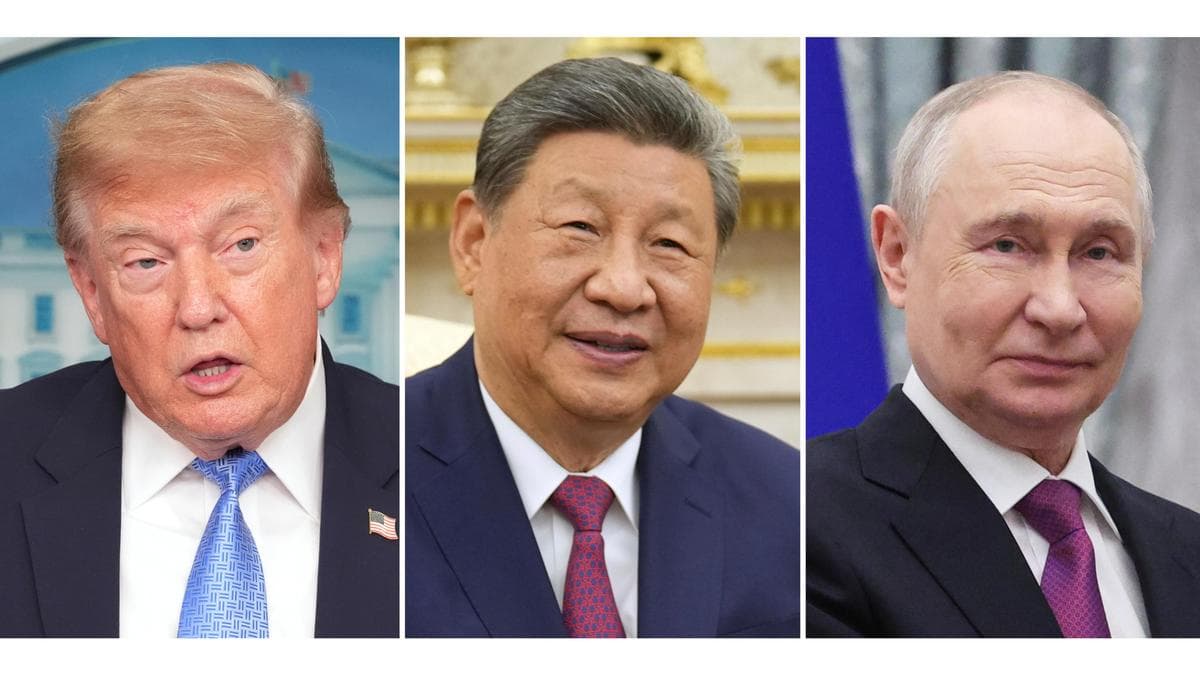
Leaders from the United States, China, and Russia have scheduled an unprecedented three-way meeting for November 19, 2026. The gathering is set to take place on the sidelines of the upcoming Asia-Pacific Economic Cooperation summit hosted in Shenzhen, China. White House confirmation of the summit arrived on Friday, November 13, 2026, marking the first time the heads of these three major nuclear-armed nations will convene in such a format.
Global Context and Nuclear Arms Control
President Donald Trump has pursued relationships with both Chinese President Xi Jinping and Russian President Vladimir Putin despite ongoing international conflicts. The U.S. leader has stated that the trilateral meeting will address the ongoing U.S. war with Iran and his objective to secure a three-way agreement concerning nuclear arms stockpiles. The last bilateral nuclear pact between the United States and Russia, known as New START, expired in February.
Following the expiration of New START, President Trump declined a Russian proposal to extend the two-country treaty for another year. Instead, he advocated for a modernized agreement that would also incorporate China. Pentagon estimates indicate that Beijing possesses a stockpile of more than 600 warheads, which is significantly smaller than the inventories held by Washington and Moscow, each estimated to exceed 5,000 warheads.
Motivations and Regional Reactions
Analysts note that expectations for major policy breakthroughs remain low, with the gathering expected to carry more symbolic weight than substance. By hosting the summit, President Xi may view the event as an opportunity to project China's expanding international prestige and clout. Meanwhile, the Kremlin gains a platform to posture as a superpower on equal footing with the United States and China.
Ukrainian President Volodymyr Zelenskyy has voiced apprehension that the trilateral discussions could lead to negotiations regarding Ukraine occurring without Kyiv's direct participation. Observers have compared the planning for the summit to the 1945 Yalta Conference. Furthermore, experts suggest the meeting could complicate Beijing's diplomatic positioning, potentially conflicting with its stated support for multilateralism and its criticism of Western foreign policies.
Bilateral Relations and Trade Dynamics
The upcoming summit unfolds against a backdrop of complex diplomatic and economic ties. China has established itself as Russia's primary trading partner, increasing energy purchases and supplying critical technological components for Russian industrial sectors after troops entered Ukraine in 2022. Prior to the conflict, Beijing and Moscow declared a partnership characterized as a friendship with no limits.
President Trump and President Putin have conducted seven face-to-face meetings previously, with their most recent encounter occurring in August 2025 in Alaska. Similarly, President Trump and President Xi have held face-to-face discussions on eight occasions, including a state visit to Washington in September. President Putin and President Xi have maintained a frequent dialogue, meeting more than 40 times since 2013.
Energy Policies and International Stances
Recent diplomatic maneuvers include President Trump reaching a diesel agreement with Russia that involved waiving sanctions to permit the sale of millions of tons of fuel. While the U.S. administration attributed rising energy costs to Ukrainian strikes on Russian oil refineries, independent analysts point to the war in Iran as the primary driver of global crude price increases. Meanwhile, Moscow has consistently supported Beijing's policy positions regarding Taiwan.
The APEC summit itself brings 21 economies to Shenzhen, highlighting the city's rapid evolution into a global technology and economic center. While Kremlin spokesman Dmitry Peskov commented on the arrangements, the White House confirmed that the discussions will span nuclear arms control alongside regional conflicts involving Iran and North Korea, setting a unique precedent for great-power diplomacy.
- The trilateral meeting follows the expiration of the New START nuclear treaty.
- Ukraine has expressed concern over potential discussions regarding the region held without Kyiv present.
- China and Russia maintain close economic and diplomatic ties despite Western sanctions.
Spotted an error? · Our editorial policy
UP NEXTSanjay Kapoor Stars in ‘Unexpected – Safed Sach’ Based on 2024 Dehradun CaseOther angles · #APEC summit
Timeline →- NewsDonald Trump Defends Summit With Xi and Putin Following Domestic Criticism
- NewsRahul Gandhi Criticizes PM Modi Over ‘G3’ Trilateral Meeting; BJP Fires Back
- NewsTrump, Xi and Putin Convene in Shenzhen for Trilateral Talks on Security and Energy
- NewsLeaders Convene in Shenzhen for Historic Trilateral Summit Amid Protocol Debates