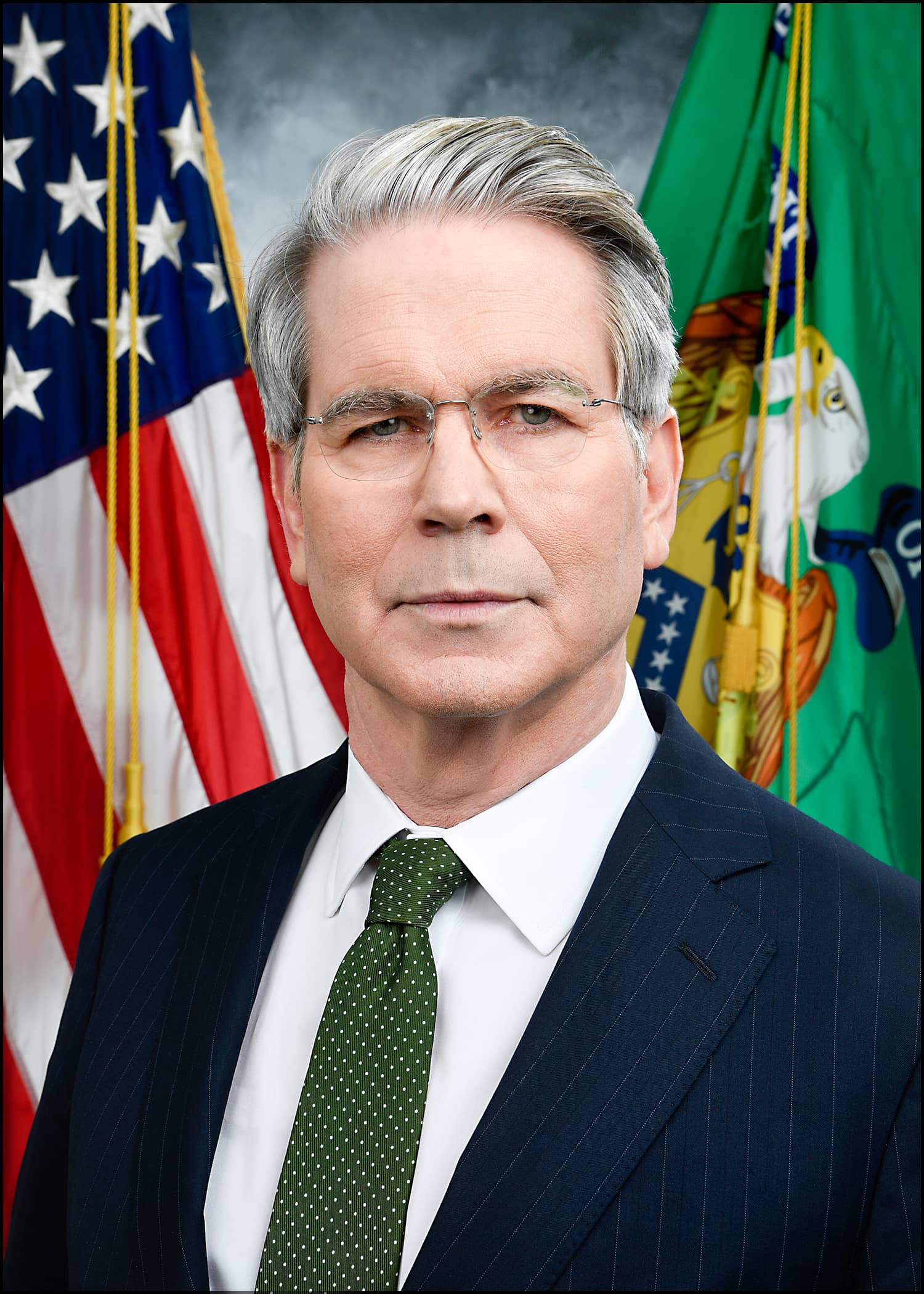
Trump, Xi and Putin Convene in Shenzhen for Trilateral Talks on Security and Energy
US President Donald Trump, Chinese President Xi Jinping and Russian President Vladimir Putin met in Shenzhen during the APEC Summit to discuss nuclear arms, regional conflicts and global energy security.

- US, Chinese, and Russian leaders held trilateral talks in Shenzhen during the APEC Summit.
- Discussions covered nuclear arms reduction, the Russia-Ukraine war, the Iran conflict, and energy security in the Strait of Hormuz.
- Xi and Putin previously met to reaffirm bilateral ties, while US Democratic Senators urged President Trump to defend national interests.
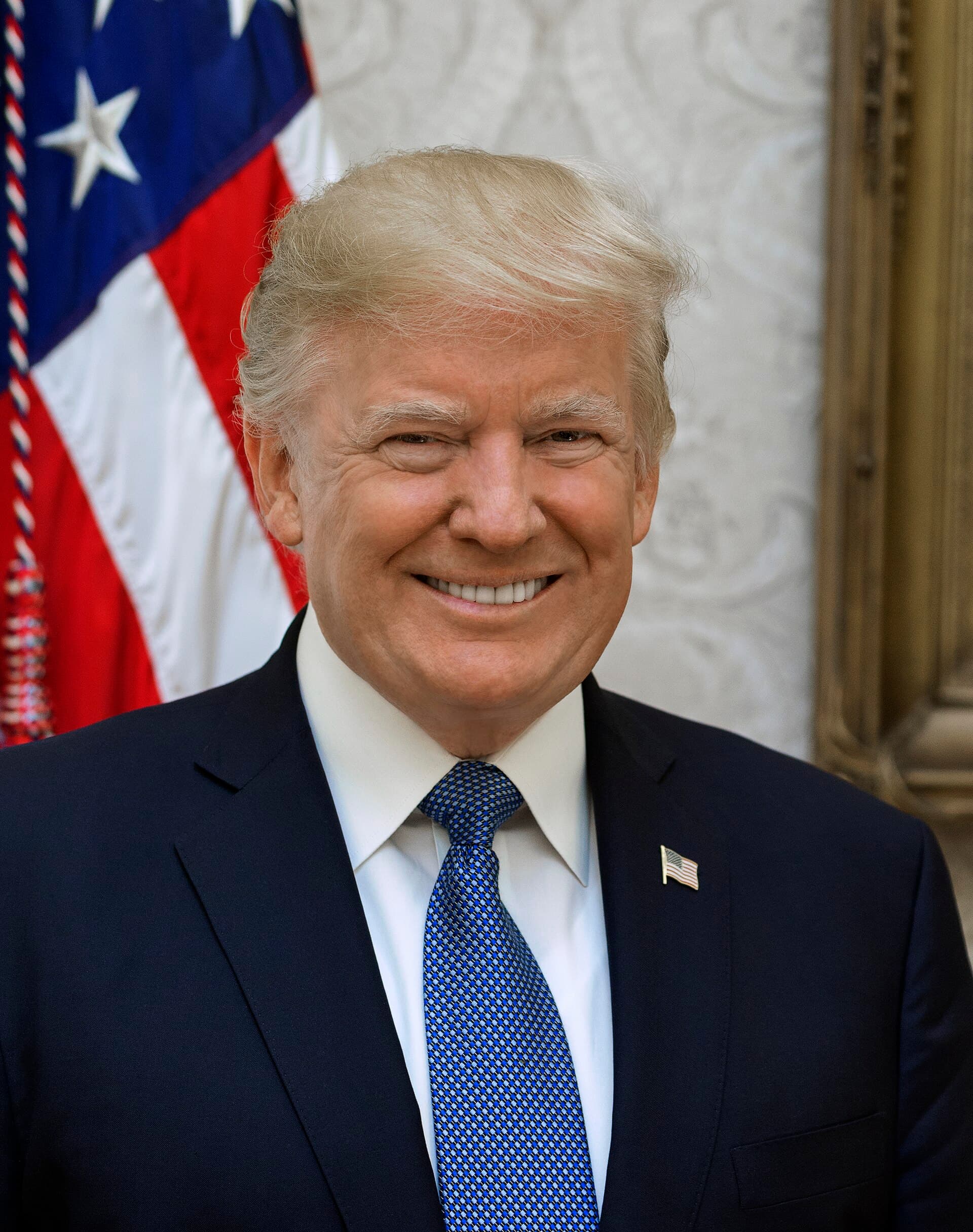
US President Donald Trump, Chinese President Xi Jinping, and Russian President Vladimir Putin convened in Shenzhen, China, on the sidelines of the 33rd Asia-Pacific Economic Cooperation (APEC) Economic Leaders' Meeting. The historic trilateral discussions centered on international security, nuclear arms reduction, global trade, and ongoing geopolitical conflicts, including the wars in Ukraine and Iran.
Agenda and Strategic Discussions
During the meetings, leaders addressed nuclear disarmament efforts following the expiration of the US-Russia New START treaty earlier in the year, alongside Washington's push to involve Beijing in broader arms control frameworks. Discussions also examined global energy security, specifically focusing on reopening the Strait of Hormuz to relieve blockades affecting oil, gas, and fertilizer supplies. Participants noted these supply chain pressures impact Asian nations, referencing India's measures to protect its domestic market against global price fluctuations.
Bilateral Meetings and Prior Engagements
Ahead of the three-way summit, Chinese President Xi Jinping and Russian President Vladimir Putin met separately to reaffirm their bilateral partnership. Xi characterized the relationship as resilient against international uncertainties, while Putin emphasized constructive political cooperation and criticized the use of economic coercion. US President Donald Trump expressed optimism regarding his engagements, stating that Beijing and Washington shared common interests in preventing Iran from acquiring a nuclear weapon, ensuring uninterrupted energy flows through the Strait of Hormuz, and helping to bring an end to the Russia-Ukraine conflict.
Domestic Political Reactions
In the United States, a group of Democratic Senators issued a public caution ahead of the summit. The lawmakers urged the US President to defend American interests, challenge security threats from Beijing and Moscow, and refrain from granting concessions that might compromise Ukraine or international allies. The Senators expressed apprehension that the trilateral platform could foster global spheres of influence and highlighted concerns regarding China's strategic alignment with Russia.
- Trilateral talks in Shenzhen focused on nuclear arms, energy security, and ongoing global conflicts.
- Leaders discussed reopening the Strait of Hormuz to stabilize oil, gas, and fertilizer supplies.
- US Democratic Senators cautioned against potential concessions affecting Ukraine and international allies.
Spotted an error? · Our editorial policy
UP NEXTIndia Takes Commanding 118-Run Lead Against New Zealand on Day 3 of First TestOther angles · #APEC summit
Timeline →- NewsDonald Trump Defends Summit With Xi and Putin Following Domestic Criticism
- NewsRahul Gandhi Criticizes PM Modi Over ‘G3’ Trilateral Meeting; BJP Fires Back
- NewsLeaders Convene in Shenzhen for Historic Trilateral Summit Amid Protocol Debates
- NewsDonald Trump and Xi Jinping Hold Bilateral Talks Ahead of Historic Trilateral Meeting at APEC Summit
More from World Politics
Donald Trump Jokingly Asks White House Chief of Staff Stephen Miller About 2028 Presidential Run
Trump Discusses Nuclear Buildup and AI Safeguards Following Trilateral Summit with Xi and Putin

Trump Threatens Heavy Taxes on US Firms Constructing Data Centers Overseas