Myanmar Rejects International Court Genocide Ruling on Rohingya
The Myanmar government has formally dismissed a landmark International Court of Justice ruling that found the state responsible for genocide against the Rohingya people.

- The ICJ ruled that Myanmar committed genocide against the Rohingya minority in 2017.
- Myanmar officials rejected the ruling as unfair and cited the non-unanimous vote.
- The government maintains that its 2017 military actions were counter-terrorism operations.
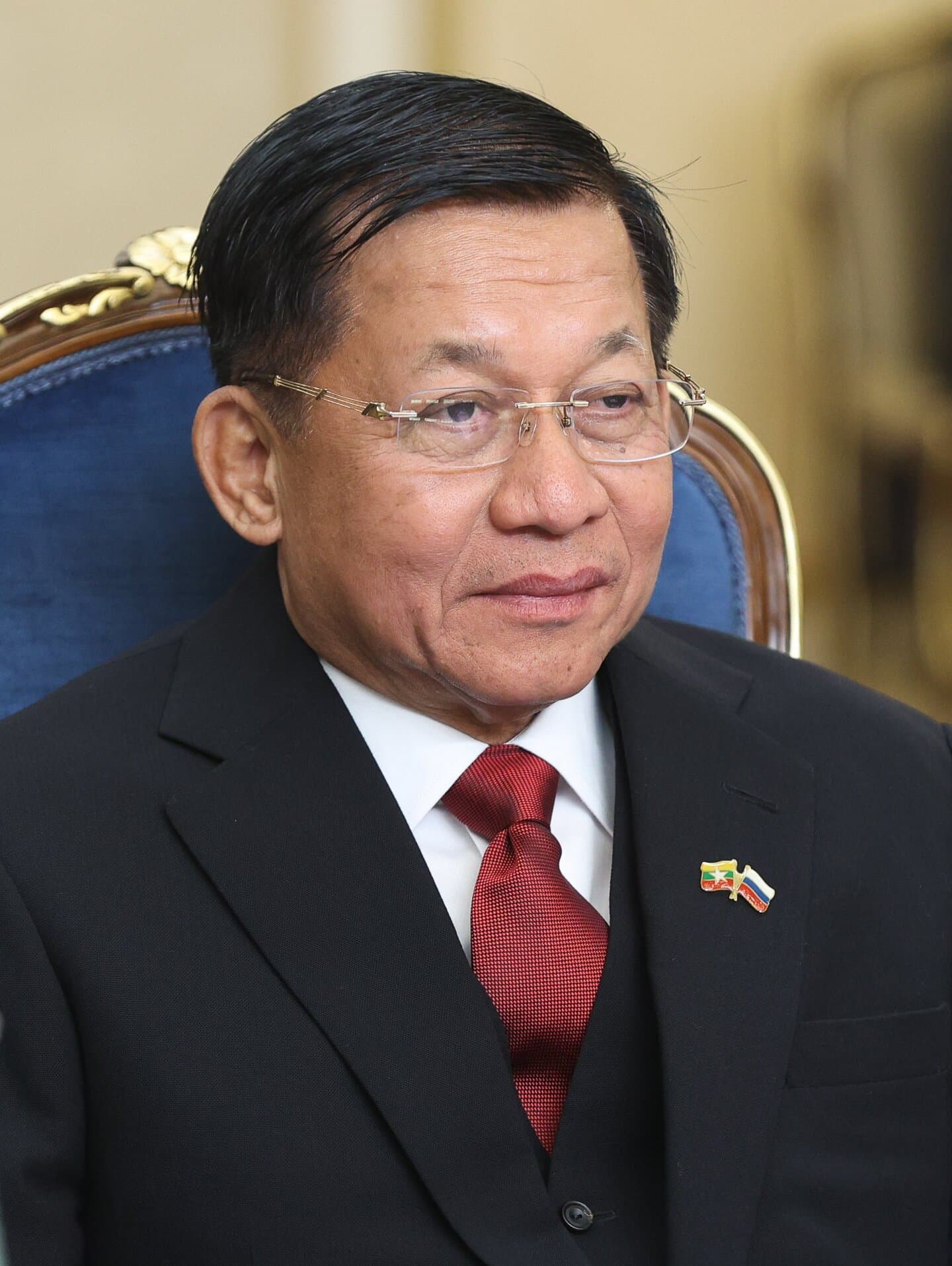
Myanmar’s government has publicly rejected a historic ruling by the International Court of Justice (ICJ), which determined that the country committed genocide against the Rohingya minority during military operations in 2017. Officials in Naypyitaw labeled the decision "unfair," highlighting that the verdict was reached by a nine-to-six vote rather than a unanimous decision among the 15 judges.
Government Response and Claims
In a detailed statement, Myanmar's Foreign Ministry expressed disappointment, asserting that the evidence presented did not meet the necessary legal threshold to prove genocidal intent. The government maintained that its military actions in Rakhine State were legitimate counter-terrorism measures taken in response to attacks by the Arakan Rohingya Salvation Army (ARSA). Authorities claimed these operations were limited in scope and duration.
Court Findings and Humanitarian Impact
The ICJ judgment concluded that Myanmar’s military engaged in mass killings—estimating approximately 10,000 deaths—as well as large-scale sexual violence and the destruction of thousands of homes. The court mandated that Myanmar provide reparations, ensure the safety of the Rohingya, and facilitate the return of those displaced. Currently, roughly 1.2 million Rohingya refugees remain in crowded camps in Bangladesh, while approximately 600,000 remain in Rakhine, including 140,000 in internal displacement camps.
Future Uncertainty
While the court's ruling is final, it possesses limited enforcement mechanisms. Myanmar’s government stated it would continue to provide humanitarian aid but maintained that the repatriation of refugees would only occur "as and when situations permit." Meanwhile, opposition groups, including the National Unity Government and militant organizations like ARSA and the Rohingya Solidarity Organization, have urged the international community to move beyond the declaration and enforce the court's mandates to ensure justice and a safe return for the displaced population.
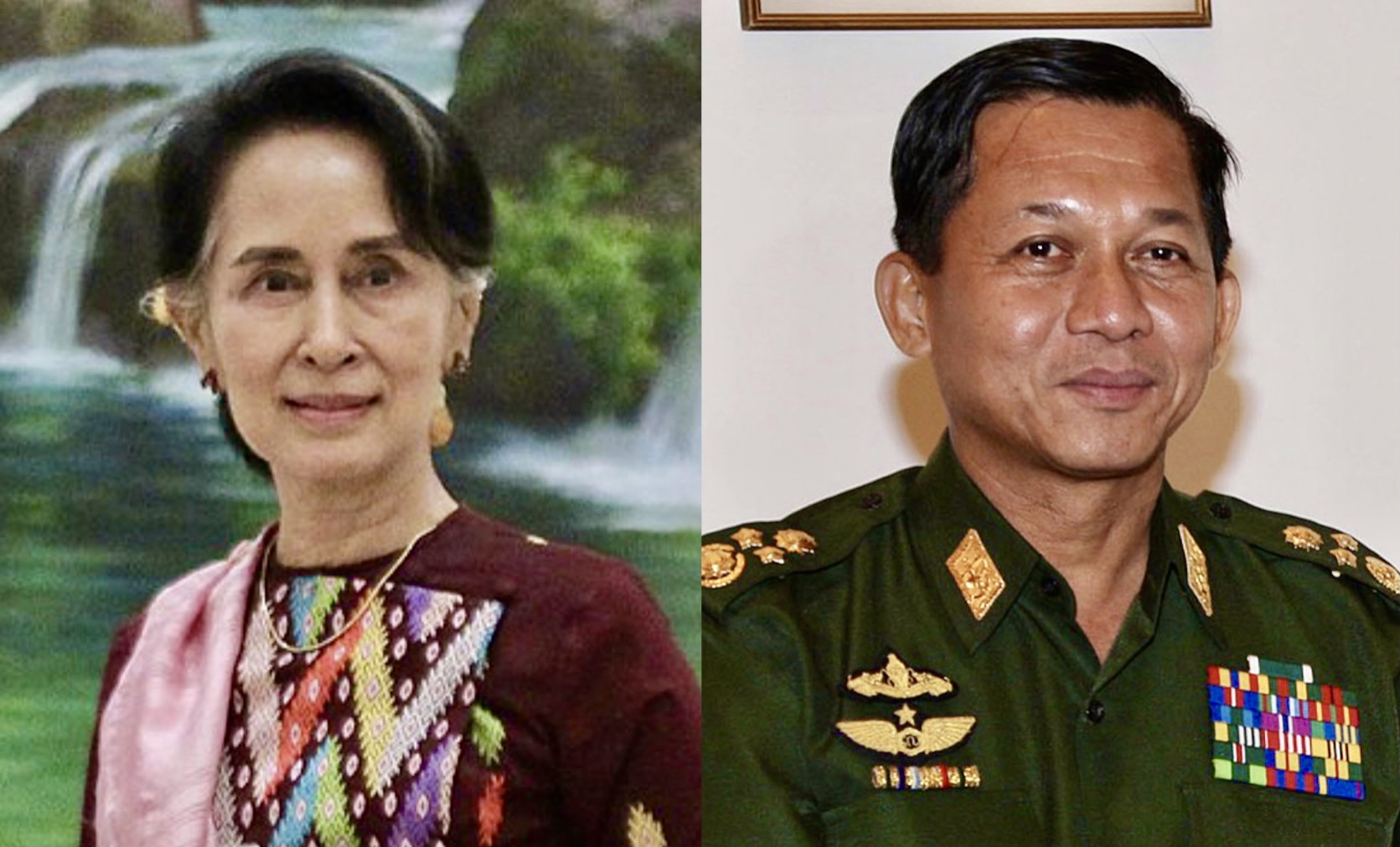
- The ICJ is the first international court to hold a state responsible for genocide.
- Myanmar's government claims the 2017 crackdown was a limited response to armed militants.
- Advocacy groups are calling for international pressure to ensure the court's orders are followed.
- Myanmar’s government has publicly rejected a historic ruling by the International Court of Justice (ICJ), which determined that the country committed genocide against the Rohingya minority during military operations in 2017.
Spotted an error? · Our editorial policy
UP NEXTBJP MP Nishikant Dubey Alleges Sonia Gandhi Held Major Stake in Early Maruti Venture