Human Rights Commission of Pakistan Warns of Democratic Backsliding
The Human Rights Commission of Pakistan has expressed significant alarm regarding the decline of judicial independence and the suppression of fundamental civil liberties.

- HRCP warns of democratic erosion and threats to judicial independence.
- The commission demands a review of the 26th and 27th Constitutional Amendments.
- Concerns raised over the detention of activists and human rights lawyers.
The Human Rights Commission of Pakistan (HRCP) has issued a stern warning concerning the state of the nation's governance, describing an intensifying pressure on constitutional democracy and personal freedoms. During the conclusion of its 40th Annual General Meeting, the organization highlighted a systematic deterioration of democratic institutions, citing the prevalence of surveillance, censorship, and the restrictive application of criminal statutes.
Judicial and Constitutional Concerns
Central to the Commission's critique are the 26th and 27th Constitutional Amendments, which the organization argues have severely compromised judicial autonomy and necessary institutional checks. The HRCP has formally requested a comprehensive review of these legislative changes, alongside an end to military-led trials for civilian citizens. Furthermore, the body expressed disapproval of the Federal Constitutional Court’s recent decision to limit the Peshawar High Court's jurisdiction, asserting that such measures obstruct access to legal recourse.
The HRCP also drew attention to the detention of prominent activists, including Mahrang Baloch, Ali Wazir, and Idris Khattak. Specifically, the organization condemned the ten-year prison sentences handed down to human rights attorneys Imaan Mazari-Hazir and Hadi Chattha in October 2026. These cases are viewed by the Commission as indicative of an environment where individuals are targeted for exercising protected constitutional rights. The group advocated for the repeal of broad detention authorities found in the Anti-Terrorism Act and the closing of all internment facilities.
Regional and Social Instability
The Commission raised alarms regarding the political climate in Khyber Pakhtunkhwa, specifically noting the imposition of emergency measures, the removal of the provincial chief executive, and the widespread arrests of Pakistan Tehreek-e-Insaf members. Regarding Balochistan, the HRCP urged for a transparent national conversation to address regional grievances and suggested that restoring cross-border trade is vital for protecting local economic stability.
Religious minorities also face persistent threats, according to the HRCP, which cited ongoing incidents of mob violence, attacks on Ahmadiyya community sites, and the persecution of individuals through blasphemy accusations. The group called for the establishment of a National Commission for Minorities to ensure accountability for those inciting communal violence or involved in forced religious conversions. On the economic front, the Commission warned that austerity measures are disproportionately affecting low-income populations, urging the government to focus on equitable wages and essential public services to mitigate deepening inequality.
- Legal experts and activists are currently facing severe sentencing and detention.
- Institutional independence is described as being undermined by recent constitutional amendments.
- Economic policies are criticized for placing excessive burdens on vulnerable populations.
- The Human Rights Commission of Pakistan (HRCP) has issued a stern warning concerning the state of the nation's governance, describing an intensifying pressure on constitutional democracy and personal freedoms.
Spotted an error? · Our editorial policy
UP NEXTSanjay Kapoor Stars in ‘Unexpected – Safed Sach’ Based on 2024 Dehradun CaseSwipe more stories · World PoliticsQuick cards, a few lines each. Tap to open.More from World Politics
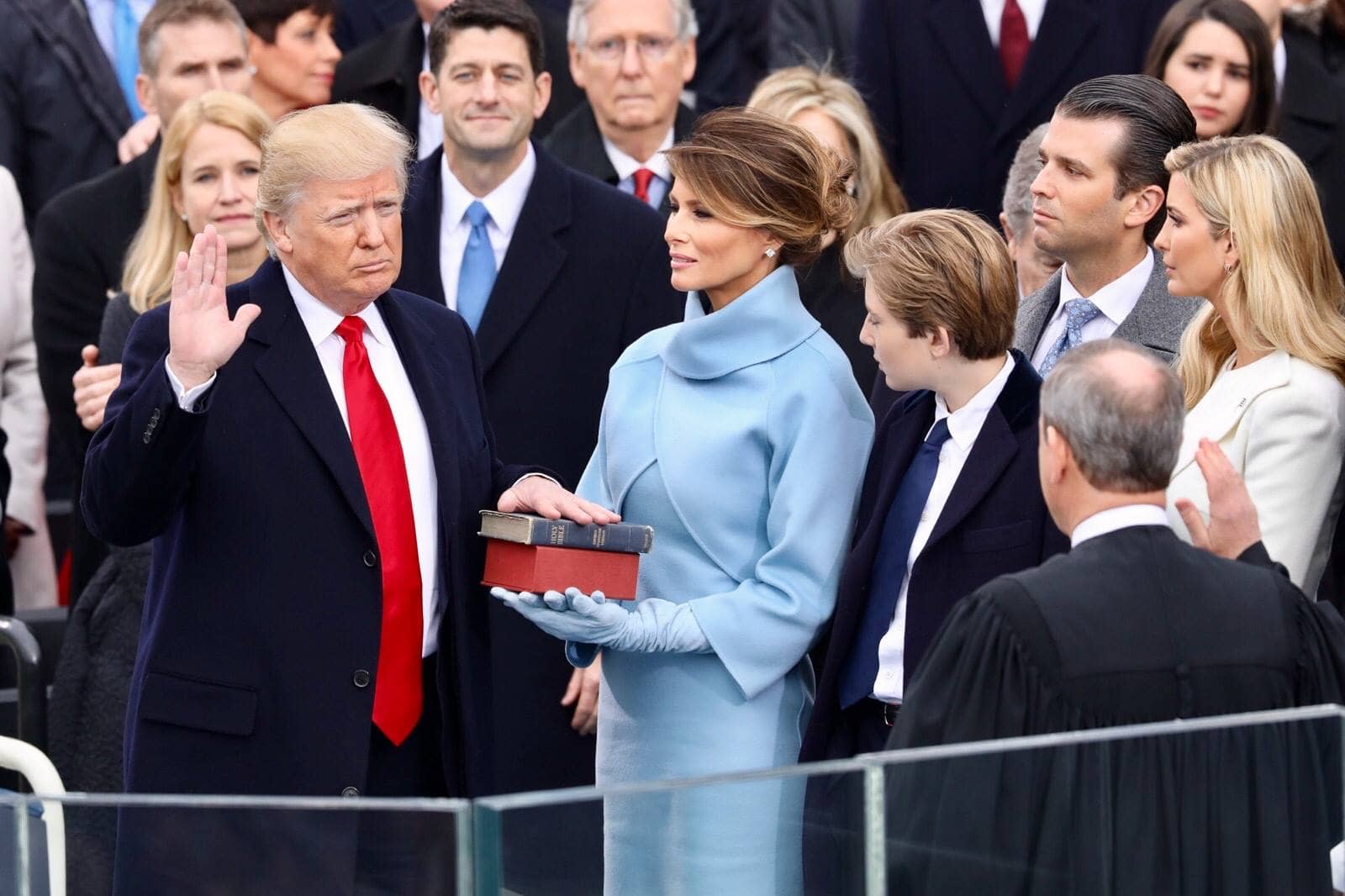
Donald Trump Jokingly Asks White House Chief of Staff Stephen Miller About 2028 Presidential Run
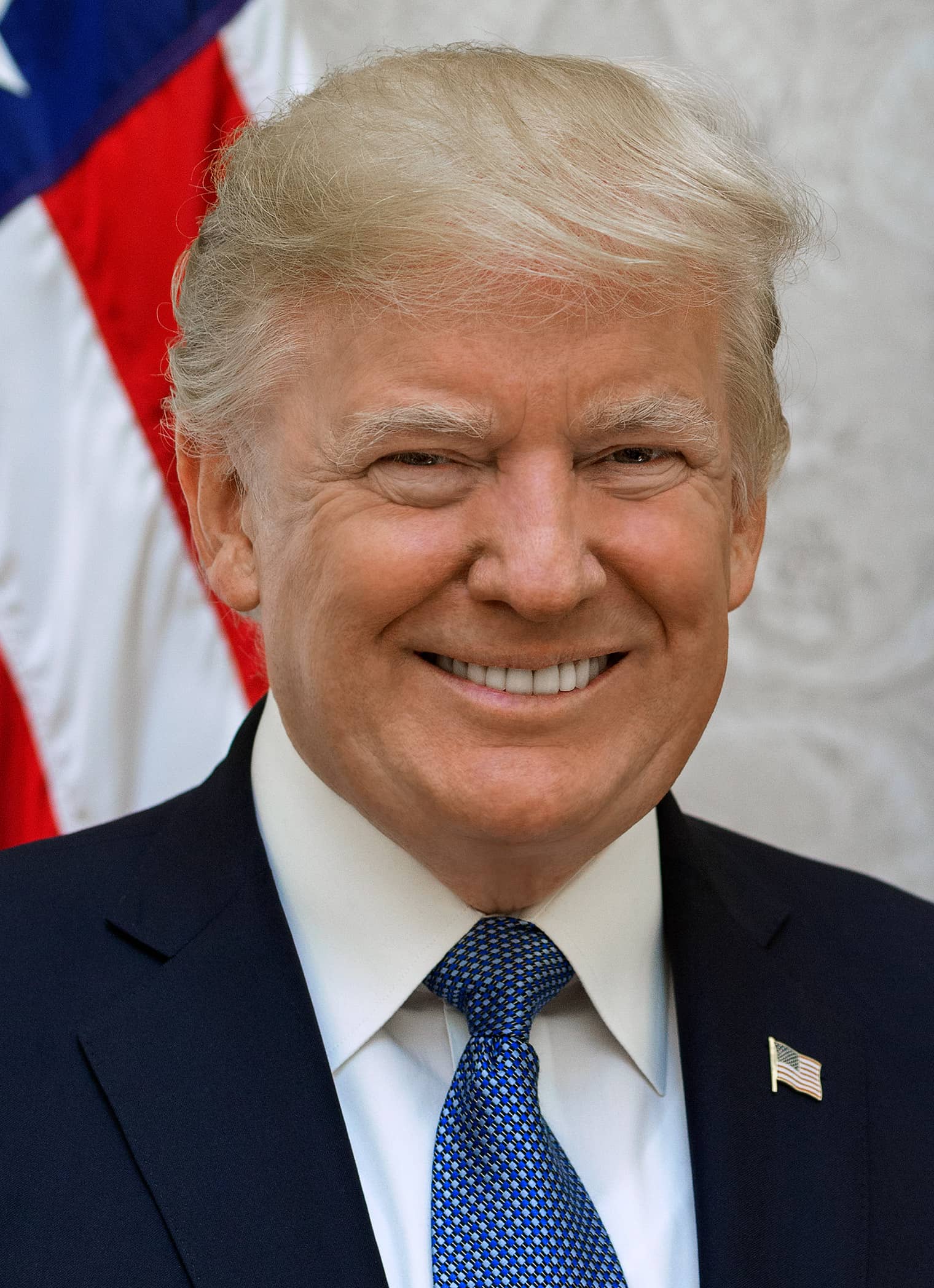
Trump Discusses Nuclear Buildup and AI Safeguards Following Trilateral Summit with Xi and Putin

Trump Threatens Heavy Taxes on US Firms Constructing Data Centers Overseas