International Court of Justice Finds Myanmar Forces Killed Thousands of Rohingya
The International Court of Justice announced that evidence supports estimates that Myanmar security forces violently killed 10,000 Rohingya civilians during 2017 military operations.

- ICJ President Yuji Iwasawa confirmed evidence supports 10,000 Rohingya killed in 2017.
- The case was brought by The Gambia under the 1948 UN Genocide Convention.
- Myanmar previously denied genocide claims, arguing actions targeted insurgents.
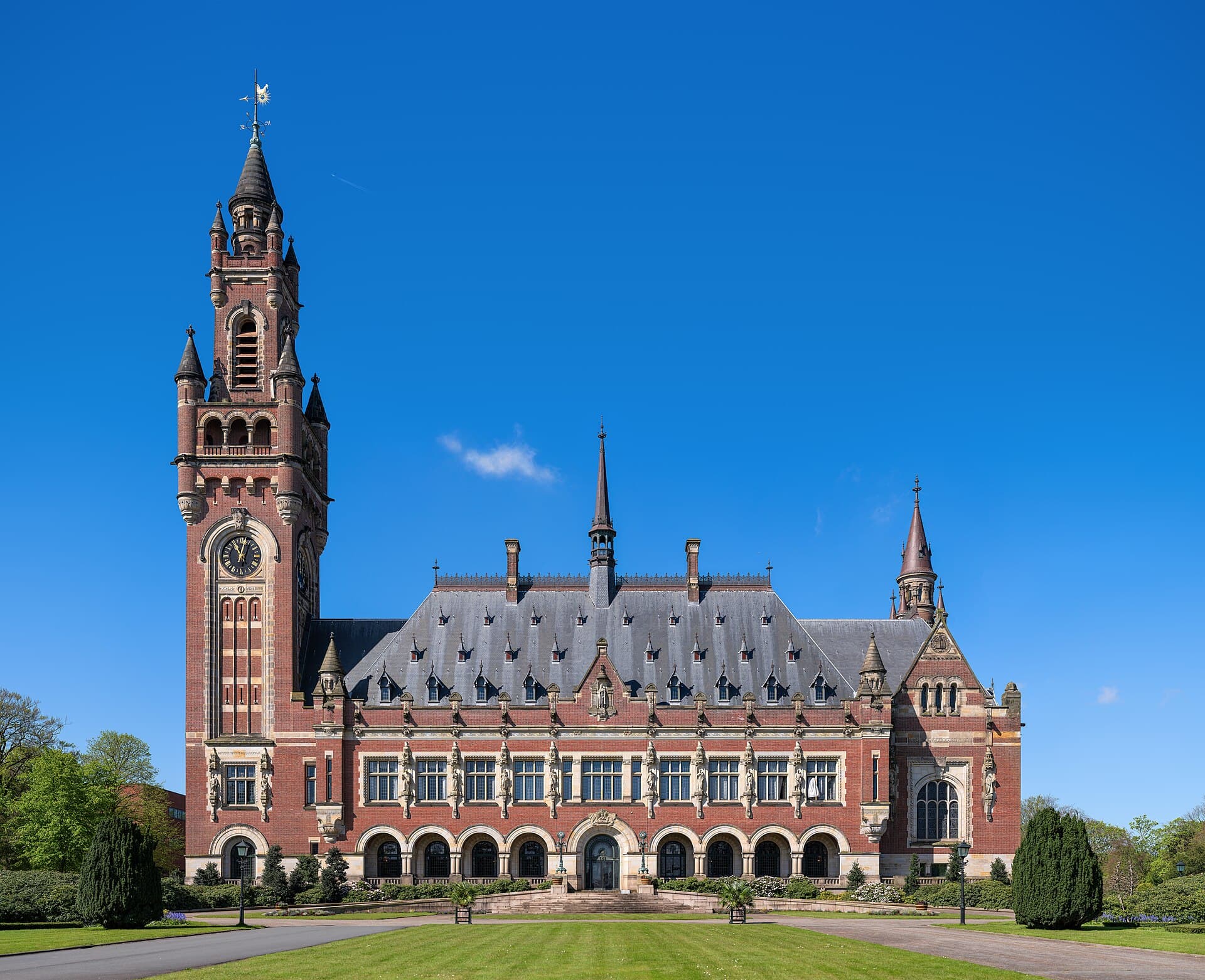
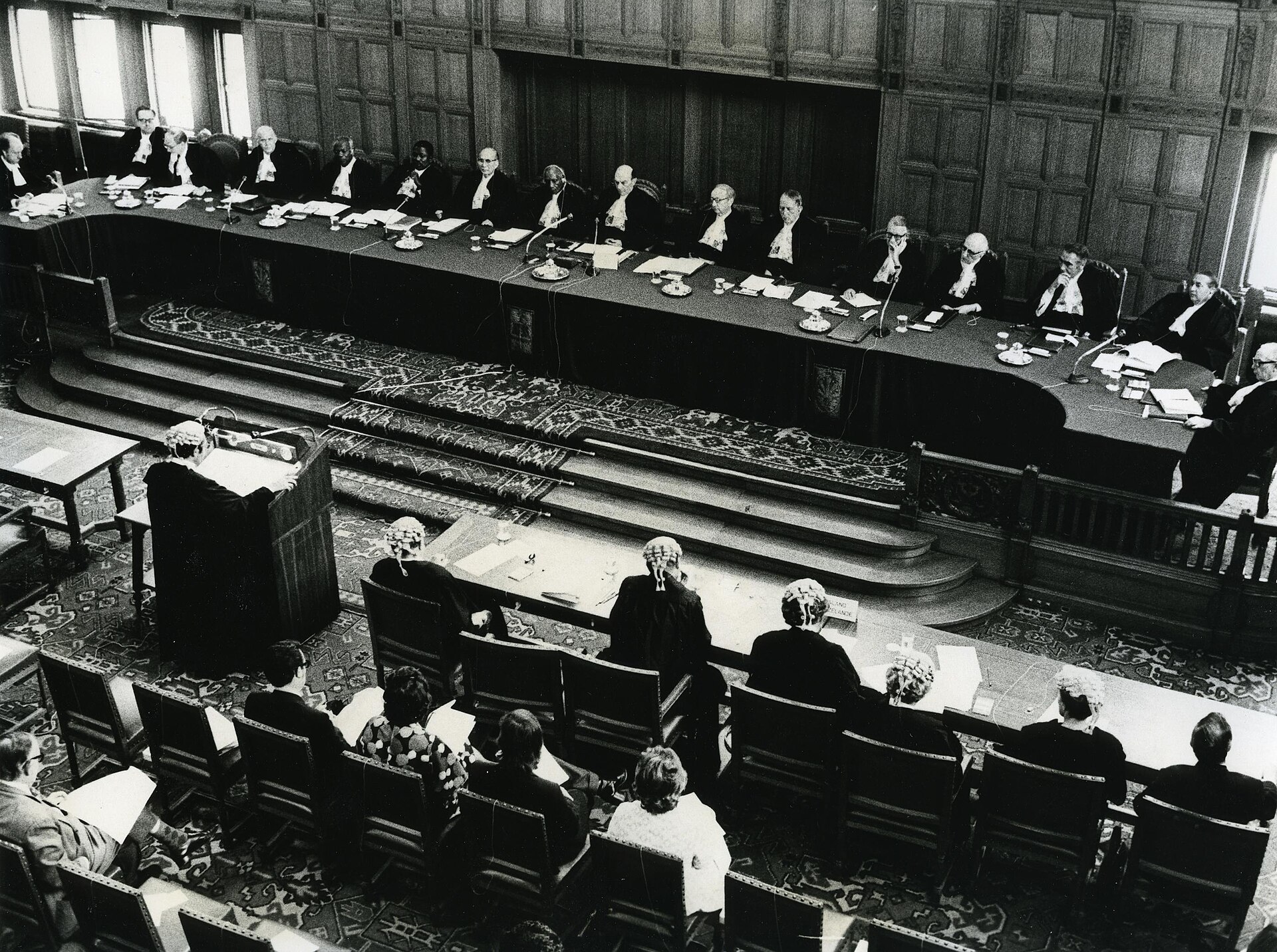
Judges at the International Court of Justice stated on Thursday that Myanmar security forces killed thousands of Rohingya civilians, carried out widespread sexual violence, committed extreme acts of violence against children, and destroyed villages during the 2017 military crackdown. ICJ President Yuji Iwasawa delivered the findings during a three-hour reading in The Hague, confirming that evidence supports an estimate of 10,000 Rohingya violently killed during the clearance operations. The court also noted that soldiers targeted fleeing populations as they sought refuge across the border in Bangladesh.
Legal Proceedings and Background
The case was brought before the United Nations court by The Gambia under the 1948 UN Genocide Convention, backed by the 57-member Organisation of Islamic Cooperation. During earlier hearings, The Gambia argued that genocidal intent was evident from the organized nature and extreme brutality of the crackdown, as well as pervasive sexual violence and the targeting of children. Myanmar has consistently denied allegations of genocide, asserting through its representative, Ko Ko Hlaing, that the military operations targeted insurgents following attacks that left security personnel dead.
Implications for Accountability
While the court has not yet ruled on whether the actions constitute genocide, the ongoing verdict reading offers a potential avenue for international accountability. Over one million Rohingya currently reside in refugee camps in Bangladesh following the violence. The legal proceedings carry potential implications for Min Aung Hlaing, who commanded the military during the 2017 operations and later led the 2021 coup, as he pursues international diplomatic legitimacy. Legal experts are also observing the proceedings closely for precedents regarding how the court evaluates intent in international law.
- ICJ confirmed thousands of Rohingya deaths and widespread sexual violence during 2017 operations.
- The case was initiated by The Gambia with backing from the Organisation of Islamic Cooperation.
- The court has not yet finalized its ruling on whether the actions amount to genocide.
Spotted an error? · Our editorial policy
UP NEXTSanjay Kapoor Stars in ‘Unexpected – Safed Sach’ Based on 2024 Dehradun CaseOther angles · #International Court of Justice
Timeline →- NewsIndia Notes ICJ Genocide Verdict on Rohingya, Highlights Support for Safe Return
- NewsMalaysia Deletes Announcement on Resettling 10,000 Rohingya Refugees in Turkey
- NewsIndia Supports Rohingya Repatriation Following Historic ICJ Genocide Ruling Against Myanmar
- NewsMalaysia Approves Plan to Resettle 10,000 Rohingya Refugees in Turkiye Following ICJ Ruling