Malaysia Approves Plan to Resettle 10,000 Rohingya Refugees in Turkiye Following ICJ Ruling
Malaysia has announced a Cabinet-approved initiative to resettle 10,000 Rohingya refugees in Turkiye through a vocational training programme following the International Court of Justice’s genocide ruling against Myanmar.

- Malaysia's Cabinet approved a plan to resettle 10,000 Rohingya refugees in Turkiye via a vocational training program.
- The announcement followed an International Court of Justice ruling that found Myanmar responsible for genocide against the Rohingya in 2017.
- Malaysia hosted about 193,000 registered refugees from Myanmar at the end of February, with roughly two-thirds being Rohingya.
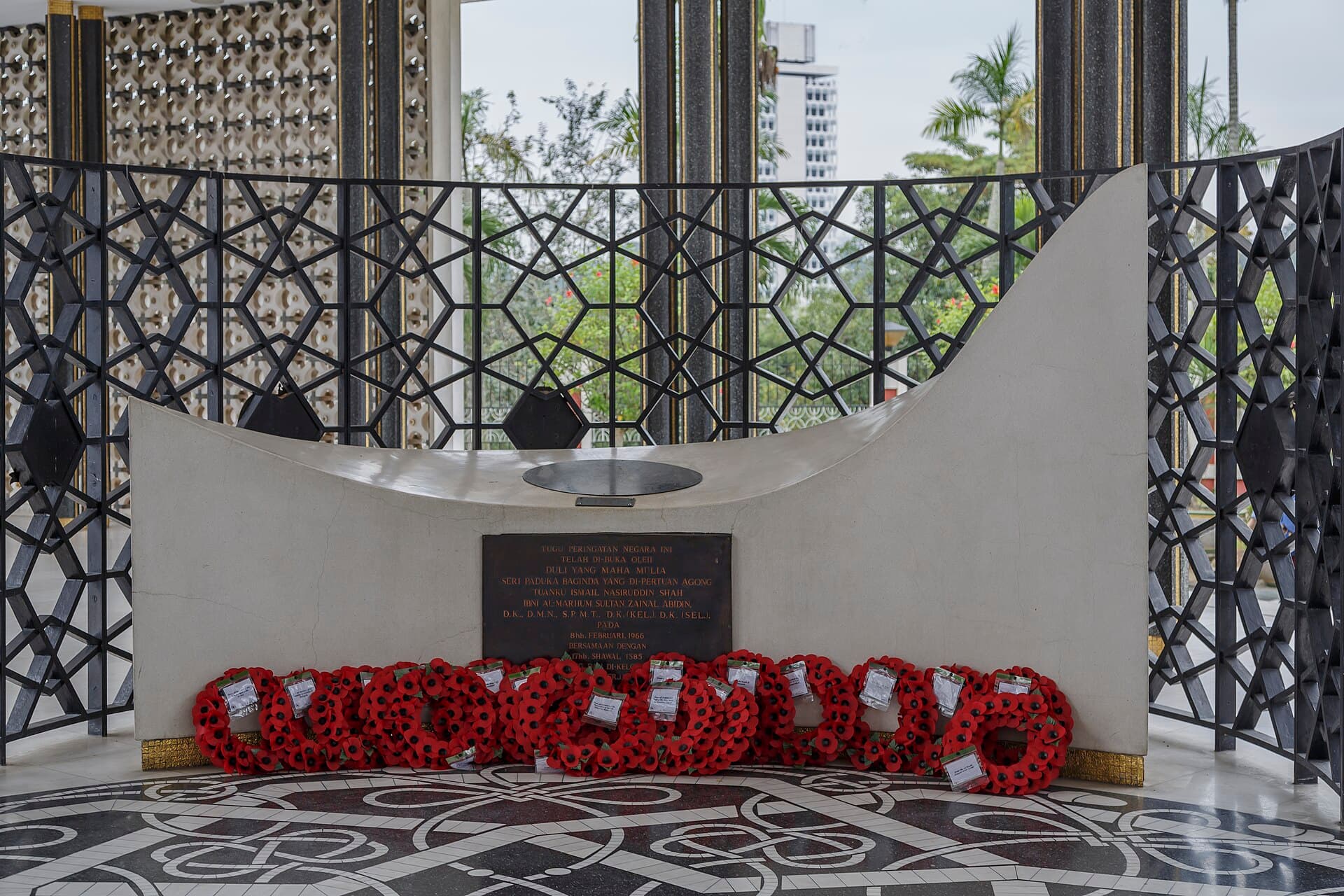
Malaysia's Cabinet has approved a proposal to resettle 10,000 Rohingya refugees in Turkiye through a structured skills-training programme, as announced by Malaysian Deputy Prime Minister Ahmad Zahid Hamidi. The initiative marks one of the largest planned resettlement efforts for the community since the 2017 military crackdown in Myanmar's Rakhine state. Under the proposed framework, participants will undergo three to six months of Technical and Vocational Education and Training tailored to Turkish industry requirements. Malaysian and Turkish authorities will collaborate alongside the United Nations High Commissioner for Refugees and other relevant agencies to handle selection, documentation, and training, while ensuring individual consent and compliance with international rules. The Turkish Foreign Ministry did not immediately respond to requests for comment regarding the arrangement.
Context of the International Court of Justice Verdict
The resettlement announcement followed a ruling by the International Court of Justice concluding that Myanmar's security forces committed genocide and widespread sexual violence against the Rohingya during the 2017 clearance operations. The UN's highest court determined that Myanmar violated obligations under the Genocide Convention, failed to prevent or punish the acts, and obstructed evidence preservation. United Nations Secretary-General António Guterres characterized the final, binding judgment as a powerful recognition for the victims.
Domestic Refugee Policy and Background in Malaysia
The policy development unfolds amid mounting pressure within Malaysia regarding migration management and local community tensions. Malaysia operates outside the 1951 Refugee Convention, classifying asylum-seekers as temporary residents while utilizing third-country resettlement or repatriation. Government statistics and UNHCR figures indicate Malaysia hosted approximately 193,000 registered refugees from Myanmar at the end of February, with about two-thirds being Rohingya, alongside the return of over 10,000 Myanmar nationals since January.
- Participants in the resettlement program will complete three to six months of technical and vocational training tailored to Turkish industries.
- The International Court of Justice ruled that Myanmar's 2017 military crackdown amounted to state-sponsored genocide.
- Malaysia is not a signatory to the 1951 Refugee Convention and handles refugees as temporary residents.
Spotted an error? · Our editorial policy
UP NEXTSanjay Kapoor Stars in ‘Unexpected – Safed Sach’ Based on 2024 Dehradun CaseOther angles · #International Court of Justice
Timeline →- NewsIndia Notes ICJ Genocide Verdict on Rohingya, Highlights Support for Safe Return
- NewsMalaysia Deletes Announcement on Resettling 10,000 Rohingya Refugees in Turkey
- NewsIndia Supports Rohingya Repatriation Following Historic ICJ Genocide Ruling Against Myanmar
- NewsInternational Court of Justice Finds Myanmar Responsible for Rohingya Genocide
More from World Politics
Donald Trump Jokingly Asks White House Chief of Staff Stephen Miller About 2028 Presidential Run
Trump Discusses Nuclear Buildup and AI Safeguards Following Trilateral Summit with Xi and Putin
Trump Threatens Heavy Taxes on US Firms Constructing Data Centers Overseas