ICJ Finds Myanmar Responsible for Rohingya Genocide in Landmark Ruling
The International Court of Justice has held Myanmar directly responsible for genocide against the Rohingya, marking the first time the UN court has made such a finding against a state.

- ICJ found Myanmar responsible for Rohingya genocide in a 9-6 majority ruling on November 19.
- The court determined military clearance operations in 2017 included at least 10,000 deaths and mass displacement.
- Myanmar was ordered to enact laws, investigate perpetrators, and provide reparations and safe return for refugees.
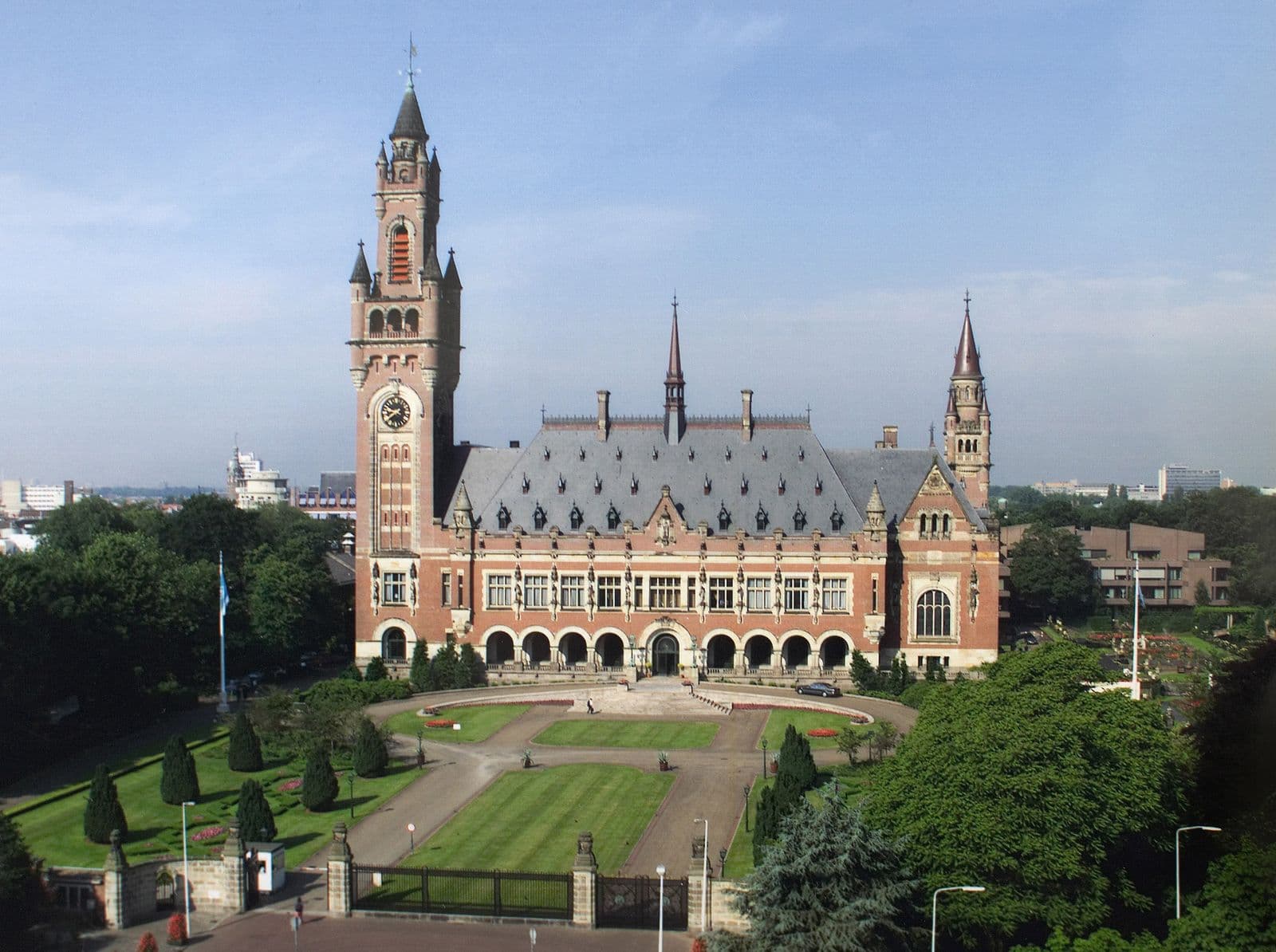
The International Court of Justice delivered a historic judgment on November 19, ruling by a 9-6 majority that Myanmar committed genocide against the Rohingya Muslim minority during military clearance operations in 2017. Presiding judge Iwasawa Yuji stated that the court found the actions of Myanmar's military, known as the Tatmadaw, demonstrated an explicit intention to destroy a substantial part of the ethnic group in northern Rakhine State. This decision marks the first time in the 80-year history of the United Nations' highest court that a state has been held directly responsible for genocide.
Background and Court Findings on Atrocities
The legal proceedings began on November 11, 2019, when The Gambia instituted a case against Myanmar at the court for violating the 1948 Genocide Convention. The military crackdown in 2017 followed attacks by the Arakan Rohingya Salvation Army on security posts. The court accepted estimates that at least 10,000 Rohingya were killed during the operations, which involved mass killings, widespread sexual violence, torture, and the burning of villages. The violence forced more than 730,000 Rohingya to flee across the border to Bangladesh, contributing to an estimated population of 1.2 million refugees in the country.
The court concluded that Myanmar committed three prohibited acts under the convention: killing members of the group, causing serious bodily or mental harm, and imposing measures intended to prevent births. Six judges dissented, questioning whether the evidence established the specific intent required under the treaty. In addition to the genocide finding, the court ruled that Myanmar failed to prevent attacks by civilian participants, failed to punish perpetrators, and breached a 2020 provisional order to preserve evidence.
Mandated Reparations and Wider Legal Implications
As part of its judgment, the ICJ ordered Myanmar to investigate and prosecute suspected perpetrators, enact domestic legislation to fulfill its obligations under the convention, and submit a compliance report within two years. The court also ordered comprehensive reparations, including facilitating the safe, voluntary, and dignified return of displaced Rohingya, reuniting families, restoring property and citizenship status, and compensating victims.
Amnesty International Secretary General Agnes Callamard called the verdict an authoritative recognition of past atrocities and a rare moment of justice for survivors. While ICJ judgments are binding only on the parties to the specific dispute under Article 59 of the statute, legal experts note that the ruling could influence ongoing proceedings involving other states. These include South Africa's case against Israel concerning military operations in Gaza and Ukraine's proceedings against Russia, although the Myanmar ruling does not legally determine the outcome of those separate disputes.
- The 9-6 ruling concluded that Myanmar's military operations intended to destroy the Rohingya population.
- Over 730,000 Rohingya fled to Bangladesh following the 2017 military crackdown in Rakhine State.
- The judgment sets a legal precedent that may inform other international genocide cases at the court.
Spotted an error? · Our editorial policy
UP NEXTSanjay Kapoor Stars in ‘Unexpected – Safed Sach’ Based on 2024 Dehradun Case