International Court of Justice Finds Myanmar Responsible for Rohingya Genocide
The International Court of Justice has ruled that Myanmar violated the UN Genocide Convention during military operations against the Rohingya in 2017.

- ICJ found Myanmar responsible for genocide against the Rohingya during 2017 military operations.
- The court ordered Myanmar to provide restitution, safe returns, and compensation, reporting back in two years.
- More than 800,000 Rohingya fled to Bangladesh following the 2017 violence.
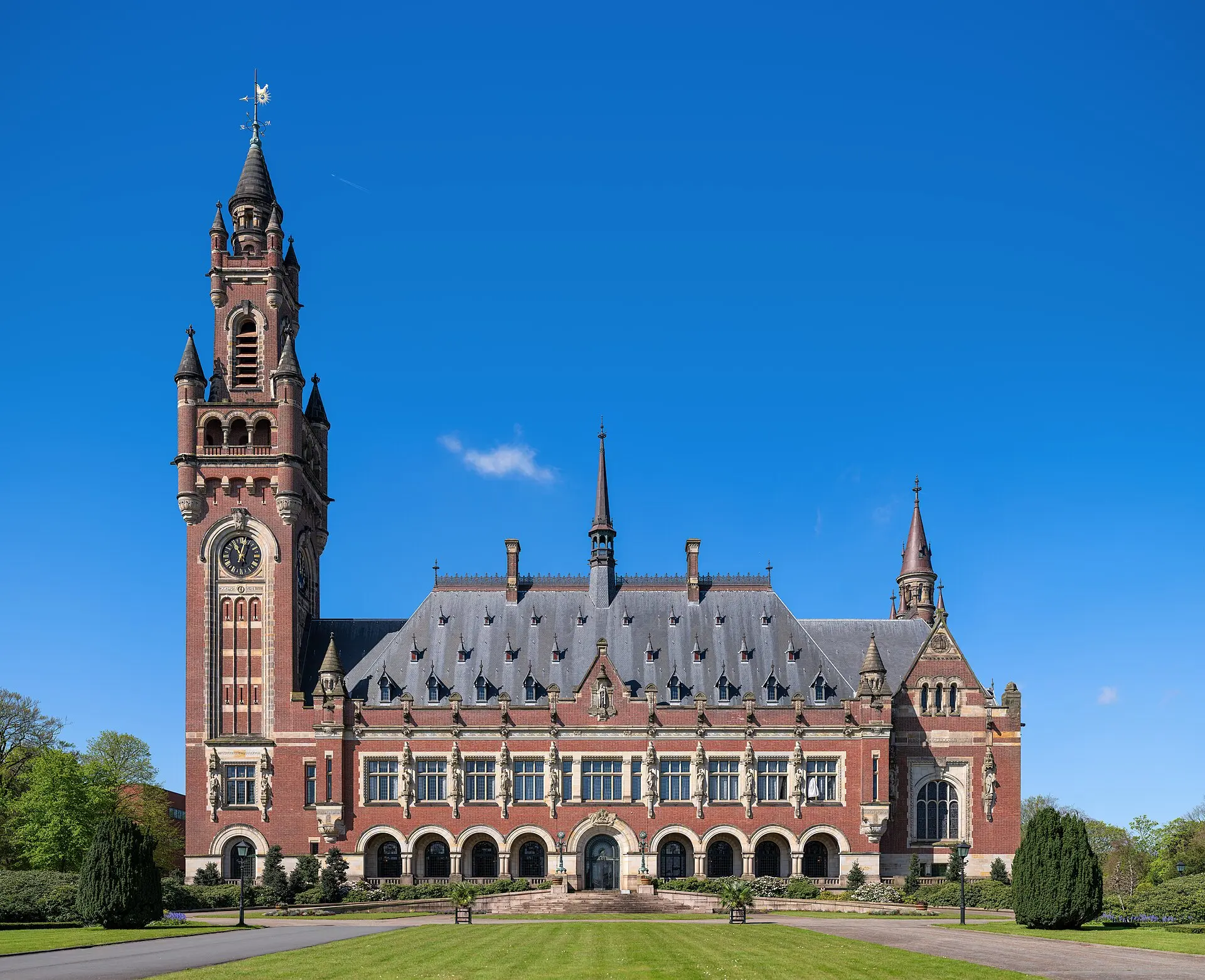
The International Court of Justice delivered its judgment on the merits in a case brought by The Gambia, with eleven states intervening, finding Myanmar responsible for committing genocide against the Rohingya population in northern Rakhine State during military operations in 2017. The United Nations' top court concluded that Myanmar breached its obligations under the UN Genocide Convention, including failures to prevent genocide by individuals acting alongside security forces, punish prohibited acts, and enact necessary domestic legislation. However, the court determined that Myanmar did not directly and publicly incite private individuals to commit genocide.
Court Directives and Reparations
As a consequence of the judgment, the court ordered Myanmar to end ongoing violations, investigate suspects, and prosecute individuals where warranted, while also providing guarantees of non-repetition. The ruling mandates Myanmar to adopt restitution measures to ensure the safe, voluntary, and dignified return of displaced Rohingya and the reunification of families. Additionally, the court ordered Myanmar to provide compensation, with the specific amounts and modalities to be decided in a subsequent phase. Myanmar must submit a report detailing these measures within two years.
Background and International Reactions
The legal proceedings originated from a 2019 filing by The Gambia following the 2017 military campaign, which was launched after attacks on police stations by Rohingya militants. The operations resulted in thousands of unlawful deaths, sexual violence, torture, and the burning of hundreds of villages, driving more than 800,000 people to flee into neighbouring Bangladesh. Amnesty International Secretary General Agnes Callamard called the ruling a historic recognition of the atrocities and urged immediate compliance by Myanmar authorities, an arms embargo by the UN Security Council, and a referral to the International Criminal Court.
- The ICJ ruled on a case brought by The Gambia involving 11 intervening states.
- Myanmar was found to have violated the UN Genocide Convention and a 2020 evidence-preservation order.
- Amnesty International welcomed the ruling as the first time the ICJ has found a state responsible for genocide.
Spotted an error? · Our editorial policy
UP NEXTBJP MP Nishikant Dubey Alleges Sonia Gandhi Held Major Stake in Early Maruti VentureOther angles · #Genocide Convention
Timeline →More from World Politics
US Court Sends Summons to Indian Officials in Pannun Lawsuit
Donald Trump Jokingly Asks White House Chief of Staff Stephen Miller About 2028 Presidential Run
Trump Discusses Nuclear Buildup and AI Safeguards Following Trilateral Summit with Xi and Putin