Zelenskyy Cautions Against US-Proposed European Security Framework and Raises Satellite Concerns
Ukrainian President Volodymyr Zelenskyy warned that a United States-proposed European security framework could benefit Moscow, while also addressing ongoing negotiations, military strikes, and satellite restrictions.

- US raised potential European security framework and Donbas withdrawal in exchange for NATO membership.
- Zelenskyy warned that broader security discussions could benefit Moscow and alter European borders.
- Delegations in Abu Dhabi prioritized energy ceasefires, Black Sea access, and prisoner exchanges.
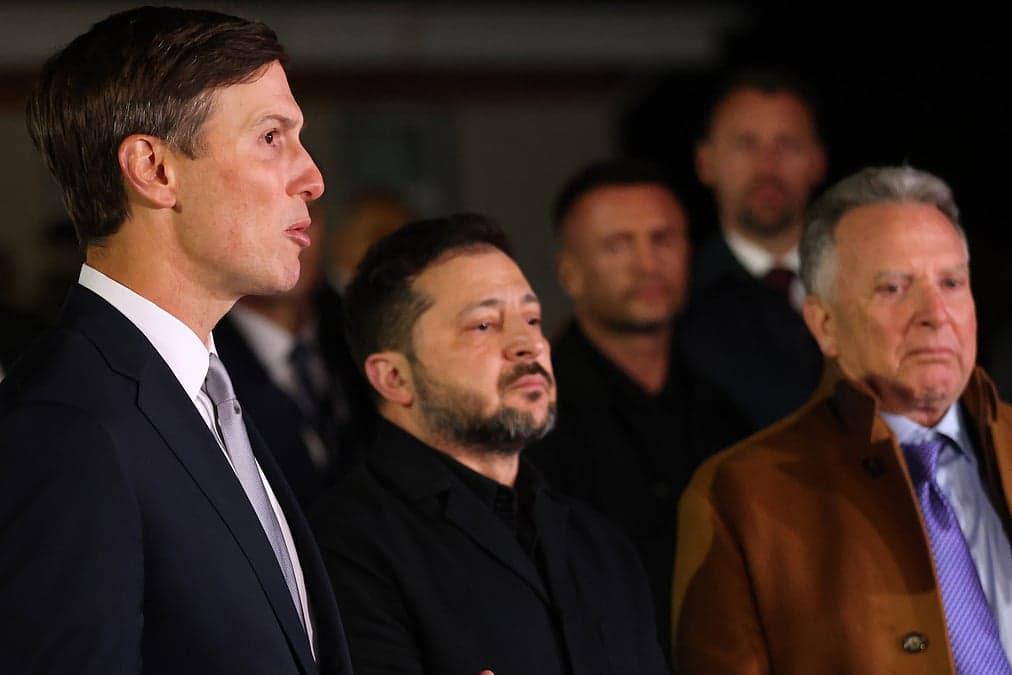
Ukrainian President Volodymyr Zelenskyy addressed reporters regarding a potential new security framework for Europe raised by the United States as part of diplomatic efforts to resolve the ongoing conflict. He cautioned that discussions of this nature carry inherent risks and should not form the core agenda. According to the Ukrainian leader, the administration in Washington inquired for the first time about a potential territorial withdrawal from uncontrolled parts of the Donbas region in exchange for formal NATO admission.
Territorial Stance and Security Frameworks
The Ukrainian head of state reiterated that Kyiv would maintain its territorial integrity and refused to surrender land. He emphasized that any comprehensive security package under discussion with international partners would likely incorporate specific guarantees from both the European Union and NATO, alongside strong national military capabilities, financial backing, and a structured recovery plan. Furthermore, he dismissed the viability of achieving a neutral constitutional status, noting that such a change would require a formal amendment to the country's foundational laws.
Regional Security and Border Concerns
Addressing wider geopolitical implications, Zelenskyy expressed concern that broader security dialogues could enable Russian President Vladimir Putin to pursue alterations to European borders and challenge existing military architectures. He suggested that Moscow aims to reopen continental security arrangements rather than merely conclude the 4.5-year conflict. Historical parallels were drawn to discussions held with former US President Joe Biden in 2021, indicating potential future demands regarding regional military presences, including countries such as Sweden, Finland, Hungary, and the Baltic states.
Negotiation Priorities and Prisoner Exchanges
Regarding recent diplomatic sessions held in Abu Dhabi, Zelenskyy outlined primary objectives that included achieving an energy ceasefire, reopening the Black Sea for transit, facilitating prisoner releases, and organizing subsequent leadership summits. He noted that Russian delegations lacked the necessary mandate to resolve specific matters and appeared reluctant to accept an energy ceasefire. Meanwhile, separate discussions involving US negotiators in Moscow yielded an impending prisoner exchange agreement projected to involve between 1,200 and 1,300 individuals from each side.
Military Engagements and Infrastructure Strikes
On the operational front, Ukraine's General Staff reported successful military actions targeting strategic Russian infrastructure. Operations included strikes on the Samara oil pipeline station located near Prosvet village, which ignited several oil storage tanks essential for export networks. Additional military actions were directed at the Lipetsk-2 airfield situated in the Lipetsk region, supporting combat logistics for Moscow's ongoing campaign.
Satellite System Restrictions
Zelenskyy raised operational concerns regarding SpaceX and its Starshield satellite communication network, alleging that speed limitations imposed in Russian-occupied Ukrainian territory hindered drone interception efforts. He noted that maximum speeds were restricted to 161 kph over a five-day period. Questioning technical justifications provided for the slowdown, he contrasted the situation with prior assurances from US Secretary of State Marco Rubio concerning governmental oversight, emphasizing the necessity to investigate the origin of these operational limits.
European Representation in Future Talks
Emphasizing the diplomatic process, the Ukrainian leader maintained that European participants must direct future security arrangements following the conclusion of hostilities. Washington reportedly supported Kyiv's insistence that European nations be directly represented inside primary negotiation chambers rather than excluded from core discussions. Delegations from nations such as Britain, France, Germany, and Italy participated in the Abu Dhabi sessions, with expectations that three to five European representatives will engage in forthcoming diplomatic rounds.
Chronology and Sequencing of Peace Measures
Concluding his remarks on the structure of a potential settlement, Zelenskyy outlined a strict chronological sequence for lasting stability in the region. He asserted that peace must begin with an immediate ceasefire, followed by the formal conclusion of the war, and subsequently backed by verifiable security guarantees explicitly involving Ukraine. He maintained that no viable security architecture could be established for Europe without the direct participation and inclusion of Kyiv.
- Zelenskyy rejected territorial surrenders and neutrality provisions during diplomatic briefings.
- Abu Dhabi talks targeted energy ceasefires, Black Sea navigation, and prisoner exchanges involving over 1,000 people per side.
- Military strikes targeted the Samara oil pipeline station and the Lipetsk-2 airfield.
- SpaceX's Starshield network faced scrutiny over speed limitations in occupied regions impacting military operations.
Spotted an error? · Our editorial policy
UP NEXTSarfaraz Khan Details Emotional Toll of Dressing-Room Leak Allegations and Gambhir’s SupportOther angles · #NATO
Timeline →- NewsDenmark Ratifies Security Agreement Expanding US Military Presence in Greenland
- NewsOpenAI Collaborates with NATO and European Agencies on AI-Driven Cyber Defense
- NewsNATO scales back high-level gatherings and cancels planned summit in Albania
- NewsUS Negotiators Float Donbas Trade-Off for NATO Membership, Says Zelenskyy
More from World Politics
Donald Trump Jokingly Asks White House Chief of Staff Stephen Miller About 2028 Presidential Run
Trump Discusses Nuclear Buildup and AI Safeguards Following Trilateral Summit with Xi and Putin
Trump Threatens Heavy Taxes on US Firms Constructing Data Centers Overseas