Iran Threatens All Available Means to Break US Naval Blockade in Strait of Hormuz
Iran’s Foreign Ministry announced it will employ every tool at its disposal to counter a US naval blockade in the Strait of Hormuz, which Tehran classifies as an act of military aggression.

- Iran vows to use all available tools to counter the US naval blockade in the Strait of Hormuz.
- Tehran classifies the US blockade and sanctions as an act of military aggression under UN Charter Article 51.
- Diplomatic efforts continue via mediators Pakistan and Qatar, while Iran demands an end to hostilities and sanctions to reopen the waterway.
Tehran announced on Monday that it will utilize all available tools to dismantle a United States naval blockade affecting the Strait of Hormuz. Foreign Ministry spokesperson Esmaeil Baghaei stated during a weekly press briefing that the restrictions and naval encirclement amount to military aggression against Iran. He asserted that under Article 51 of the United Nations Charter, the nation maintains the absolute right to employ any means at its disposal for self-defense against these measures.
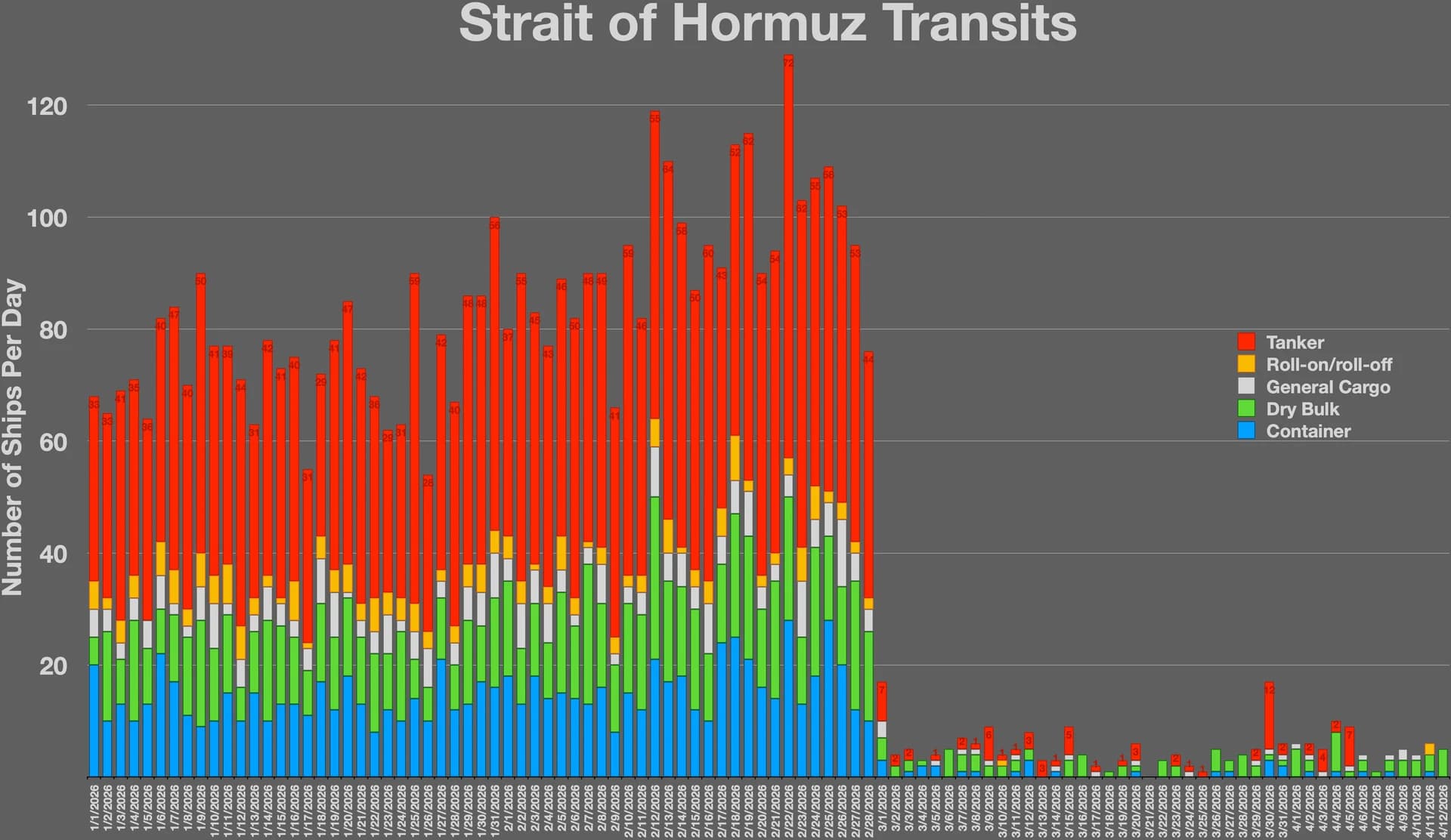
The current confrontation escalated following military strikes on February 28 that resulted in the death of Supreme Leader Ayatollah Ali Khamenei. The conflict subsequently widened as regional armed groups and regional exchanges involving missiles and drones commenced. In response to actions surrounding the strategic waterway, Washington enforced a naval counterblockade, economic sanctions, and established a task force aimed at disrupting land supply routes. According to Iranian officials, visible crude oil exports have dropped near zero, and regional forces have targeted vessels attempting unauthorized passage through restricted zones.
Mediation Efforts and Conditions for Reopening
Diplomatic channels remain largely deadlocked following the collapse of a draft agreement in June that had temporarily paused restrictions. Tehran has stated that the vital energy corridor could resume normal operations swiftly if Washington meets specific prerequisites. These conditions demand an end to hostilities, the total removal of economic sanctions, and the complete lifting of the naval blockade. Foreign Ministry representatives noted that diplomatic engagement persists through regional intermediaries, specifically highlighting the ongoing good offices and diplomatic outreach conducted by Pakistan and Qatar to address the crisis.
- Esmaeil Baghaei characterized the US naval blockade as military aggression, citing UN Charter Article 51.
- The broader conflict intensified after February 28 strikes killed Supreme Leader Ayatollah Ali Khamenei.
- Mediators from Pakistan and Qatar are actively attempting to negotiate an end to the crisis.
Spotted an error? · Our editorial policy
UP NEXTBJP and Samajwadi Party Trade Barbs Over Religious Symbolism Ahead of 2027 UP PollsSwipe more stories · World PoliticsQuick cards, a few lines each. Tap to open.More from World Politics
India Narrows Power Gap With China in 2026 Asia Power Index, Modi Ranked Second Most Effective Regional Leader
China Signals Willingness to Ease Business Visa Rules for Indian Nationals Amid Reports of Curbs
COP31 Climate Summit Closes in Turkey Without Final Agreement After Fossil Fuel Stalling