COP31 Climate Summit Closes in Turkey Without Final Agreement After Fossil Fuel Stalling
The COP31 global climate summit in Antalya concluded without adopting a final cover text after major fossil fuel producers blocked mentions of oil and gas, prompting an EU-led rejection of the compromise.

- COP31 talks in Antalya, Turkey, ended without a final consensus agreement after fossil fuel references were omitted from draft texts.
- Saudi Arabia and Russia blocked fossil fuel mentions, while an EU-led coalition rejected a compromise proposal that swapped energy language for electrification pledges.
- The summit failed to meet funding targets for climate adaptation, leaving the official Pacific climate fund short of its 2026 goal.
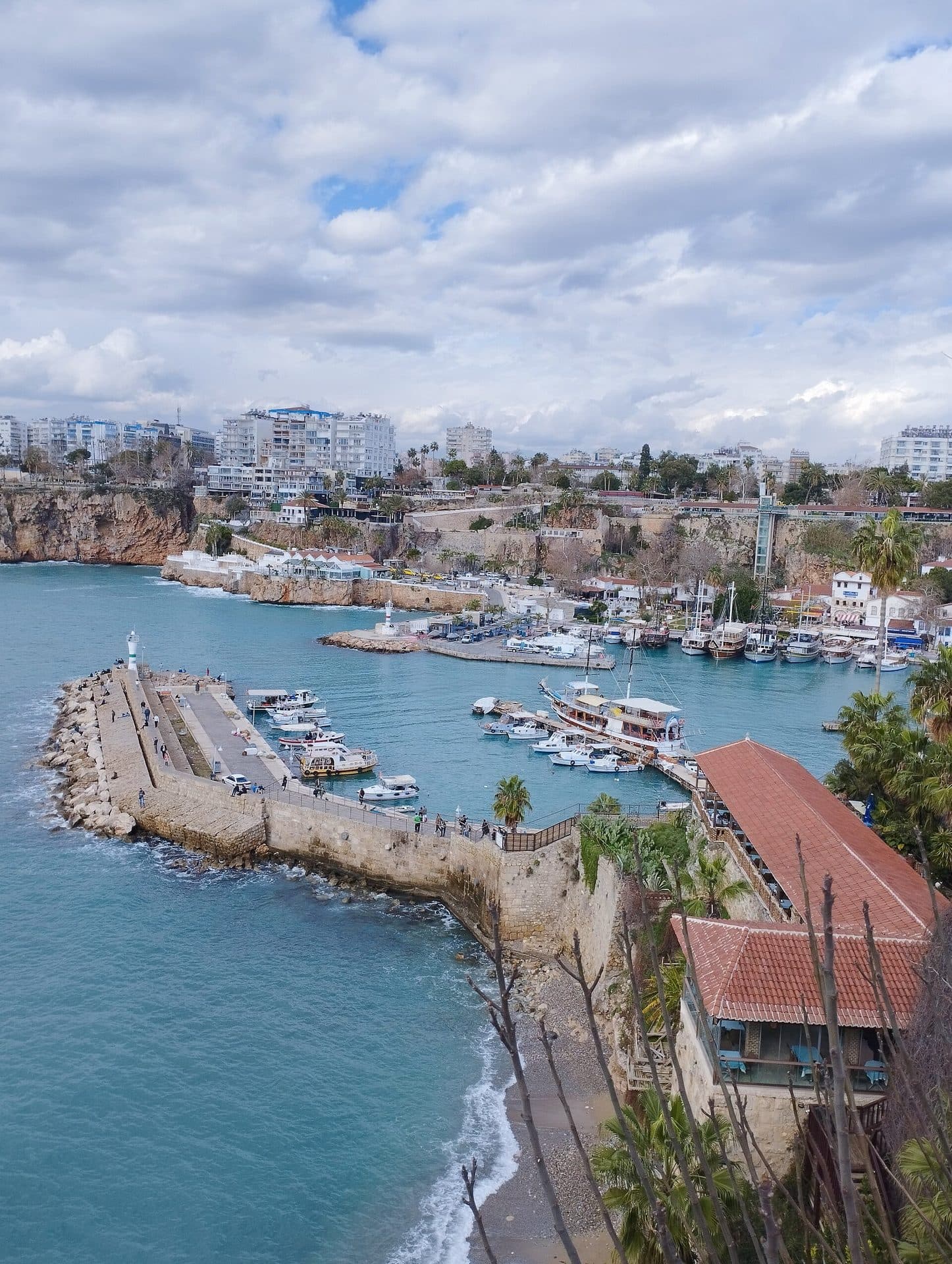
The COP31 global climate conference in Antalya, Turkey, concluded two days past its scheduled deadline without a finalized consensus agreement, after a coalition of major fossil fuel-producing nations successfully blocked any reference to fossil fuels in the negotiating texts. The European Union spearheaded a rejection of the compromise text proposed by the Turkish and Australian conveners, arguing that omitting core drivers of global warming rendered the international process inadequate amid accelerating climate impacts and rising temperatures.
The Deadlock Over Fossil Fuel Language
Negotiations stalled over the exclusion of fossil fuels, mirroring persistent divisions seen at prior summits. Major exporters Saudi Arabia and Russia resisted any textual references to phasing out or transitioning away from oil and gas. To bridge the divide, Australia and Turkey floated a compromise that would trade fossil fuel references for commitments supporting electrification paired with clean energy. While this proposal reportedly satisfied Saudi Arabia, it triggered pushback from the European Union, Panama, the Marshall Islands, Vanuatu, and Belize, resulting in the collapse of support for the overarching cover text.
Amid official gridlock, alternative pathways emerged. Brazil advanced a global strategy roadmap to phase out fossil fuels outside formal negotiations, gaining backing from India, Germany, Nigeria, and European Union member states. Separately, over 75 countries and 180 businesses endorsed the voluntary "35 by 35" electrification pledge, aimed at raising electricity's share of global final energy consumption from approximately 23 percent to 35 percent by 2035.
Implementation Focus and Financial Shortfalls
Promoted as an implementation summit overseen by Australia as president of negotiations, the formal sessions addressed emissions reduction actions and adaptation support. However, longstanding financial disputes persisted. Developed nations called for accelerated emissions cuts, while developing nations and African representatives argued that such measures require adequate financial resources. EU Climate Commissioner Wopke Hoekstra had previously stated that new climate finance talks were dead in the water, urging a focus on existing commitments.
The summit failed to produce concrete advances toward tripling adaptation funding pledged at COP30 in Brazil, and rich nations merely reaffirmed existing contributions. Consequently, the official Pacific climate fund remained A$450 million short of its 2026 target of $749 million. Amid these shortfalls, the Solomon Islands announced a $600,000 contribution to the Green Climate Fund, while minor new pledges were introduced by Canada and Norway.
Scientific Reporting and Leadership Responses
Discussions were further complicated by disputes surrounding the publication of scientific reports from the Intergovernmental Panel on Climate Change, which faced resistance from a small bloc of fossil fuel-producing countries. With the cover text rejected, formal statements endorsing the release of the latest climate science failed to secure approval, leaving only technical conclusions expressing concern over escalating climate impacts.
Reflecting on the outcome, Australian Climate and Energy Minister Chris Bowen stated that his negotiating team left nothing on the field against unbridgeable red lines. Fijian Climate Minister Lynda Tabuya acknowledged those efforts, noting that the impasse stemmed from broader systemic divisions among participating parties rather than convention management.
- The COP31 summit concluded in Antalya, Turkey, without adopting a overarching cover text due to disagreements over fossil fuels.
- Saudi Arabia and Russia blocked fossil fuel references, prompting the European Union and allied nations to reject the proposed compromise.
- Climate finance targets fell short, leaving adaptation funds below their planned 2026 targets.
Spotted an error? · Our editorial policy
UP NEXTJensen Huang Reinstated as Nvidia Chief Executive After Eleven-Day AbsenceSwipe more stories · World PoliticsQuick cards, a few lines each. Tap to open.More from World Politics
Iran Threatens All Available Means to Break US Naval Blockade in Strait of Hormuz
India Narrows Power Gap With China in 2026 Asia Power Index, Modi Ranked Second Most Effective Regional Leader

China Signals Willingness to Ease Business Visa Rules for Indian Nationals Amid Reports of Curbs