South Korea’s Kospi Index Suffers Historic Reversal Following AI Boom Collapse
South Korea’s Kospi index surged 116% by late June before tumbling amid a record $154 billion foreign fund exodus, reducing its annual gain to 17%.

- The Kospi index surged 116% through late June before paring gains to 17% for the year amid a $154 billion foreign capital exodus.
- Samsung Electronics and SK Hynix drove nearly 80% of the first-half rally but suffered drops of 50% and 62% respectively from their peaks.
- Unprecedented trading suspensions and circuit breakers were implemented throughout the year to manage extreme market volatility.
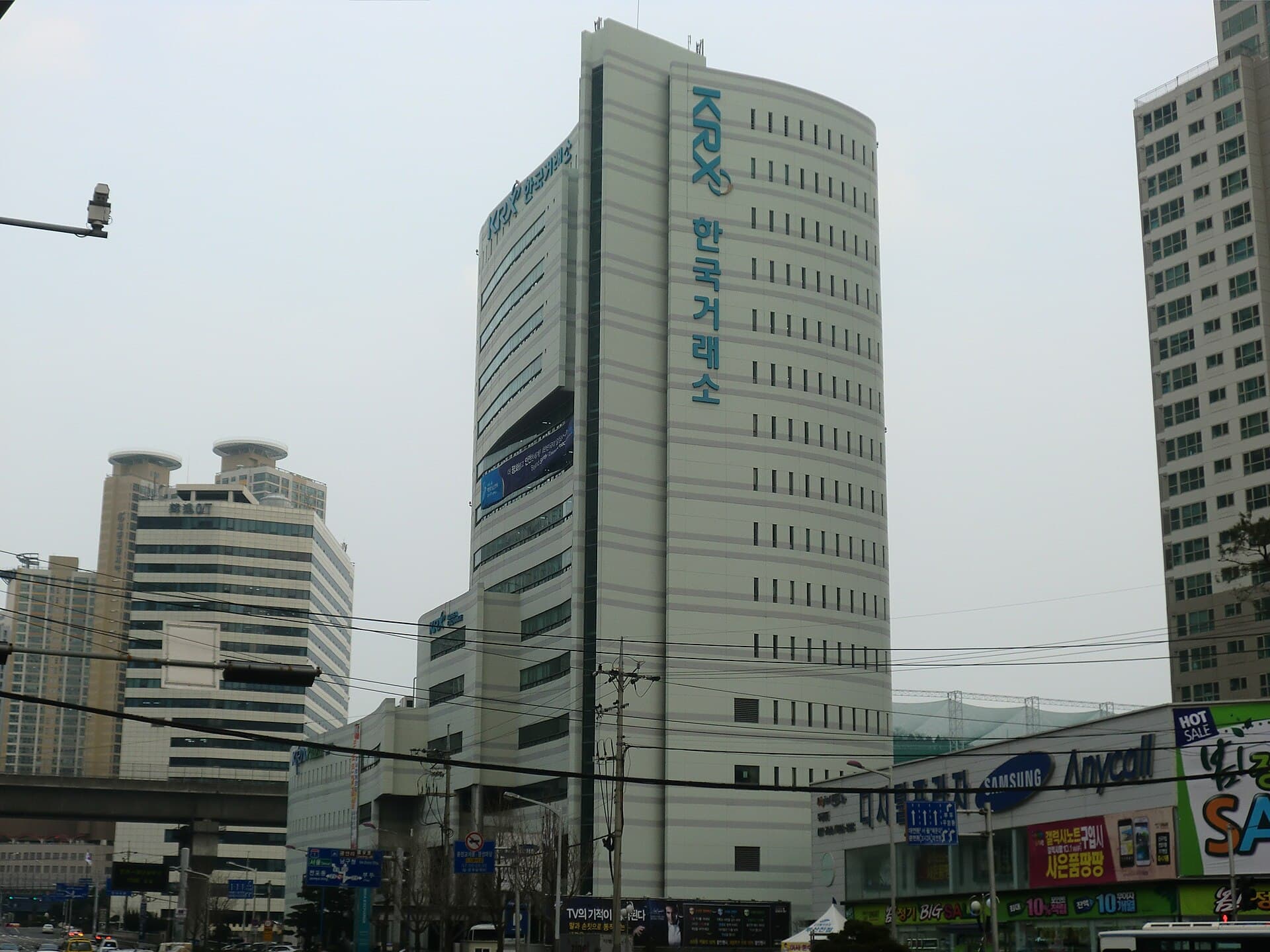
South Korea’s benchmark stock index experienced a dramatic reversal in 2026, dropping sharply after hitting a peak fueled by global artificial intelligence demand. The Kospi surged as much as 116% through late June before unravelling as sentiment toward technology equities deteriorated. This massive swing left the index with a year-to-date gain of just 17%, accompanied by a record $154 billion outflow of foreign capital. Market participants compared the extreme volatility unfavorably against past historical disruptions, noting a pervasive sense of fatigue that eclipsed earlier financial crises.
Concentration Risks and Leveraged Retail Trading
The explosive early-year advance was heavily concentrated in two dominant memory chip manufacturers, Samsung Electronics Co. and SK Hynix Inc., which accounted for nearly 80% of the market's first-half gains. As these high concentration risks built up, retail investors amplified their exposure through leveraged exchange-traded funds and margin borrowing. When the artificial intelligence narrative faltered, foreign investors continuously sold their positions while retail leverage unwound rapidly. Consequently, Samsung shares declined by approximately half from their June peak following a prior sevenfold increase from the end of 2024, while SK Hynix fell roughly 62% from its high after multiplying nearly seventeenfold.
Market Volatility and Regulatory Interventions
The intense turbulence triggered an unprecedented volume of trading suspensions on the exchange, ranging from broad market-wide 20-minute circuit breakers to targeted intraday cooling mechanisms. Institutional analysts pointed out that the combination of heavy leverage, crowded positioning, and single-theme exposure turned a strong fundamental trend into a destabilizing market shock. According to Shawn Oh, head of Korea cash equities at NH Investment & Securities Co., the environment created severe psychological strain for market participants. Meanwhile, portfolio managers like Calvin Yeoh at Blue Edge Advisors Pte described the daily price swings as excessively unpredictable for active risk management.
Divergent Earnings Projections and Future Outlook
Despite the steep downward correction in share prices, aggregate one-year forward earnings estimates for Kospi member companies rose by nearly 32% following the June peak. Analysts debate whether heavyweight chipmakers can meet these elevated profitability targets to support future valuations. William Bratton of BNP Paribas SA suggested that current equity prices might already be accounting for fundamental deteriorations that forecasters have yet to incorporate. Moving forward, money managers such as George Efstathopoulos of Fidelity International anticipate a transition toward a more selective market focused on cash flow and shareholder returns rather than multiple expansion alone.
Investor Reallocations and Alternative Strategies
International asset managers expressed contrasting strategies regarding their future exposure to the region. Maxence Visseau of Arkevium Capital downgraded his allocation to underweight and shifted capital toward markets in India and China, citing ongoing structural dependence on the global chip cycle. Conversely, select investors sought shelter in non-tech sectors, with GAO Capital Pte CEO Chauwei Yak maintaining investments in consumer companies like snack maker Orion Corp. Other firms, including Vantage Point Asset Management Pte, indicated a willingness to cautiously reevaluate domestic Korean equities as valuations adjust to calmer trading conditions.
- The Kospi index gave up most of its 116% mid-year gain, closing with a modest 17% yearly increase.
- A record $154 billion left South Korean equities as foreign investors pulled out amid falling chip demand.
- Heavy reliance on leveraged retail trading in Samsung and SK Hynix exacerbated the downward spiral.
- South Korea’s benchmark stock index experienced a dramatic reversal in 2026, dropping sharply after hitting a peak fueled by global artificial intelligence demand.
Spotted an error? · Our editorial policy
UP NEXTKeralam Health Minister Alleges Conspiracy Against Public Healthcare SectorOther angles · #Artificial Intelligence
Timeline →- NewsNvidia Co-Founder Jensen Huang Returns to Leadership Amid Industry Backlash and Political Intervention
- NewsSoftware Firm SAP Plans Workforce Reduction of At Least 10,000 Positions for AI Shift
- NewsNvidia Halts AI Server Hardware Shipments to Four Southeast Asian Nations
- NewsElon Musk Pledges SpaceX Shares Worth Billions to American Children Following Satellite Approval
More from Markets
Indian Equities Fall as Sensex Drops 989 Points and Nifty Slips Below 25,650
Indian Equity Indices Pull Back Following Two-Day Gains
Indian Benchmarks Open Lower as IT and Banking Stocks Drag, Crude Prices Rise