Opposition Targets CEC Gyanesh Kumar Over Proposed Delimitation Bill and Commission Role
Chief Election Commissioner Gyanesh Kumar is facing renewed opposition scrutiny as the Delimitation (Second) Bill, 2026, positions the poll body head to potentially oversee the redrawing of India’s electoral boundaries.

- Chief Election Commissioner Gyanesh Kumar may serve on or nominate a commissioner for the Delimitation Commission under the Delimitation (Second) Bill, 2026.
- Opposition leaders, including Rahul Gandhi and Mallikarjun Kharge, have criticized the appointment and raised concerns over the commission's powers.
- Section 11(2) of the bill states that the commission's final orders have the force of law and cannot be contested in court.
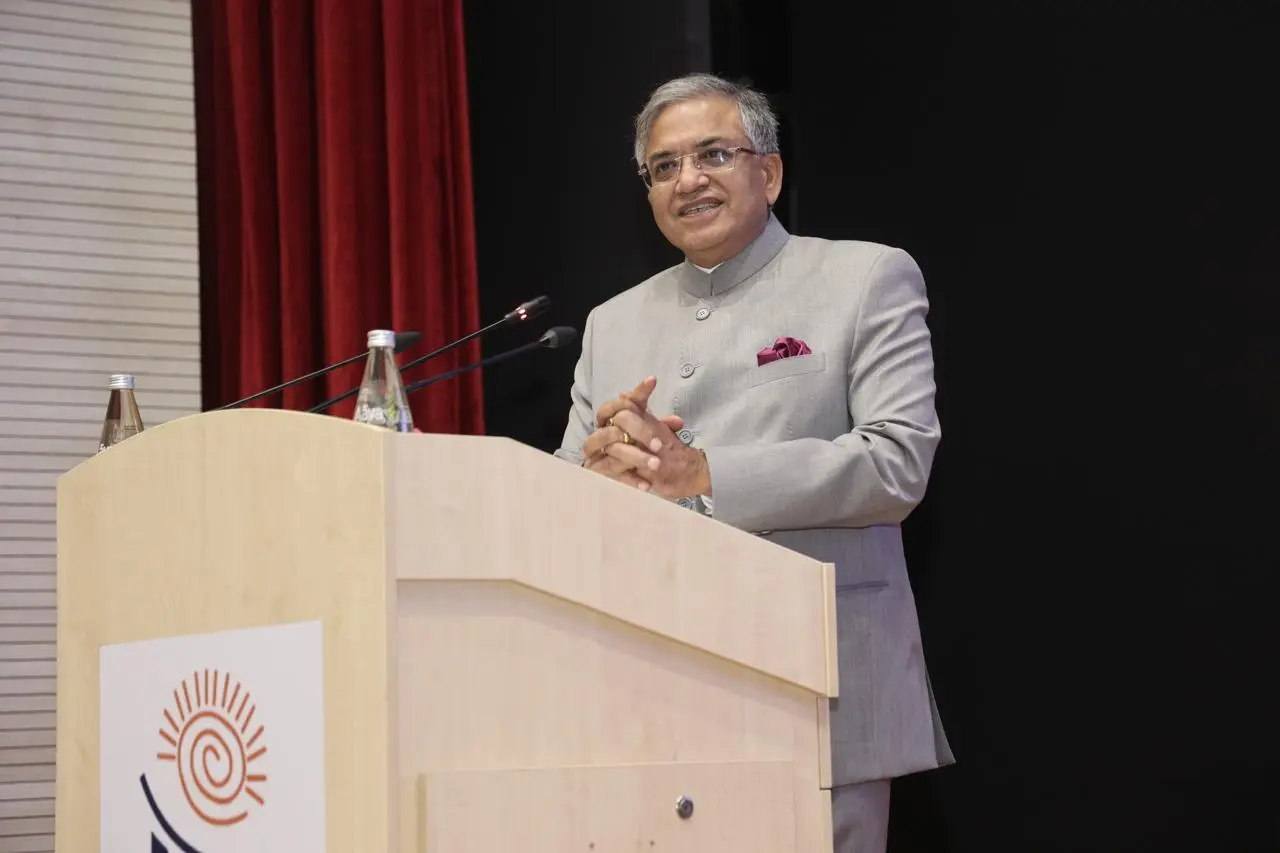
Chief Election Commissioner Gyanesh Kumar has once again become a central figure in political friction, as opposition parties raise concerns regarding his prospective role in the upcoming national delimitation exercise. Under the provisions of the Delimitation (Second) Bill, 2026, the head of the election authority is designated as an ex officio member of the newly proposed Delimitation Commission. Alternatively, the legislation grants the Chief Election Commissioner the discretion to nominate either of the two serving Election Commissioners, Sukhbir Singh Sandhu or Vivek Joshi, to take his place on the panel. Government sources indicate that the nationwide redrawing process is projected to conclude within a span of two years, ahead of the 2029 Lok Sabha elections, while Gyanesh Kumar's official tenure is scheduled to run until January 26, 2029.
Political Confrontation and Removal Notices
Opposition leaders have sharply criticized the inclusion and authority of the Election Commission in the proposed redrawing of constituencies. Lok Sabha Leader of the Opposition Rahul Gandhi publicly claimed that the electoral administration had been co-opted, alleging that the Chief Election Commissioner would manage the delimitation process alongside executive backing. These remarks followed earlier tensions stemming from the Special Intensive Revision of electoral rolls, during which roughly 193 opposition parliamentarians submitted formal notices seeking the removal of Gyanesh Kumar on grounds of alleged bias. Presiding officers in both parliamentary houses previously rejected these notices due to insufficient valid reasoning. Congress president Mallikarjun Kharge also voiced strong objections during a public gathering, asserting that free and fair polls would remain unachievable under the current leadership.
Composition and Sweeping Powers of the Commission
According to Section 3 of the Delimitation (Second) Bill, the commission will be chaired by a current or retired judge of the Supreme Court appointed by the central government. Alongside the judicial chairperson, the panel will consist of the Chief Election Commissioner or an appointed election commissioner, alongside the respective state election commissioner acting in an ex officio capacity. A secretariat official from the election body will serve as the panel's secretary. Opposition parties have expressed deep apprehension over Section 11(2) of the bill, which dictates that final orders issued by the commission possess the force of law and cannot be challenged in any judicial court. While the legislation mandates public consultations, draft publication periods, and the inclusion of non-voting associate members from state legislatures, critics argue that the institutional framework grants excessive control to the ruling administration.
Historical Context and Defenses
Defending the institution, representatives of the ruling Bharatiya Janata Party dismissed the opposition's assertions as baseless frustration, while the election authority previously rejected allegations of electoral irregularities and voter roll manipulation. Historical precedents for delegation exist, such as the 2020 delimitation framework for Jammu and Kashmir where the then Chief Election Commissioner Sunil Arora delegated participation to Election Commissioner Sushil Chandra. Gyanesh Kumar assumed office as an Election Commissioner in March 2024 and subsequently took charge as Chief Election Commissioner in February 2025 under legislation that modified the selection committee structure. As Parliament prepares for a special sitting, opposition factions continue to demand a long-term freeze on state seat shares and contest the broad procedural mandate given to the commission.
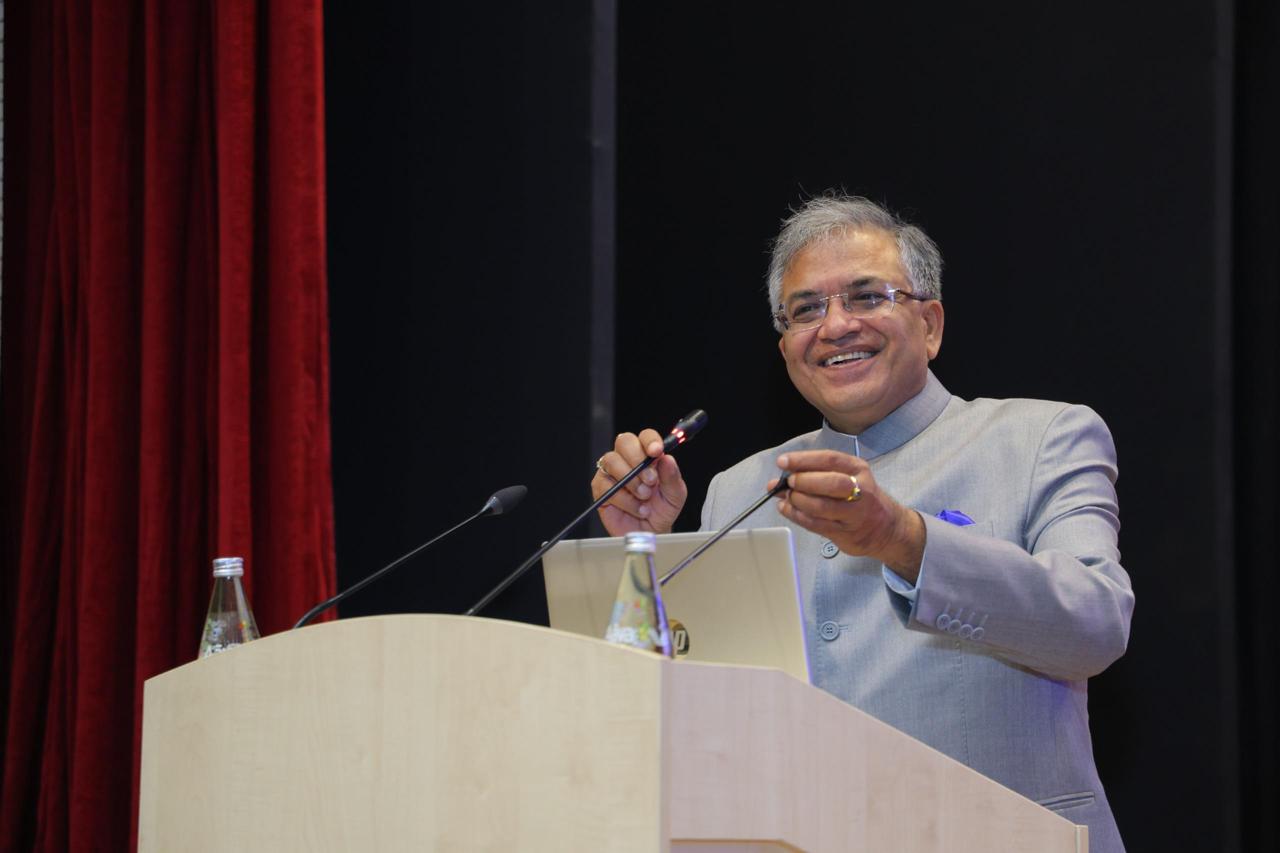
- The Delimitation (Second) Bill, 2026 places the CEC or a nominated election commissioner on the redrawing panel.
- Opposition MPs previously attempted to remove Gyanesh Kumar over electoral roll revisions.
- The bill's orders carry the force of law and are insulated from judicial challenges under Section 11(2).
- Chief Election Commissioner Gyanesh Kumar has once again become a central figure in political friction, as opposition parties raise concerns regarding his prospective role in the upcoming national delimitation exercise.
Spotted an error? · Our editorial policy
UP NEXTBangladesh Stalwart Mushfiqur Rahim to Retire From Test Cricket in February 2027Other angles · #Delimitation Bill
Timeline →- NewsMamata Banerjee Rejects Delimitation Bill as Opposition Debates Women’s Reservation Ahead of Parliament Session
- NewsMVA Aligns in Turmoil as Delimitation Bill Sparks Clash Between Congress, Shiv Sena (UBT), and NCP (SP)
- NewsTrinamool Congress Issues Lok Sabha Whip Ahead of Special Parliament Session on Delimitation Bill
- NewsSanjay Raut Slams Sharad Pawar Over Reported Plan to Back Delimitation Bill
More from Indian Politics
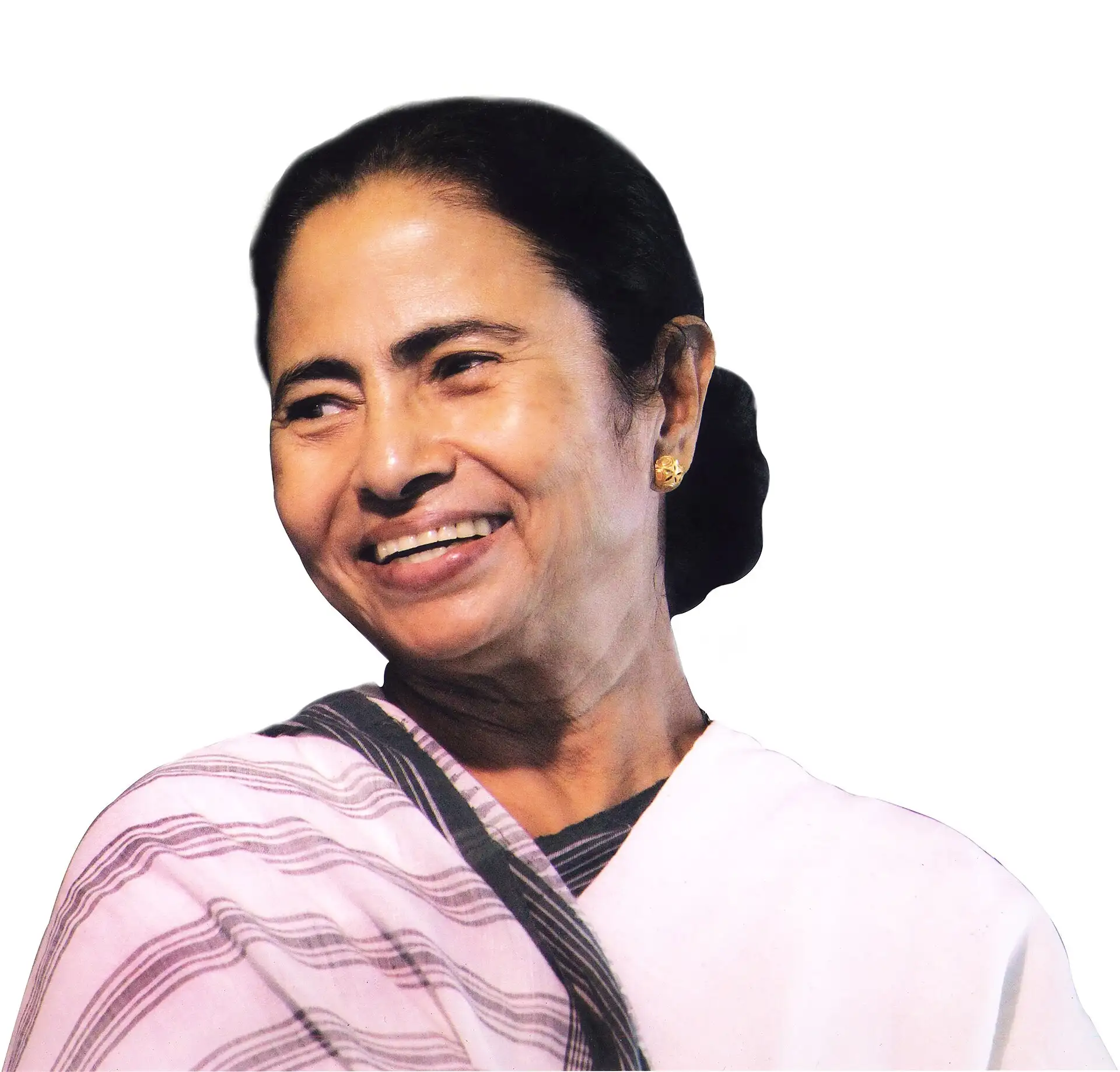
Mamata Banerjee Rejects Delimitation Bill as Opposition Debates Women’s Reservation Ahead of Parliament Session
Opposition Criticizes Proposed Constitutional Amendment on Delimitation
Rahul Gandhi Urges Political Parties to Oppose Upcoming Constitution Amendment Bill