India Challenges UN Resolution Process Following Exclusion from Consultations
India voted against a UN-OIC cooperation resolution, citing an exclusionary and non-transparent consultation process led by Turkiye.

- India voted against a UN-OIC cooperation resolution citing exclusionary tactics.
- Ambassador Yojna Patel criticized the facilitator, Turkiye, for bypassing specific delegations.
- India, Cyprus, Greece, Israel, Armenia, and the United States voted against the draft.
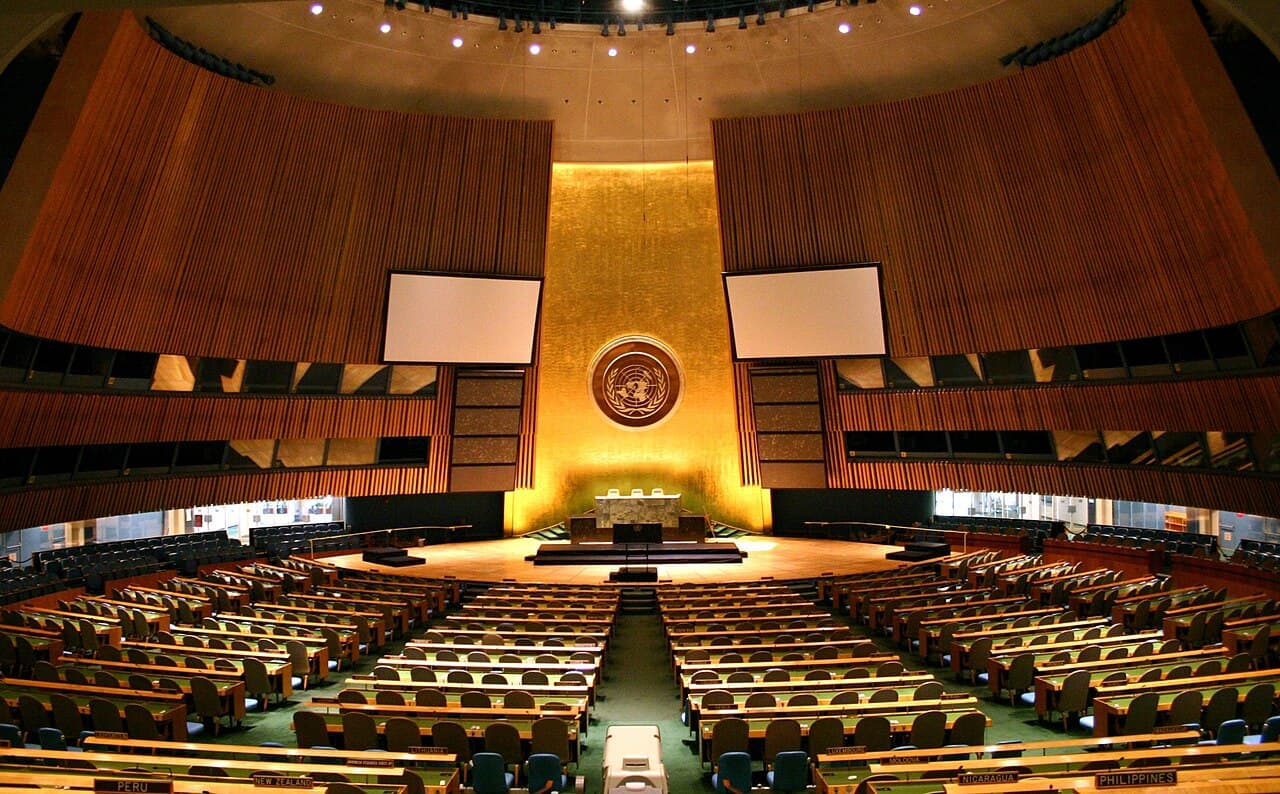
India officially registered its opposition to a United Nations General Assembly resolution concerning cooperation between the UN and the Organisation of Islamic Cooperation (OIC), following a diplomatic dispute regarding the negotiation process. The resolution, introduced by Iraq, was ultimately adopted with 112 votes in favor, while six nations voted against it and 39 abstained. Along with India, those voting against the measure included Armenia, Cyprus, Greece, Israel, and the United States.
Concerns Over Procedural Integrity
India’s Deputy Permanent Representative to the UN, Ambassador Yojna Patel, articulated strong objections to the working methods employed by the resolution’s facilitator, Turkiye. According to the Indian delegation, the Permanent Observer Mission of the OIC intentionally bypassed India and several other countries while distributing consecutive drafts of the text. Patel characterized this behavior as an attempt to deceive delegations by framing the negotiation as a minor technical update rather than an inclusive intergovernmental process.
Highlighting the impact of these methods, the Indian representative called upon the President of the General Assembly to initiate an investigation to prevent such exclusionary practices from recurring. Several other nations echoed these sentiments, with Cyprus expressing regret over a lack of transparency and Greece raising significant concerns regarding the conduct of the negotiations. Representatives from Cyprus emphasized that the inclusion of all UN member states is a fundamental requirement under the UN Charter, rather than a matter of discretionary choice for a facilitator.
Objections to Substantive Content
Beyond the procedural complaints, India raised substantive issues regarding the resolution. Ambassador Patel argued that the OIC lacks the status of a regional organization, questioning the necessity of expanding its role within the UN framework. Furthermore, India expressed deep dissatisfaction with references in the draft to an OIC ministerial conference held in Islamabad, which included remarks concerning Jammu and Kashmir. India reiterated that it rejects these references, asserting that the OIC has no authority to comment on India's internal affairs.
India cautioned that the OIC is being systematically misused by certain member states to further narrow political objectives. The delegation underscored the belief that sovereign nations are responsible for the welfare of all their citizens, regardless of religious identity, and rejected the notion that protection should be limited by faith. India concluded by calling on the OIC to return to principles of constructive dialogue and objectivity, urging the body to avoid becoming a platform for targeted political campaigns.
- India formally opposed the UN-OIC resolution due to a lack of transparency and inclusivity in the drafting process.
- Several countries, including Greece and Cyprus, supported India's critique regarding the facilitator's conduct.
- India maintains that the OIC is being used by specific members to push political agendas against it.
- India officially registered its opposition to a United Nations General Assembly resolution concerning cooperation between the UN and the Organisation of Islamic Cooperation (OIC), following a diplomatic dispute regarding the negotiation process.
Spotted an error? · Our editorial policy
UP NEXTSanjay Kapoor Stars in ‘Unexpected – Safed Sach’ Based on 2024 Dehradun CaseOther angles · #diplomacy
Timeline →- NewsIndia Declines Comment on Bangladesh Leader’s Remarks Regarding Alleged Conspiracies
- NewsGerman Chancellor Friedrich Merz Announces Upcoming Peace Talks for Ukraine
- NewsNetherlands and Sweden Summon Russian Ambassadors After Kyiv Embassy Incidents
- NewsMossad Chief Lobbies Washington for Renewed Joint Strikes Against Iran
More from Indian Politics
Arunachal Organisations Appeal to Amit Shah to Cancel 11,200-MW Siang Mega Dam

Former Kerala Sports Minister Named as Accused in Lionel Messi Event Probe
Parliament’s Monsoon Session Sets Record at 100 Days Unprorogued Amid Delimitation and Reservation Speculation