Mossad Chief Lobbies Washington for Renewed Joint Strikes Against Iran
The head of the Israeli intelligence agency and a senior aide to Benjamin Netanyahu have held talks in the United States to advocate for resumed military action against Tehran.

- Mossad chief Roman Gofman visited Washington to advocate for joint US-Israeli strikes on Iran.
- The push for military action comes as Gulf states urge the US to avoid further escalation.
- White House officials maintain that economic pressure is effective, though all options remain on the table.
The head of Israel's Mossad intelligence agency, Roman Gofman, recently visited the United States to press American officials for a new series of joint military strikes against Iran. The diplomatic push, which also involved long-time Benjamin Netanyahu confidant Ron Dermer, occurred amid an ongoing effort by the Israeli leadership to influence White House policy regarding the conflict that began in February.
High-Level Meetings in Washington and Miami
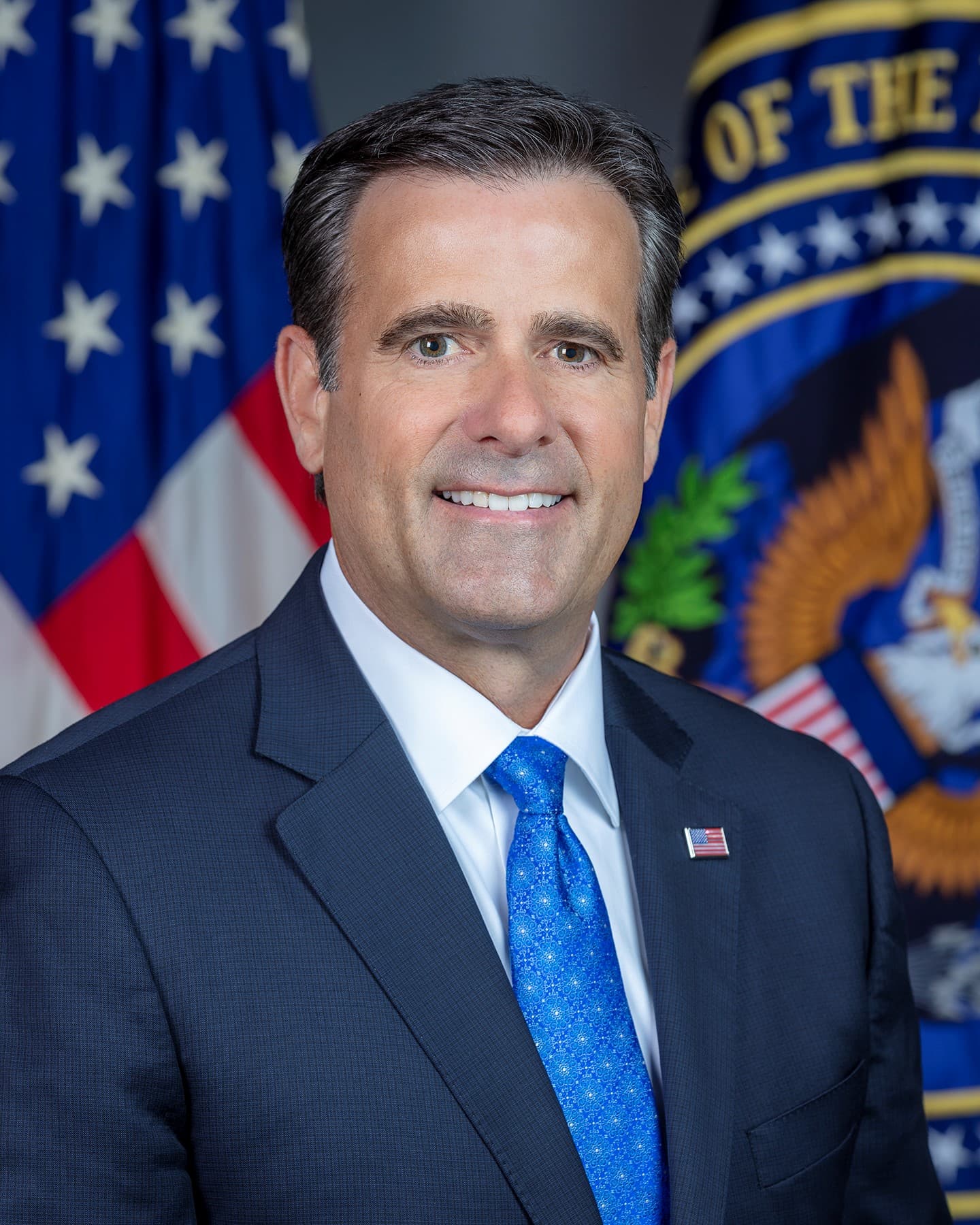
During his stay in Washington last week, Gofman met with key figures in the Trump administration, including CIA Director John Ratcliffe. Reports indicate that the primary objective of these briefings was to present recent Israeli intelligence assessments regarding Tehran's current nuclear capabilities and regional activities. Following his time in the nation's capital, the Mossad director traveled to Miami to hold discussions with Steve Witkoff, a special envoy serving in the Trump administration who has been central to diplomatic portfolios concerning both Ukraine and Iran.
Conflicting Pressures on the White House
The visit by Israeli officials comes as President Donald Trump navigates competing demands from various international stakeholders. On November 9, the president signaled a potential pause in aggressive military action following a discussion with the prime minister of Qatar, a nation that has served as an intermediary in back-channel negotiations between Washington and Tehran. This mediation is largely aimed at preventing the regional instability from escalating into a full-scale, uncontrolled war.
Simultaneously, leaders from several Gulf states have directly approached the White House to discourage further escalation. These regional actors have expressed concerns that renewed direct strikes on Iranian soil could prompt retaliatory measures, potentially resulting in direct attacks on Gulf Arab states. This diplomatic pressure highlights the precarious position faced by the Trump administration as it attempts to balance its "economic pressure" strategy against the desire for a decisive conclusion to the hostilities.
The Netanyahu Administration's Strategic Outlook
The lobbying efforts by Gofman and Dermer occur during a period of significant political instability for Benjamin Netanyahu. Currently serving as a caretaker prime minister, he faces mounting skepticism from political rivals who allege that he is attempting to prolong or intensify the regional conflict to improve his electoral prospects. Netanyahu has consistently dismissed these accusations, maintaining that his focus is purely on national security.
According to sources familiar with the discussions, the Israeli government views the current window for military action as rapidly closing. There is particular anxiety in Tel Aviv that the United States might reduce its regional military footprint before the conclusion of the calendar year. Despite these arguments, internal Israeli military assessments suggest that Iran does not currently represent an immediate threat to the nation, which implies that a fresh round of major combat operations is not viewed as an operational necessity by the Israeli defense establishment.
Uncertainty Over Military Objectives
While the Trump administration has maintained that its existing economic policies have severely strained the Iranian state, White House officials have clarified that the president retains all available options to prevent Iran from developing nuclear weapons. However, officials also noted that current levels of economic strain have rendered large-scale combat unnecessary in the president's current view. Despite this, the region has seen persistent low-level friction, including recent US strikes on an Iranian island and subsequent Iranian-backed attacks on Kuwait and Bahrain.
European diplomats have also weighed in on the situation, expressing skepticism regarding the strategic benefits of further military escalation. These officials pointed out that while the Iranian economy is undoubtedly struggling under international sanctions, there is no evidence that the regime is nearing a state of total collapse. Consequently, they questioned what specific long-term outcomes could be realistically achieved through additional airstrikes or joint operations, given the risks of broadening the theater of conflict. As of now, the administration has provided conflicting signals, alternating between firm threats to expand military operations and statements suggesting a desire to de-escalate the ongoing crisis.
- Mossad Director Roman Gofman and Netanyahu aide Ron Dermer lobbied US officials for military action against Iran.
- Gulf Arab states have warned the Trump administration that further strikes could lead to regional retaliation.
- The US has sent mixed signals regarding its future military involvement, while European observers doubt the efficacy of more strikes.
Spotted an error? · Our editorial policy
UP NEXTSanjay Kapoor Stars in ‘Unexpected – Safed Sach’ Based on 2024 Dehradun CaseOther angles · #diplomacy
Timeline →- NewsIndia Declines Comment on Bangladesh Leader’s Remarks Regarding Alleged Conspiracies
- NewsGerman Chancellor Friedrich Merz Announces Upcoming Peace Talks for Ukraine
- NewsNetherlands and Sweden Summon Russian Ambassadors After Kyiv Embassy Incidents
- NewsPrime Minister Modi Observes Redevelopment Ceremony at Historic Manila Gurdwara
More from World Politics
Donald Trump Jokingly Asks White House Chief of Staff Stephen Miller About 2028 Presidential Run
Trump Discusses Nuclear Buildup and AI Safeguards Following Trilateral Summit with Xi and Putin

Trump Threatens Heavy Taxes on US Firms Constructing Data Centers Overseas