World Bank Partners with CAG to Audit Financial Performance of 101 Indian Cities
The Comptroller and Auditor General is launching a multi-year, thematic audit of 101 cities with technical assistance from the World Bank to improve municipal governance.

- The CAG will audit 101 cities over several years with World Bank technical assistance.
- Each year of the audit will focus on a specific sector, starting with urban mobility.
- The project aims to improve municipal revenue collection, financial management, and service delivery transparency.
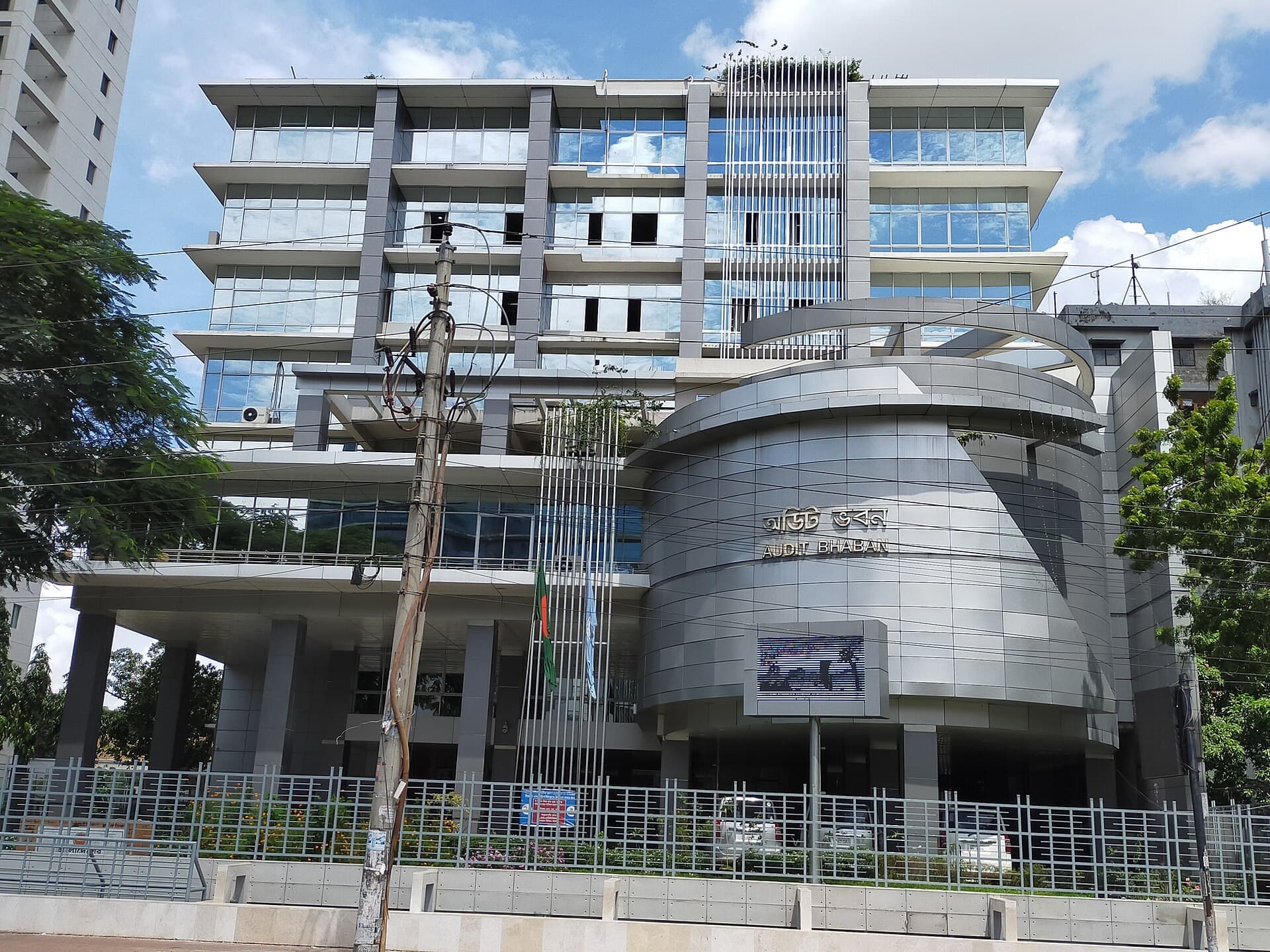
The Comptroller and Auditor General (CAG) of India has initiated a multi-year audit program targeting 101 cities to evaluate how municipal bodies manage finances, deliver public services, and develop infrastructure. The project, titled 'Strengthening Audit Capacity and Governance Accountability in India's Urban Sector,' is supported by the World Bank, which is providing technical expertise and international best practices to the national auditor.
Thematic Audit Approach
CAG K. Sanjay Murthy announced that the audit will utilize a sectoral approach, focusing on a different urban theme each year to ensure a holistic assessment of municipal performance. The inaugural phase of the project is dedicated to urban mobility, with future cycles scheduled to cover water and sanitation, housing, air quality management, and the creation of liveable urban environments.
Focus on Municipal Finance
The initiative, endorsed by the Department of Economic Affairs, comes as urban local bodies face increasing pressure to improve financial sustainability. According to documentation from a recent two-day workshop in New Delhi, the audits will increasingly examine municipal revenue mobilization, debt-servicing capacity, contingent liabilities, and the bankability of infrastructure projects. The objective is to shift the audit focus from basic transactional tracking toward assessing outputs, value for money, and the quality of service delivery to citizens.
- The audit will transition from tracking individual transactions to measuring overall service delivery and financial outcomes.
- The program covers 101 cities and will feature a rotating focus on themes like mobility, water, and housing.
- The initiative is intended to help cities improve their ability to generate revenue and manage debt for infrastructure projects.
Spotted an error? · Our editorial policy
UP NEXTArunachal Organisations Appeal to Amit Shah to Cancel 11,200-MW Siang Mega DamSwipe more stories · IndiaQuick cards, a few lines each. Tap to open.More from India
YouTuber Remanded to Prison Following Re-enactment of Madurai Jewellery Heist

Khadoor Sahib MP Amritpal Singh Returns to Punjab for Grandmother’s Last Rites
Delhi Court Grants Bail in Smuggling Case, Citing Constitutional Violations Over 24-Hour Detention Limit