Delhi Court Grants Bail in Smuggling Case, Citing Constitutional Violations Over 24-Hour Detention Limit
A Delhi court granted bail to a man accused of smuggling military-grade drone components, ruling that holding him under restraint for over 24 hours prior to formal arrest violated constitutional protections.

- A Delhi court granted bail to Shoaib Nawab Khan on November 18 in a drone smuggling case.
- The court ruled that keeping Khan under restraint for over 24 hours before formal arrest violated Articles 21 and 22 of the Constitution.
- Customs officials alleged the seizure of prohibited military-grade drones and accessories valued at over Rs 1 crore at IGI Airport.
A Delhi court has granted bail to Shoaib Nawab Khan, who was arrested and held in judicial custody since September 27 on allegations of smuggling prohibited drone components. Additional Sessions Judge Saurabh Partap Singh Laler issued the order on November 18, finding that the customs department breached constitutional safeguards by keeping the applicant under restraint for more than 24 hours before making a formal arrest.
Details of the Interception and Customs Allegations
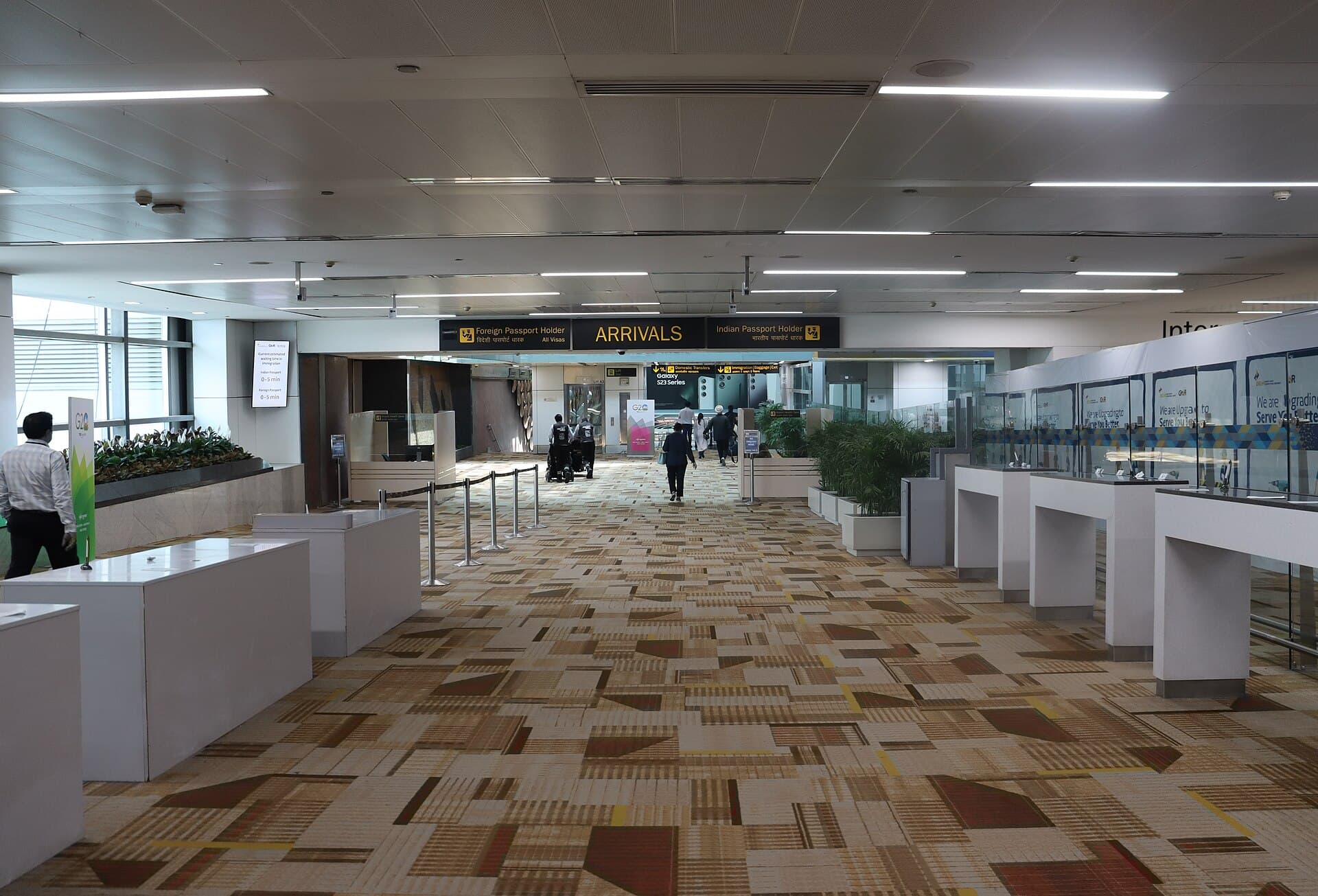
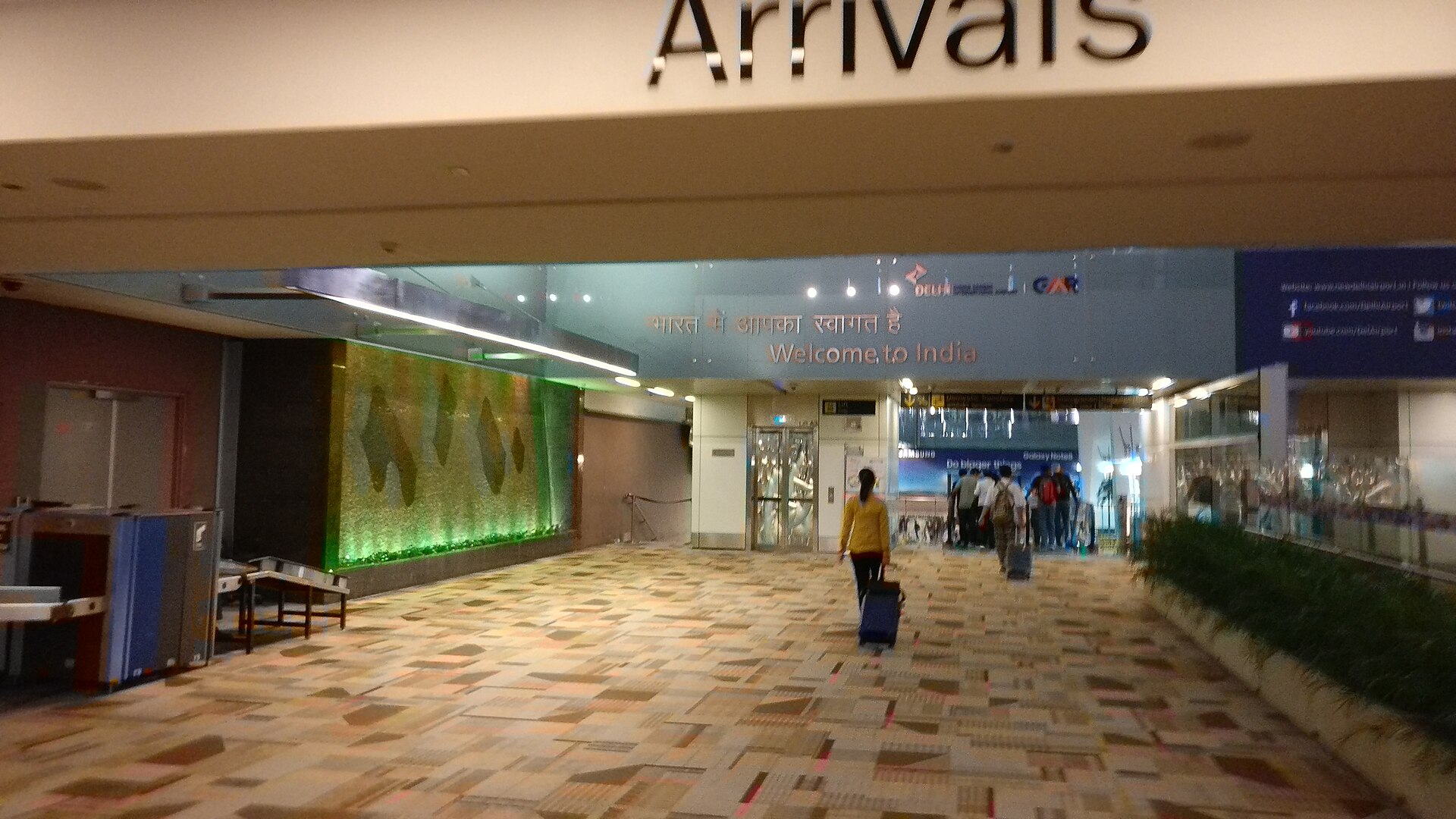
According to the prosecution, Khan and two other individuals arrived at Terminal-3 of Indira Gandhi International Airport at approximately 11 p.m. on September 25, having travelled from Hong Kong through Vietnam. Customs authorities alleged they seized ten Autel Robotics drones, alongside remote controllers, power cables, adaptors, and an iPhone, with a total estimated value exceeding Rs 1 crore. The prosecution claimed the recovered items included military-grade unmanned aerial vehicles whose import is restricted, noting that four remote controllers, ten adaptors, ten power cables, and an iPhone were found in Khan's checked-in baggage while another passenger carried the drone bodies.
Court Findings on Personal Liberty and Detention
The court determined that Khan was effectively restrained after clearing immigration on the night of September 25, but was only produced before a magistrate following a formal arrest on September 27. Addressing the customs department's argument that Khan had submitted a signed typed letter requesting to rest at the office until the next morning, the judge stated that fundamental rights cannot be voluntarily waived through such a request to legitimize prolonged de facto custody. The court emphasized that protections under Article 22(2) apply from the moment personal liberty is curtailed by restraint rather than at the recording of an official arrest, concluding that the delay violated Articles 21 and 22 of the Constitution.
Bail Conditions and Prior Rulings
Khan's initial bail application had been previously rejected by a magistrate court on October 27. In the November 18 order granting relief, Judge Laler set bail terms requiring a personal bond of Rs 1 lakh and one surety of the same amount, clarifying that the court's legal observations remain tentative and strictly limited to the current bail proceedings.
- Additional Sessions Judge Saurabh Partap Singh Laler issued the bail order on November 18.
- Constitutional protections against unlawful detention begin the moment personal liberty is restricted, not when an arrest is formally recorded.
- Bail was granted upon a personal bond of Rs 1 lakh and a matching surety.
- A Delhi court has granted bail to Shoaib Nawab Khan, who was arrested and held in judicial custody since September 27 on allegations of smuggling prohibited drone components.
Spotted an error? · Our editorial policy
UP NEXTIndia Takes Commanding 118-Run Lead Against New Zealand on Day 3 of First TestSwipe more stories · IndiaQuick cards, a few lines each. Tap to open.More from India

Prime Minister Narendra Modi Visits IIT Kharagpur for Platinum Jubilee Celebrations

Ladakh Holds First Local Body Elections Since 2019 Reorganization

YouTuber Remanded to Prison Following Re-enactment of Madurai Jewellery Heist