Supreme Court Reprimands Bihar Judge Over Conviction of Superintendent of Police
The Supreme Court rebuked a Bihar sessions judge for misapplying legal procedures after he convicted a police officer for failing to register an FIR.

- The Supreme Court rebuked a Bihar sessions judge for using courtroom contempt powers to punish a police officer for non-compliance.
- The Court clarified that failing to register an FIR does not constitute an 'offence committed in the face of the court.'
- The bench advised the judge to undergo training at the National Judicial Academy to understand legal jurisdictional boundaries.
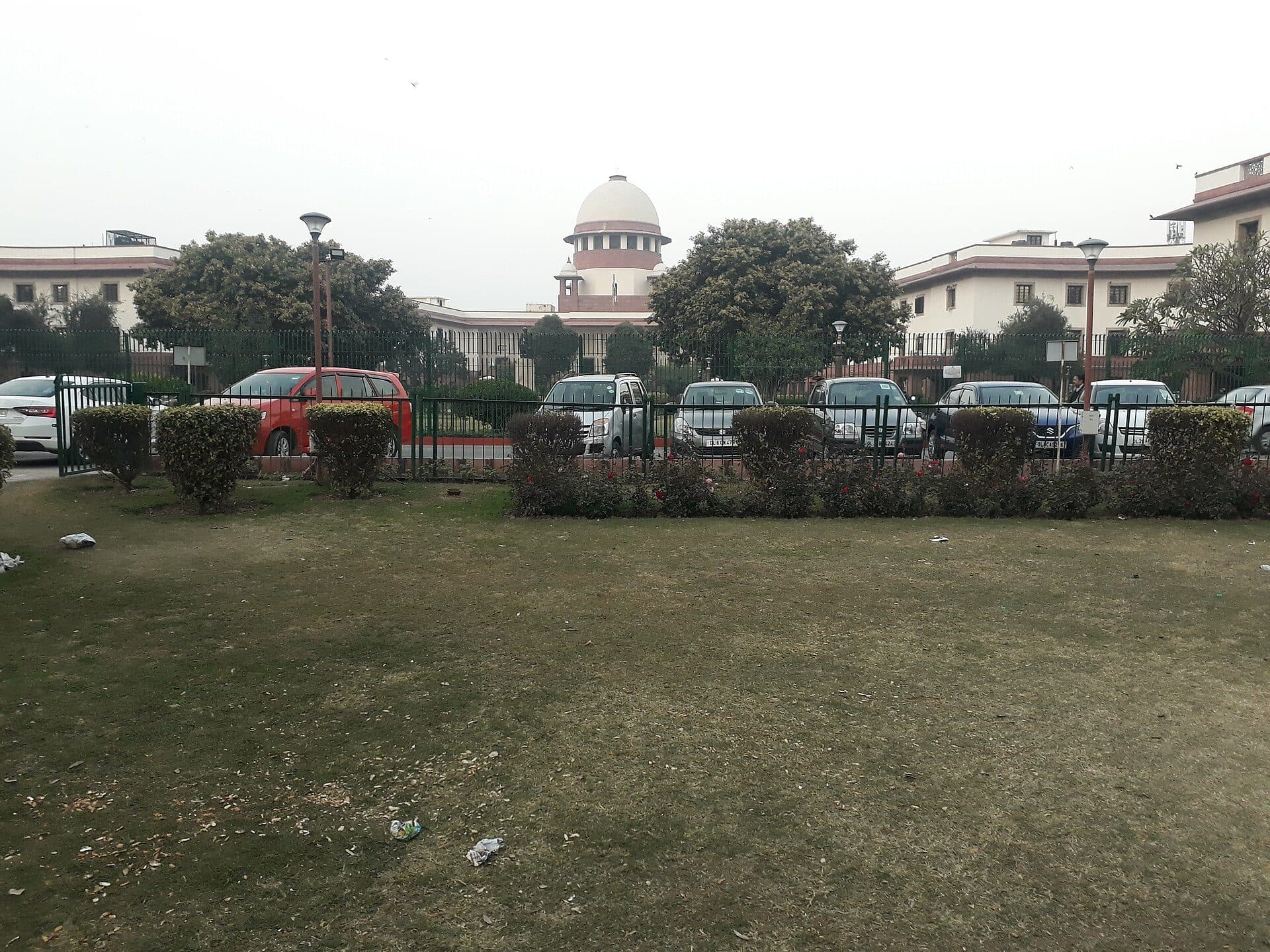
The Supreme Court of India has sharply criticized a sessions judge in Bihar, advising the judicial officer to avoid acting like a “Robin Hood” or a “Bahubali” (strongman) while carrying out his duties. The rebuke followed an appeal by the judge, identified as Anil Kumar, regarding his decision to convict and fine a Rohtas-based Superintendent of Police (SP) for failing to comply with a court directive to register a First Information Report (FIR).
Procedural Misunderstanding
During the proceedings, a bench led by Chief Justice of India Surya Kant and Justices Joymalya Bagchi and V. Mohana expressed dismay at the judge’s grasp of the law. The sessions court had treated the police officer’s non-compliance as an “offence committed in the face of the court.” The Supreme Court clarified that this legal provision is intended for acts occurring directly within the courtroom, such as physical violence, verbal abuse, or refusing to vacate the room when ordered. The bench emphasized that a failure to register an FIR—an external administrative act—does not constitute an offence that can be summarily punished under the procedural frameworks of Section 384 of the Bharatiya Nagarik Suraksha Sanhita (BNSS) or Section 345 of the Code of Criminal Procedure (CrPC).
Background of the Conflict
The dispute originated from a September 2025 order in which the sessions court directed local police to register an FIR against specific individuals. Following significant delays, during which the police took nearly 10 months to comply, Judge Kumar summoned the SP and other officials. When the officers faced challenges regarding their attendance and subsequent actions, the judge proceeded to convict the SP and impose a fine of ₹1 lakh. The judge further sought to initiate action against the officers for their failure to appear and provide explanations, asserting his authority in a manner the Supreme Court described as an overreach of jurisdiction.
Judicial Directives and Next Steps
The Patna High Court had previously intervened, labeling the situation “unprecedented” and requesting the preservation of records while noting that the original FIR order was already under appellate review. Addressing the petitioner's counsel, the Supreme Court stated that while the intent to secure justice is commendable, judicial officers must remain within the established constraints of the law. The bench suggested that the judge undergo refresher training at the National Judicial Academy to better understand the scope of his authority. The Supreme Court eventually disposed of the matter, instructing the Patna High Court to consider the judge’s upcoming response and any potential apology with appropriate consideration.
- The Supreme Court stated that judicial officers must adhere to procedural laws rather than acting as vigilantes.
- The court highlighted that summary conviction for offenses in the face of the court is limited to direct disruptions, not administrative non-compliance.
- The matter was disposed of with instructions for the High Court to handle the judge’s response and potential apology.
Spotted an error? · Our editorial policy
UP NEXTJensen Huang Reinstated as Nvidia Chief Executive After Eleven-Day AbsenceOther angles · #Bihar judiciary
Timeline →More from India

Prime Minister Modi Attends Shabad Kirtan in Delhi Ahead of Guru Nanak Dev’s Parkash Purab
Five Delhi Police Personnel Injured in Knife Attack at Jama Masjid Station

Excavator near high-risk Sheshnag Lake in Jammu and Kashmir triggers political and environmental outrage