Supreme Court Rebukes Bihar Judge for Convicting Police Superintendent Over Non-Compliance
The Supreme Court reprimanded a Bihar sessions judge for convicting a police superintendent over alleged non-compliance, telling him not to act like a Bahubali.

- Supreme Court rebuked Bihar sessions judge Anil Kumar for convicting a police superintendent over non-compliance with a court order.
- The bench clarified that disobeying a judicial direction outside the courtroom does not constitute an offence committed in the face of the court.
- The Supreme Court asked the Patna High Court to sympathetically consider the judicial officer's apology.
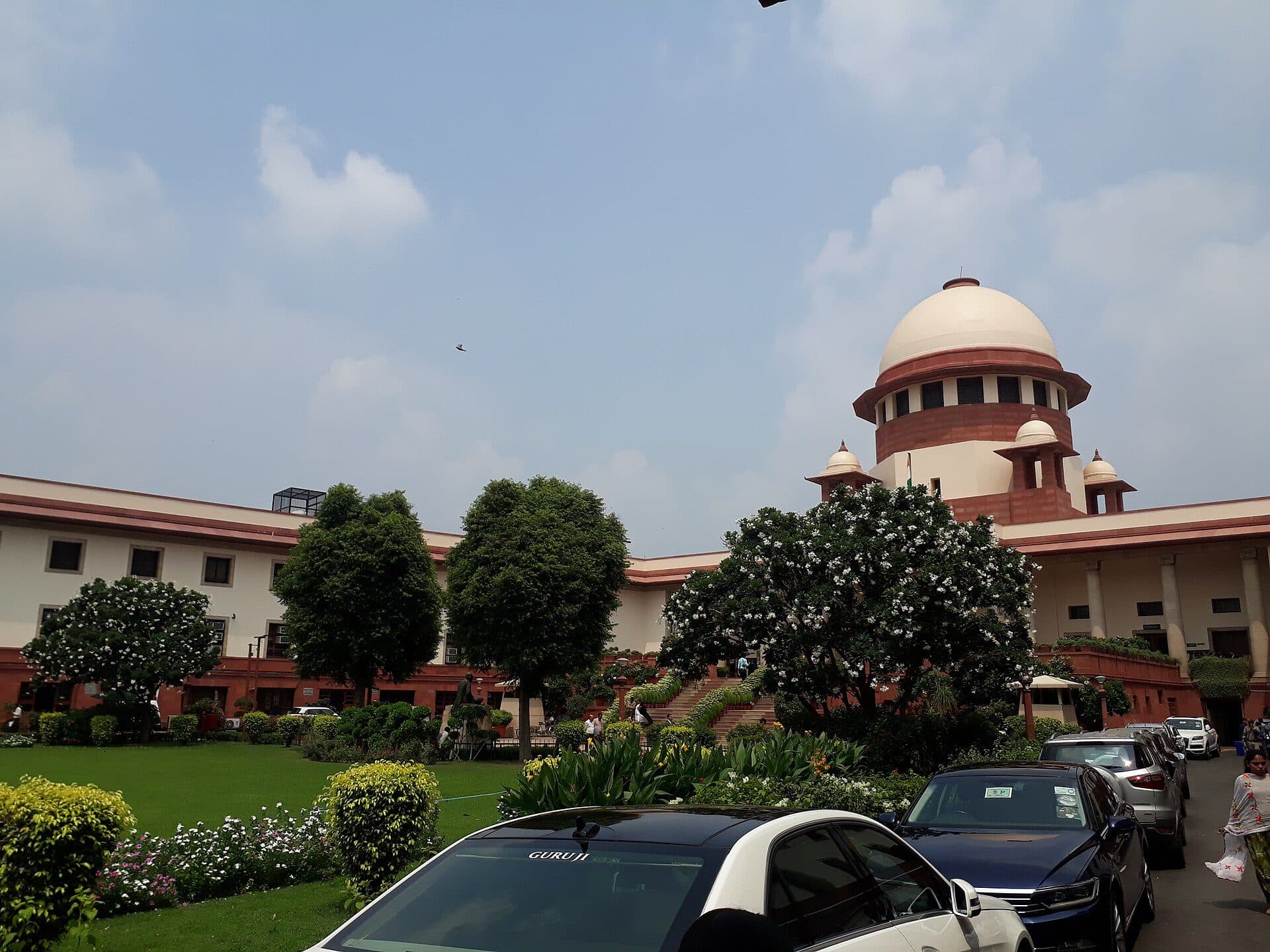
The Supreme Court sharply criticized a Bihar sessions judge on Monday for convicting a police superintendent over alleged non-compliance with court directives, admonishing him to refrain from acting like a strongman or "Bahubali." A bench comprising Chief Justice of India Surya Kant, Justice Joymalya Bagchi, and Justice V Mahana heard the matter during proceedings concerning a challenge to a Patna High Court order that had made critical observations against the judicial officer.
The case stemmed from an order passed by Anil Kumar, serving as the 4th Additional Sessions Judge in Rohtas at Sasaram, Bihar, who initiated contempt proceedings against the Rohtas Superintendent of Police for failing to register a First Information Report as directed. The sessions judge summoned the police officer and convicted him on the same day, imposing a nominal fine of Re 1.
Supreme Court Questions Legal Authority and Judicial Discipline
During the hearing, the bench expressed deep disappointment regarding the judicial officer's grasp of criminal contempt and statutory provisions. Justice Bagchi highlighted that failure to comply with an outside judicial direction does not automatically qualify as an offence committed in the face of the court. He contrasted such non-compliance with direct courtroom incidents, such as physical assault, verbal abuse, or refusing to leave the courtroom, which fall under immediate penal powers outlined in Section 384 of the Bharatiya Nagarik Suraksha Sanhita and Section 345 of the Code of Criminal Procedure.
The Supreme Court questioned whether the sessions judge possessed the legal empowerment to summon the district magistrate and the superintendent of police, treat their non-appearance as an offence committed in the court’s presence, and proceed to convict them immediately. The bench remarked that judges must function within established procedural boundaries, maintain judicial discipline, and avoid aggressive or overreaching approaches. Suggestions were also made for the judicial officer to undergo training at the National Judicial Academy to better understand judicial propriety.
Next Steps and Patna High Court Review
In addition to addressing the immediate contempt conviction, the sessions judge's previous order had raised broader concerns regarding the perceived apathy of IAS and IPS officers toward subordinate courts, calling on the Ministry of Personnel and Training to overhaul training systems. Concluding the session, the Supreme Court requested the Patna High Court to sympathetically consider an explanation-cum-apology submitted by the judicial officer and dispose of the proceedings accordingly.
- The Supreme Court criticized a Bihar judge for convicting a police superintendent over an unfiled FIR.
- The bench clarified that failing to follow an outside court order is not an offence committed in the court's presence.
- The Supreme Court asked the Patna High Court to consider the judicial officer's apology.
Spotted an error? · Our editorial policy
UP NEXTJensen Huang Reinstated as Nvidia Chief Executive After Eleven-Day AbsenceOther angles · #Bihar judiciary
Timeline →More from India

Prime Minister Modi Attends Shabad Kirtan in Delhi Ahead of Guru Nanak Dev’s Parkash Purab

Five Delhi Police Personnel Injured in Knife Attack at Jama Masjid Station

Excavator near high-risk Sheshnag Lake in Jammu and Kashmir triggers political and environmental outrage