Supreme Court Rejects Urgent Listing for Recall of Split Election Commissioner Law Verdict
The Supreme Court declined to separately hear a plea challenging a split verdict regarding the appointment law for Election Commissioners, directing the issue to a five-judge Constitution bench instead.

- The Supreme Court declined to list a recall plea separately for a split verdict regarding the 2023 Election Commissioner appointment law.
- Advocate Prashant Bhushan sought a recall based on alleged conflict of interest and the pending retirement of Justice Satish Chandra Sharma.
- The Court directed that the recall application and challenges to the reference be handled by an existing five-judge Constitution bench.
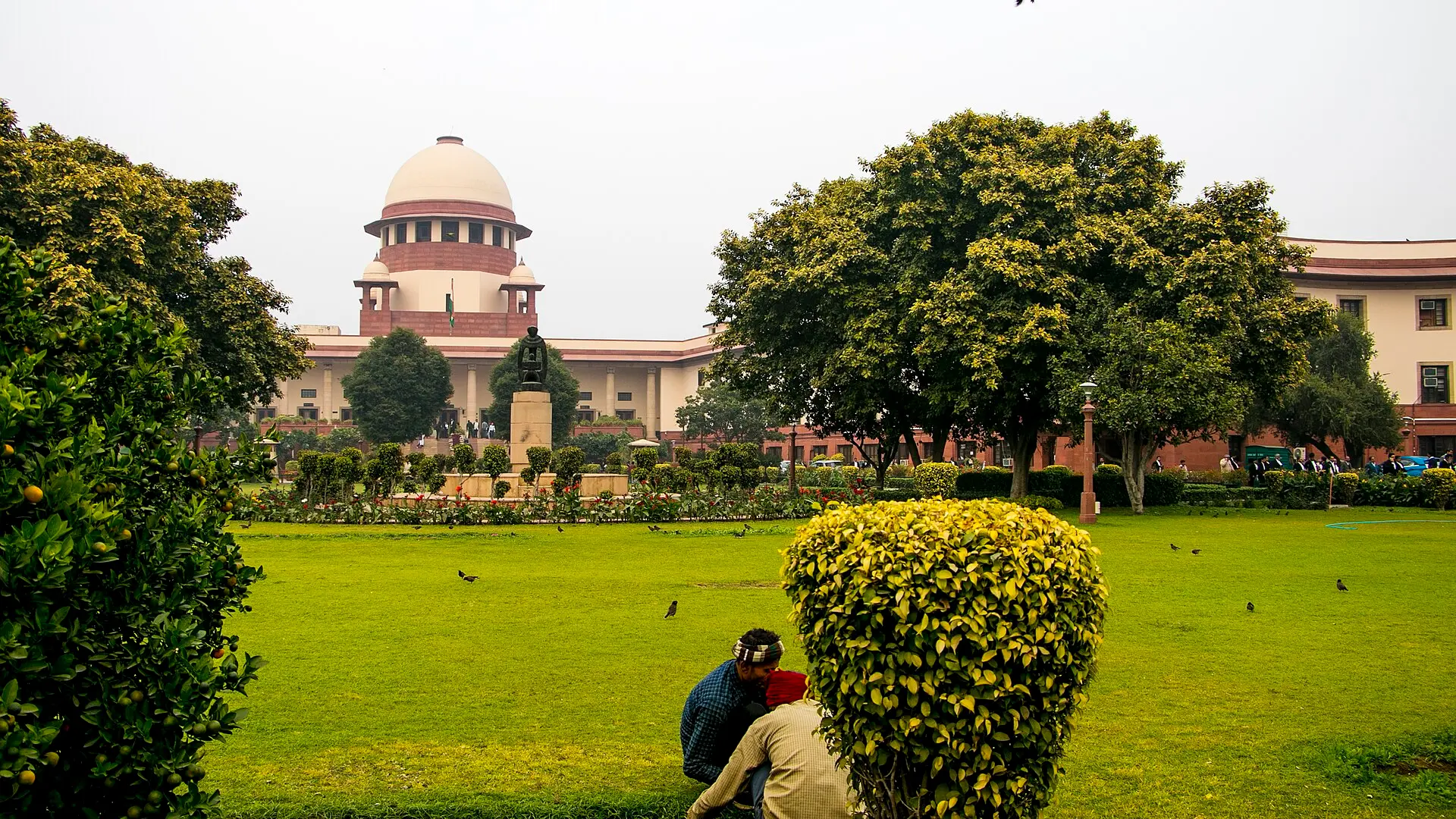
The Supreme Court of India on Friday refused to grant an urgent, separate hearing for an application seeking the recall of a September 23 split verdict. The original ruling involved a two-judge bench that disagreed on whether petitions challenging the Chief Election Commissioner and Other Election Commissioners (Appointment, Conditions of Service and Term of Office) Act, 2023, should be referred to a larger Constitution bench.
Dispute Over Judicial Reference
Advocate Prashant Bhushan had requested that the recall application be heard by the original bench of Justices Dipankar Datta and Satish Chandra Sharma. He cited an alleged conflict of interest involving Justice Sharma, whose son serves as a standing counsel for the Election Commission of India before the Madhya Pradesh High Court. Furthermore, Bhushan noted the impending retirement of Justice Sharma as a reason for urgency.
During the session, a bench led by Chief Justice of India Surya Kant, alongside Justices Joymalya Bagchi and V Mohana, rejected the request for a separate listing. The Court maintained that the five-judge Constitution bench already established to hear the broader constitutional challenges to the 2023 Act possesses the authority to examine both the recall application and the validity of the initial reference order. The Chief Justice clarified that this procedure remains valid even following the retirement of one of the judges who delivered the split decision.
Background on Election Commission Appointments
The 2023 Act has faced significant legal scrutiny from various petitioners, including the Association for Democratic Reforms. Critics argue that the legislation, which replaced the Chief Justice of India with a Union Cabinet Minister on the selection panel, grants the executive excessive control over the appointment process. This change has raised concerns regarding the potential erosion of the independence of the Election Commission of India.
The initial split occurred on September 23 when Justice Datta held that a two-judge bench was sufficient to hear the challenges, whereas Justice Sharma advocated for a referral to a five-judge Constitution bench due to the gravity of the constitutional questions involved.
- A two-judge bench previously split on whether to refer the challenge of the 2023 Appointment Act to a larger bench.
- The 2023 Act replaced the Chief Justice of India with a Cabinet Minister in the appointment committee.
- The five-judge Constitution bench will now handle all pending objections regarding the reference order.
Spotted an error? · Our editorial policy
UP NEXTArunachal Organisations Appeal to Amit Shah to Cancel 11,200-MW Siang Mega DamOther angles · #Election Commission
Timeline →More from India
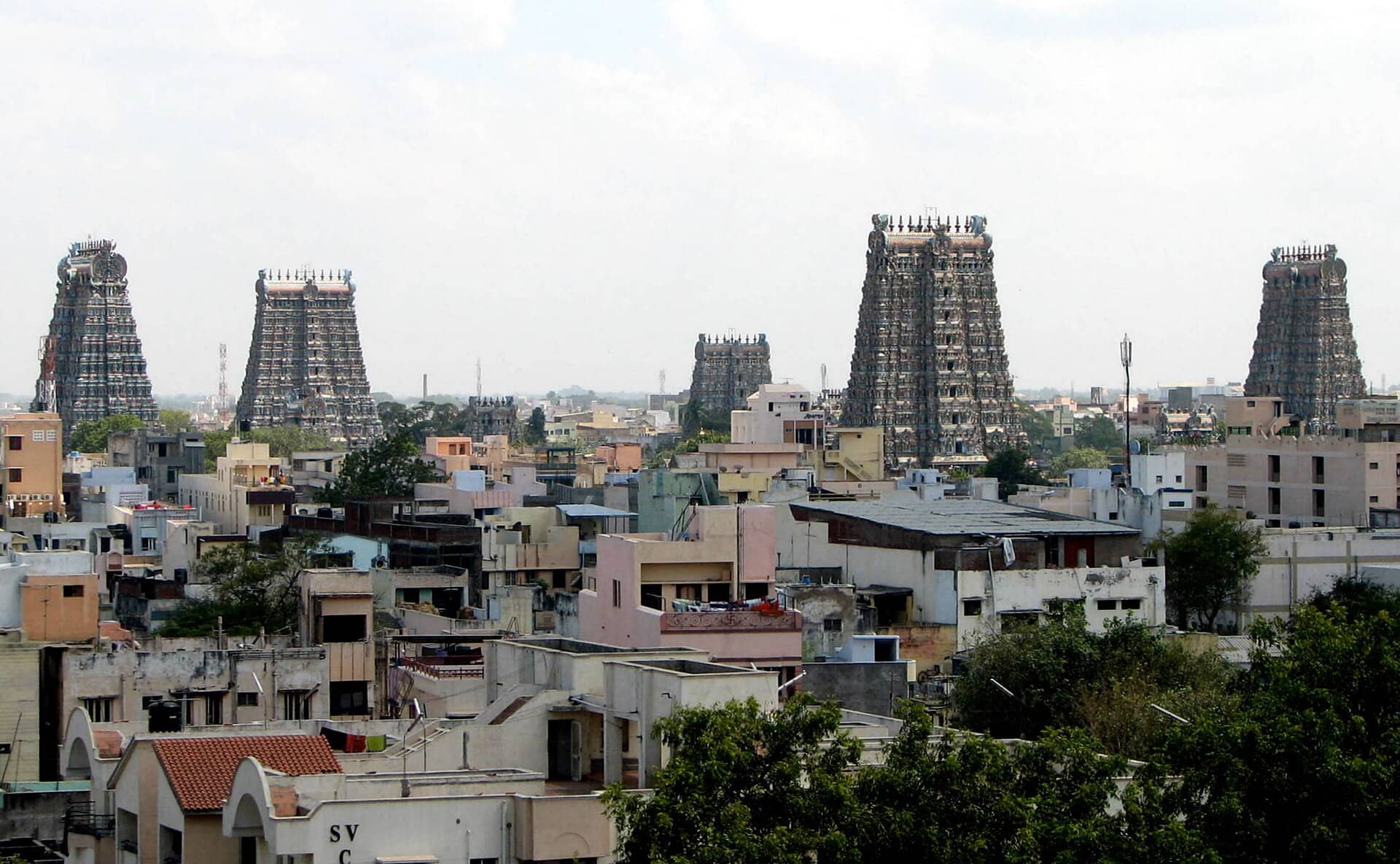
YouTuber Remanded to Prison Following Re-enactment of Madurai Jewellery Heist
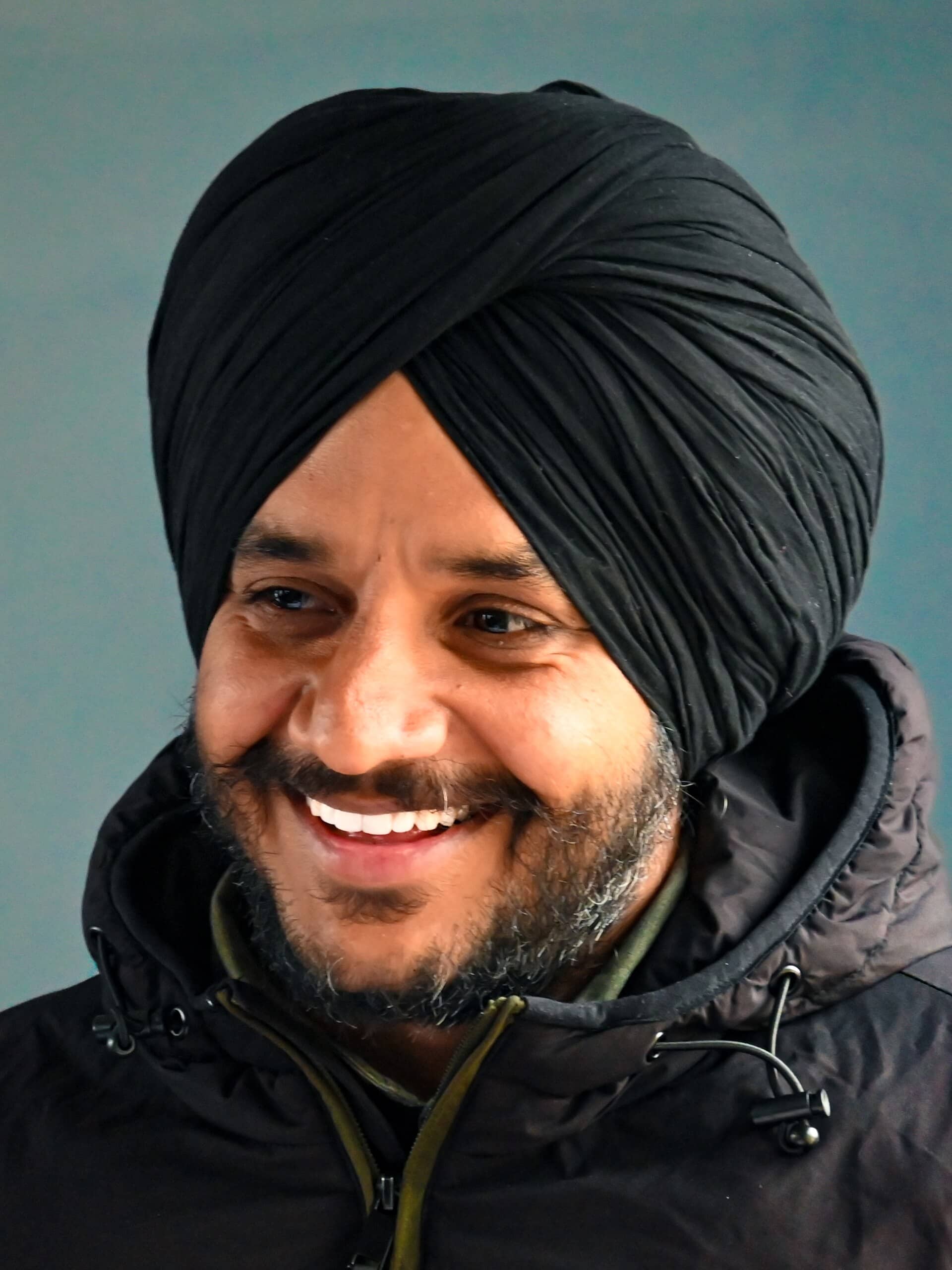
Khadoor Sahib MP Amritpal Singh Returns to Punjab for Grandmother’s Last Rites

Delhi Court Grants Bail in Smuggling Case, Citing Constitutional Violations Over 24-Hour Detention Limit