India Trims Visa Categories and Shortens Forms in Major Overhaul
India has consolidated its visa system, reducing main categories from 13 to nine and cutting application form fields by roughly two-thirds.

Quick summary
India has consolidated its visa system, reducing main categories from 13 to nine and cutting application form fields by roughly two-thirds.
A leaner visa structure
India has reorganised its visa framework into fewer, more clearly defined groups. Main categories have dropped from 13 to nine, while sub-categories have fallen from 49 to 23. Officials say the aim is to help foreign visitors identify the right route quickly and to reduce the paperwork they face, with the number of fields on application forms reduced by an estimated 65 to 70 per cent.
The Ministry of Home Affairs framed the revision as an effort to make the system more coherent and better suited to the needs of people entering the country. According to the ministry, the government reviewed visa arrangements in developed nations and global benchmarks before settling on the new design, and it argued that merging overlapping purposes of travel would make legitimate arrivals easier to process.
Changes to tourist and business travel
The former Tourist Visa has been renamed the Visitor Visa, a change meant to reflect the wider range of reasons people now travel to India. It is split into two sub-categories. The V-1 covers short stays for business meetings, brief medical consultations, wellness retreats and short courses in Indian languages, music, art and craft. It carries a 30-day validity with multiple entries. The V-2 is intended for longer visits and can be issued for one, five or ten years. It includes the activities allowed under V-1 and also covers mountaineering, for which a six-month multiple-entry visa will be granted.
Medical visas and attendants
Medical travel retains separate tracks for conventional treatment and AYUSH therapies. The M-1 visa applies to treatment outside the AYUSH system, while the M-3 is for AYUSH treatment. Both, including their electronic versions, will default to one year with multiple entries. Companions of patients will be able to apply for attendant visas: the M-2 for those accompanying M-1 holders and the M-4 for those accompanying M-3 holders. The ministry said multiple-entry validity would spare patients needing staged procedures or repeated follow-ups from reapplying again and again, and that the attendant visas would support families travelling with patients.

Student visas
The student category has been folded into two broader groups. The S-1 covers school, undergraduate and postgraduate study, while the S-2 is designed for PhD candidates and research scholars at Indian universities, visiting faculty and foreign researchers working on projects in the country.
Background
The latest changes follow an earlier round in October 2025, when main categories were cut from 22 to 13 and sub-categories from 63 to 49. The current revision was dated August 27. Electronic visas are presently issued under 13 sub-categories to nationals of 172 countries.

Spotted an error? Report a correction · Our editorial policy
UP NEXTAnthropic Unveils Upgraded Fable 5.2 and Mythos 5.2 Models as Public Listing NearsMore from India

Vijay Orders Additional Rs 5.25 Crore Relief for Families of Thoothukudi Anti-Sterlite Protest Victims
India Launches Fifth Sea Vigil Drill to Test Coastal and Offshore Security
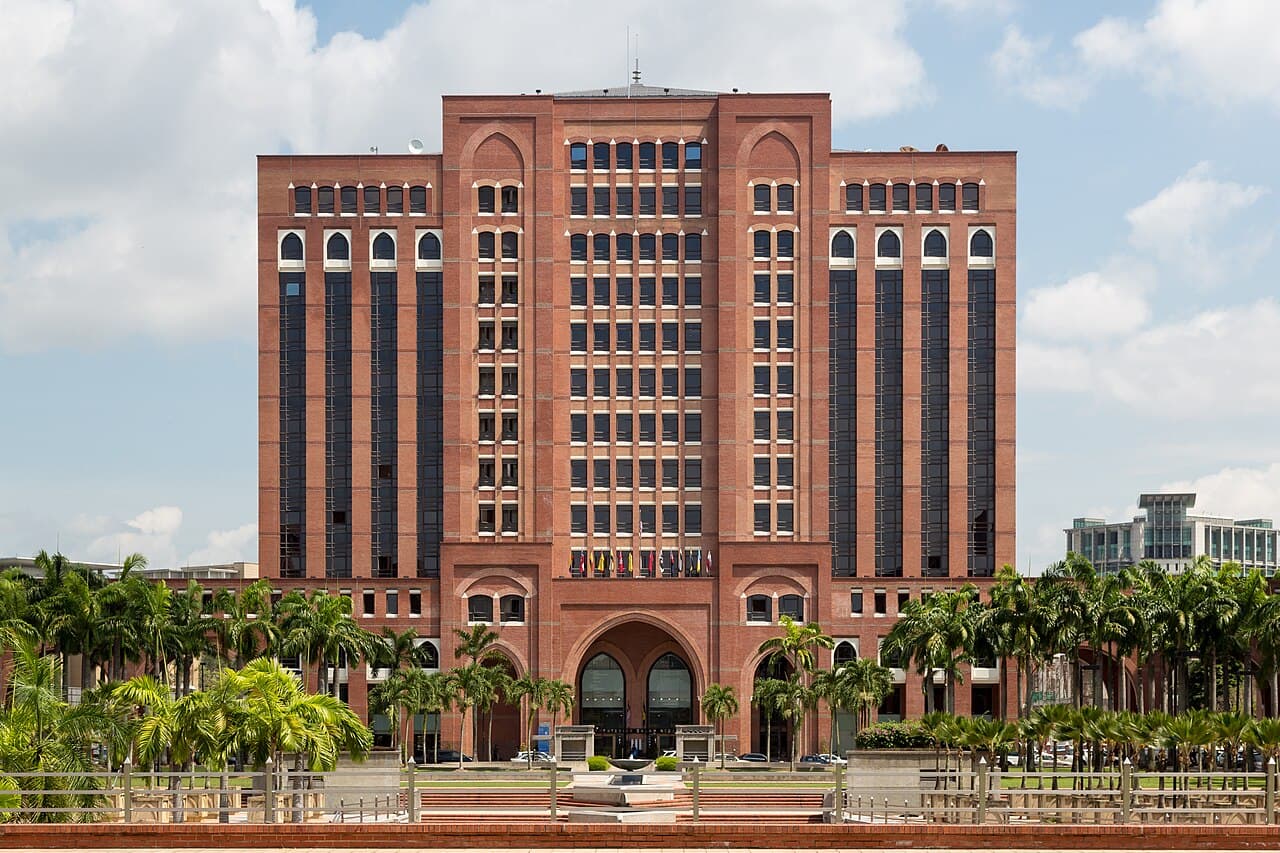
Indian Visa System Streamlined as Categories Shrink and Forms Get Shorter