Indian Visa System Streamlined as Categories Shrink and Forms Get Shorter
India has consolidated its visa framework, trimming main categories to nine and cutting application fields by roughly two-thirds, with full implementation expected by year-end.

Quick summary
India has consolidated its visa framework, trimming main categories to nine and cutting application fields by roughly two-thirds, with full implementation expected by year-end.
A leaner visa framework
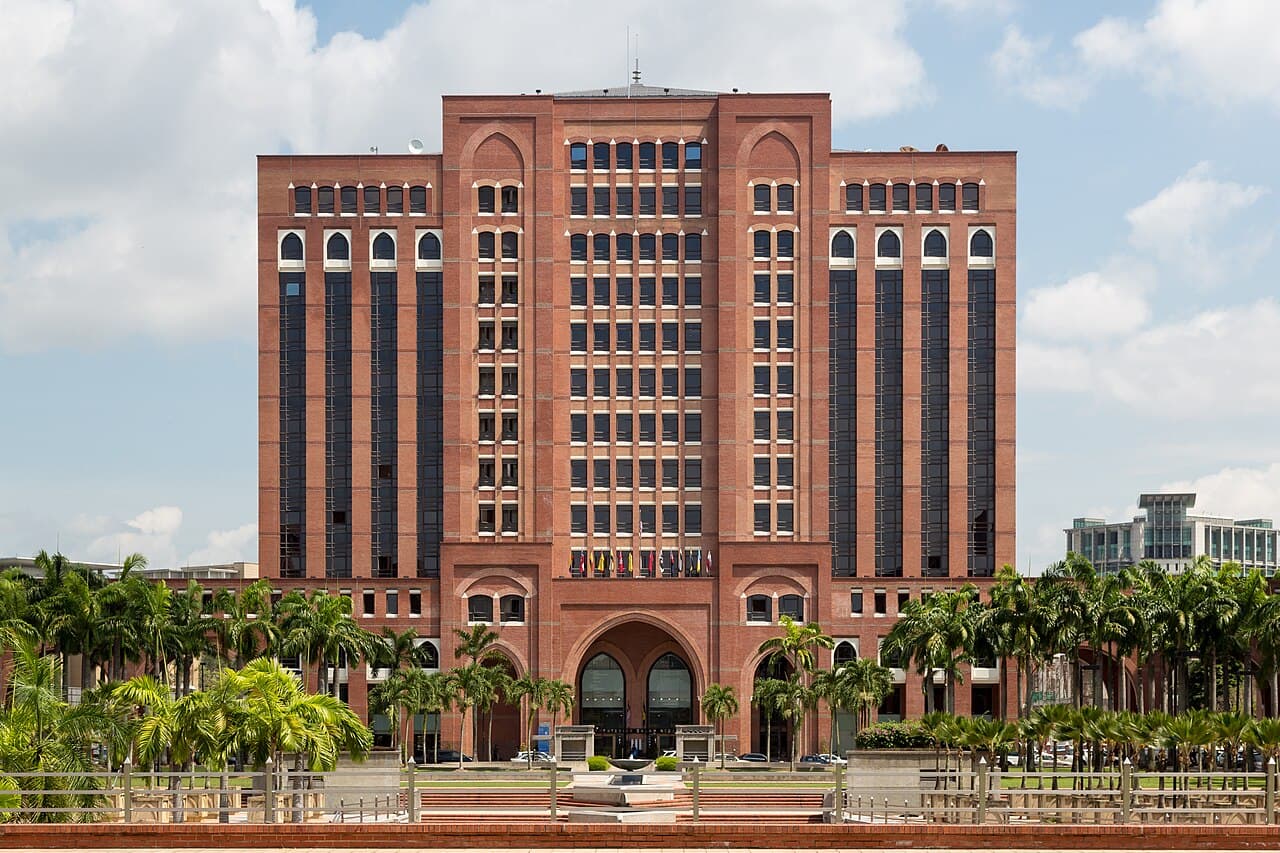
The Indian government has pared down its visa framework, lowering the number of principal categories from 13 to nine and reducing sub-categories from 49 to 23. The Ministry of Home Affairs announced the revision on Wednesday, presenting it as an effort to make travel paperwork less cumbersome for people arriving from abroad.
Alongside the restructuring, the ministry has also trimmed the information requested on application forms. Across all 23 sub-categories, the number of fields has been reduced by between 65 and 70 per cent, a change officials say will shorten the time foreign nationals spend preparing their submissions.
Purpose-based categories
The former Tourist Visa is now called the Visitor Visa and has been split into two tiers. The V-1 option suits short stays of up to 30 days with multiple entries, and it accommodates business meetings, medical consultations, wellness retreats, brief treatment, and short courses in Indian languages, music, art and craft. The V-2 option is designed for extended visits, with validity of one, five or ten years, and it also covers mountaineering, for which a six-month multiple-entry visa will be issued.
Medical travellers will continue to have separate routes. The M-1 visa applies to treatments outside the AYUSH system, while M-3 covers AYUSH treatments; both typically run for one year with multiple entries. Companions travelling with patients will receive M-2 or M-4 visas, depending on the treatment involved.

Student visas now fall under two headings. S-1 covers school, undergraduate and postgraduate study, whereas S-2 is reserved for PhD candidates, researchers, visiting faculty, interns and exchange students. Those admitted through the Study in India portal may be issued an e-S1 visa valid for up to five years or the length of their course, whichever is shorter.
Changes to business travel
Business visas have been regrouped into B-1 and B-2. B-1 is intended for long-term, licence-based ventures, such as establishing industrial or commercial operations in India. B-2 covers short-term, contract-based engagements, including conferences, sports, films and performing arts. Production Investment Business visas, previously issued under the e-B4 label, now sit within B-2. Foreign engineers and technical specialists brought in by Indian firms for installation, maintenance, training or similar work may also obtain this visa.
Background
The latest step builds on an October 2025 revision that cut main categories from 22 to 13 and sub-categories from 63 to 49. According to the ministry, officials examined visa systems in developed countries and international benchmarks before drafting the changes. India currently offers e-visas to nationals of 172 countries across 13 sub-categories.
What comes next
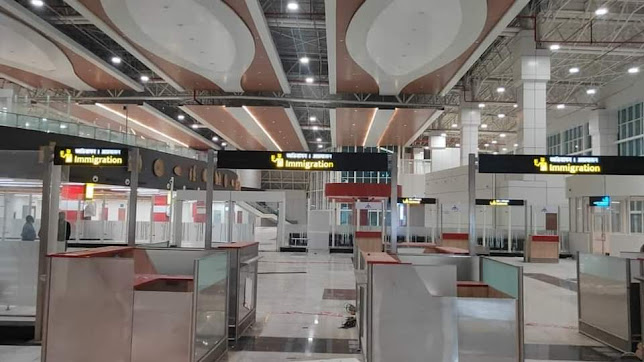
The ministry is updating its information technology systems to accommodate the new structure. Officials say visas will be issued under the revised framework by the end of this year. The government has framed the overhaul as a way to attract more tourists, medical visitors and international students, while also making it easier for applicants to identify the category that matches their purpose of travel.

Spotted an error? Report a correction · Our editorial policy
UP NEXTAnthropic Unveils Upgraded Fable 5.2 and Mythos 5.2 Models as Public Listing NearsMore from India
Vijay Orders Additional Rs 5.25 Crore Relief for Families of Thoothukudi Anti-Sterlite Protest Victims
India Launches Fifth Sea Vigil Drill to Test Coastal and Offshore Security
President’s Bodyguard Jawan Saurabh Tomar Shot in Baghpat Diwali Dispute, Police Hunt Suspects