Experts at COP31 urge immediate action to shield pregnant women from extreme heat
Medical specialists and environmental advocates at COP31 have warned that extreme temperatures pose grave dangers to maternal health, while highlighting a severe lack of financial support for health adaptation initiatives.

- Extreme heat during pregnancy can cause preterm birth, stillbirth, and congenital abnormalities.
- Only about one percent of formal climate finance under UNFCCC mechanisms is directed toward health.
- Combined exposure to heat and air pollution triples health impacts compared to a single factor.
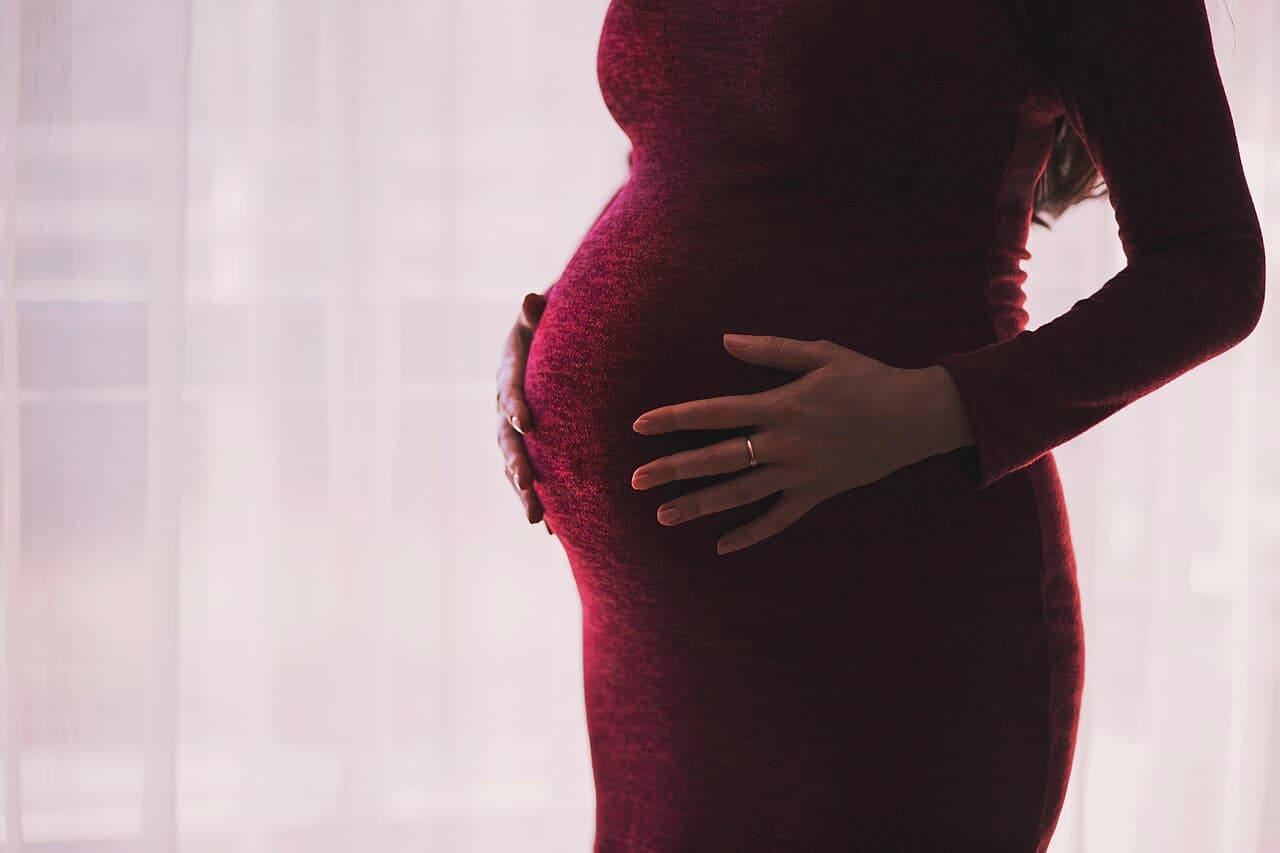
Delegates gathered at the United Nations Climate Change Conference are drawing attention to the severe health dangers that rising temperatures pose to expectant mothers. Specialists noted that exposure to intense heat during pregnancy can trigger dangerous complications, including premature delivery, fetal loss, and congenital disorders in newborns. These warnings emerged as participating nations examined advancements concerning the Global Goal on Adaptation, a structured agenda intended to help countries implement vital defensive measures against climate-driven health hazards.
Financing Shortfalls and Health Integration
Despite growing awareness, medical professionals pointed out that securing adequate fiscal backing remains a major obstacle. Figures from the United Nations Framework Convention on Climate Change indicate that roughly one percent of formal climate funding under established financial mechanisms is allocated toward healthcare priorities. Experts emphasized that maternal health must be integrated into clinical guidelines, urging nations to systematically record climate impacts on pregnant individuals. Furthermore, researchers highlighted that combining heat exposure with elevated air pollution multiplies overall health risks threefold, a particularly pressing concern for regions experiencing both environmental stressors simultaneously.
Vulnerable Populations and Critical Windows
Specialists stressed that the initial thousand days spanning from conception to a child's second birthday represent a highly sensitive developmental window where weather-related harm can manifest prior to birth. Environmental campaigners underscored that daily-wage earners, agricultural laborers, and construction employees face disproportionate hazards because their livelihoods force them to remain outdoors during severe weather events. Observers called for localized maternal and child health initiatives to actively account for ambient temperature extremes, ensuring proactive protection for vulnerable communities.
- Experts at COP31 called for targeted clinical guidelines to protect pregnant women from heatwaves.
- Specialists noted that combined heat and air pollution dramatically increase health risks.
- Campaigners emphasized that low-income outdoor workers face immediate survival pressures during extreme weather.
Spotted an error? · Our editorial policy
UP NEXTJP Interio Private Limited Launches BONDCEAL 710™ Plywood Brand in New DelhiSwipe more stories · EnvironmentQuick cards, a few lines each. Tap to open.More from Environment
Delhi Records Season’s Coldest Morning as Air Quality Remains in ‘Poor’ Category
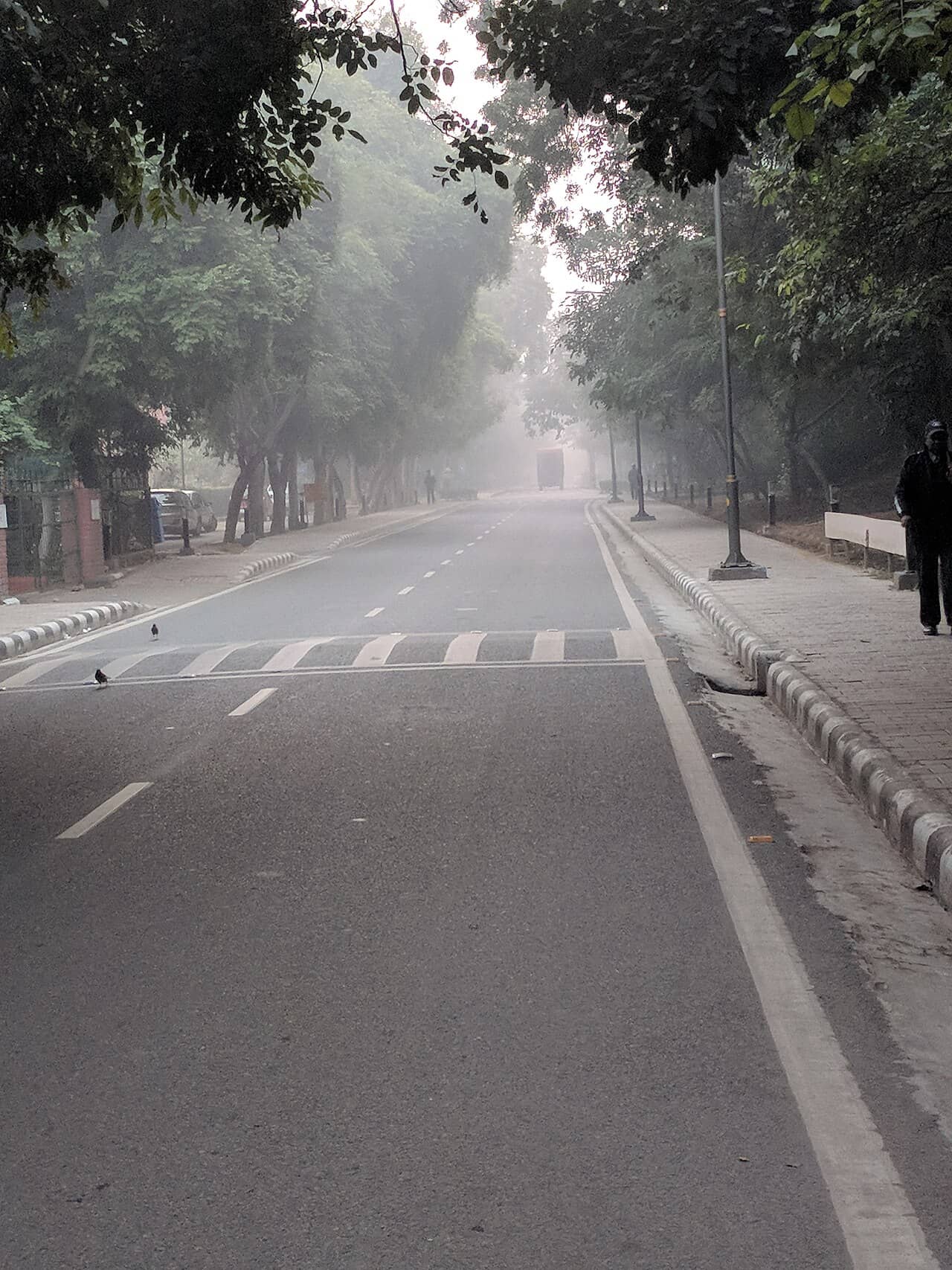
Delhi registers coldest morning of the season with temperature dipping to 11.6 degrees Celsius
Deep Depression Intensifies Into Cyclonic Storm Akvan Over Bay of Bengal