Telangana Overhauls Education System to Integrate Classes 11 and 12 into Regular Schools
Telangana Chief Minister A Revanth Reddy has announced a major restructuring plan to scrap separate intermediate colleges and introduce a 10+2 system within regular schools starting from the 2027-28 academic year.

- Telangana is replacing separate intermediate colleges with a 10+2 system inside regular schools.
- About 40 percent of students drop out after Class 10, particularly affecting girls and marginalized communities.
- The employment and retirement benefits of existing junior college staff will remain protected under the transition.
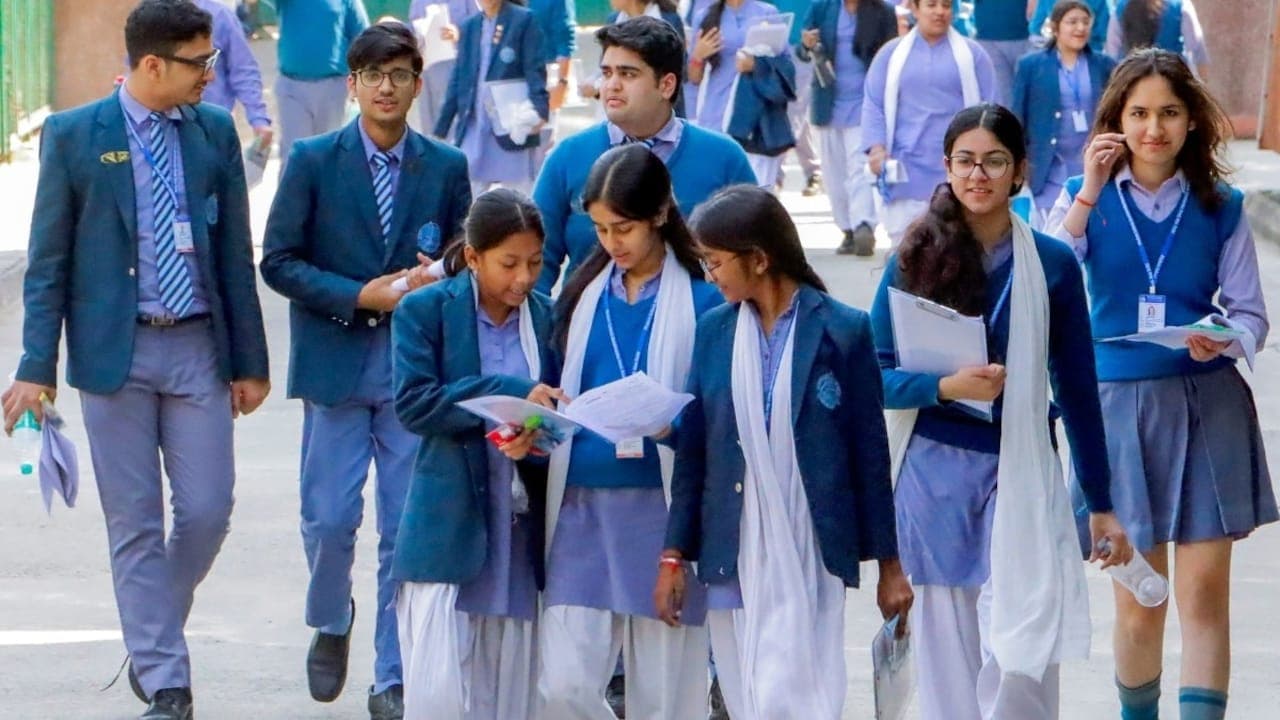
The Telangana government has announced a sweeping overhaul of its educational structure that will eliminate separate intermediate colleges and bring Classes 11 and 12 directly under regular school administration. Chief Minister A Revanth Reddy disclosed the decision on November 11 following an Education Department review meeting. Under the revised framework, the state's school system will be reorganised into three primary tiers: primary education from nursery to Class 4, secondary education spanning Classes 5 to 8, and senior secondary education covering Classes 9 to 12. Previously, students completed Class 10 before transitioning to separate junior colleges.
Addressing High School Dropout Rates
A primary driver behind the restructuring is the significant rate of students discontinuing their studies after completing Class 10. According to the state administration, approximately 40 per cent of students fail to advance to intermediate education. This dropout trend disproportionately impacts girls and children from Dalit, tribal, and minority communities. In contrast, the Chief Minister noted that institutions providing continuous instruction up to Class 12—such as Kendriya Vidyalayas, Jawahar Navodaya Vidyalayas, and Kasturba Gandhi Balika Vidyalayas—maintain markedly lower dropout figures, prompting the state to replicate a similar continuous pathway.
Curriculum Focus and Staff Assurances
Alongside structural changes, the government aims to elevate academic standards by emphasizing communication proficiency and language skills by the time students finish Class 12. The reform is intended to equip students for competitive global environments and diverse career paths. While the transition will merge administrative frameworks previously managed separately by the Telangana Board of Intermediate Education, the Chief Minister assured that the employment terms and retirement benefits for existing junior college lecturers and non-teaching personnel will stay protected.
Additional Administrative Directives
During the review meeting, the state leadership issued further instructions regarding educational infrastructure and higher education staffing. Officials were directed to relocate government-run welfare hostels and residential schools out of rented properties into fully equipped, newly constructed facilities featuring proper water supply and toilet infrastructure. Furthermore, authorities were instructed to fast-track the recruitment procedures for faculty vacancies, including Assistant Professor and Associate Professor roles across state universities.
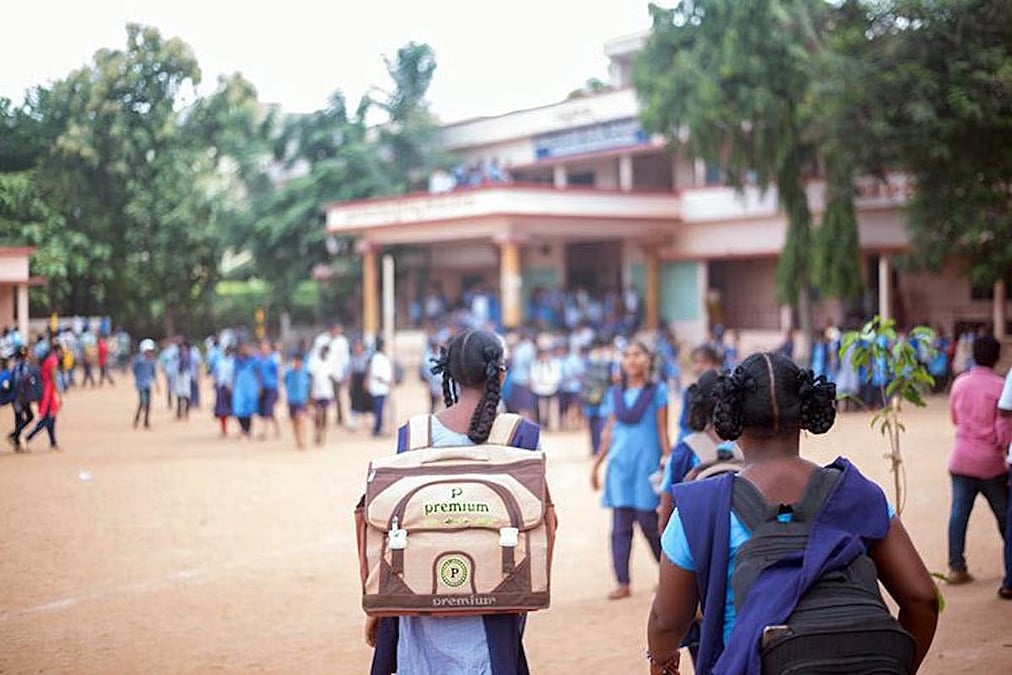
- Separate intermediate colleges will be phased out in favor of an integrated 10+2 model.
- Continuous education institutions like Navodaya and Kendriya Vidyalayas inspired the reform due to lower dropout rates.
- The state plans to improve communication skills and career readiness by the end of Class 12.
Spotted an error? · Our editorial policy
UP NEXTNetanyahu’s Office Rejects Claims of Tense Phone Call With Trump Over Iran StrategyMore from Education
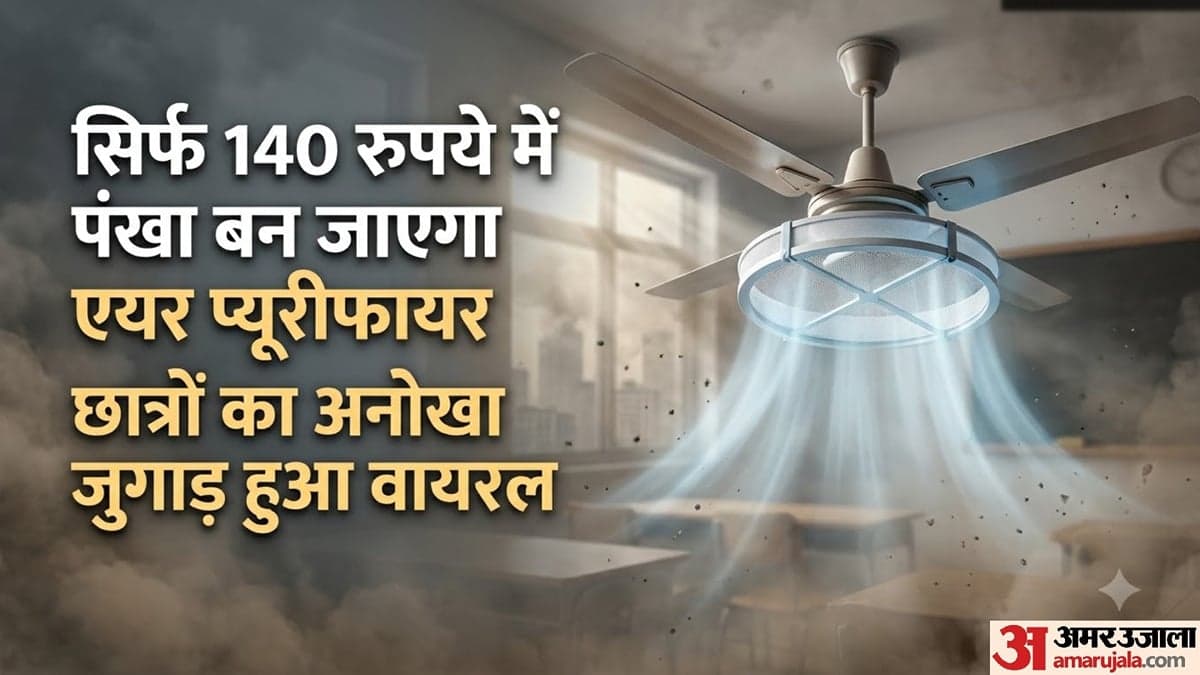
Delhi Students Invent 140-Rupee Ceiling Fan Air Purifier to Combat Pollution
ICSI Sets November 15 for CSEET October 2026 Exam Results
National Testing Agency Plans Independent Observer Pool and New Infrastructure Norms After NEET-UG Leaks