Iran Warns It Will Not Wait for US Strike, Sets Terms for IAEA and Diplomatic Accord
Iran’s deputy foreign minister stated that Tehran will not wait for a United States strike before responding, while outlining strict conditions for diplomatic engagement and nuclear inspections.

- Iran stated it will not wait for a US attack before responding to aggression.
- Tehran conditioned IAEA access to nuclear facilities on permanent cessation of hostilities and specific guarantees.
- Iran outlined demands including the lifting of oil sanctions, unfreezing of assets, and reopening of the Strait of Hormuz.
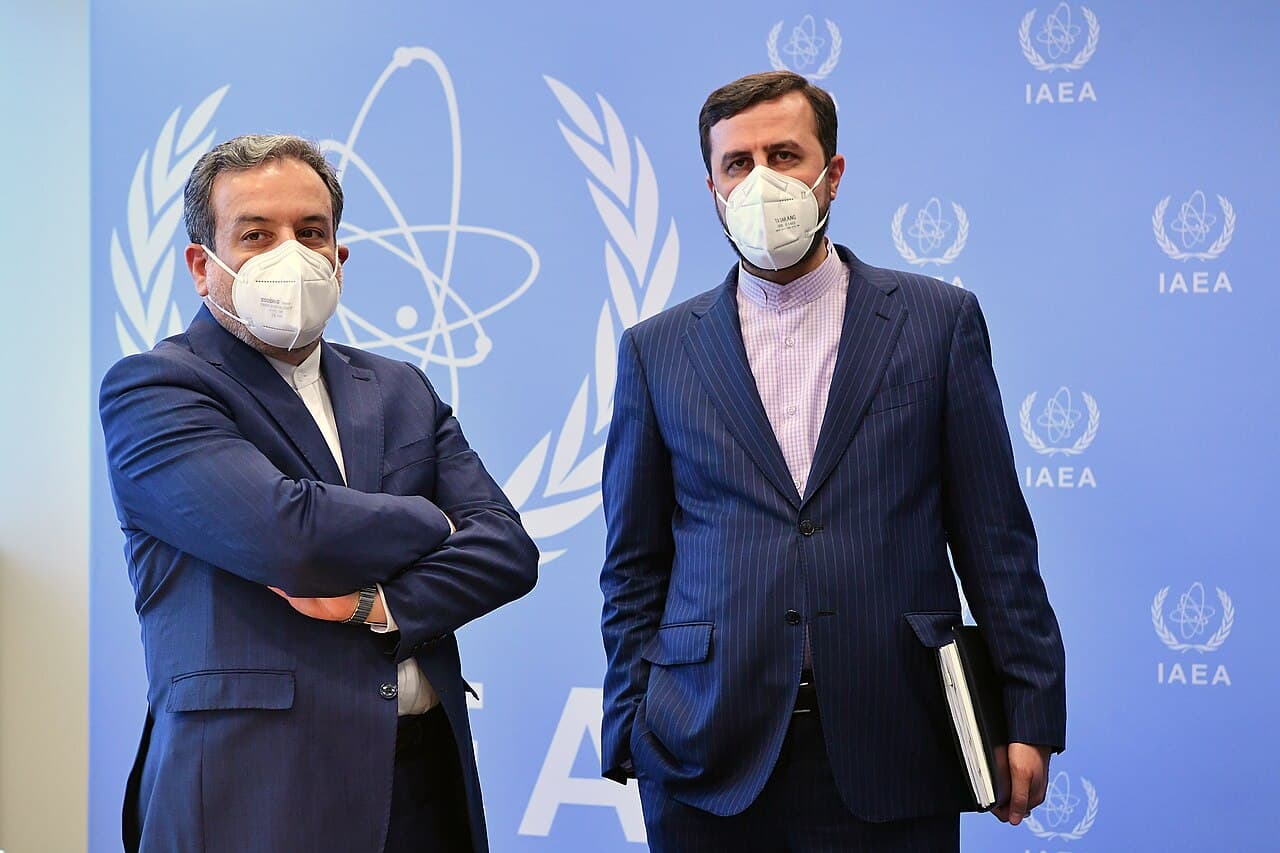
Iranian Deputy Foreign Minister Kazem Gharibabadi cautioned that Tehran will not wait for United States military forces to initiate an offensive before launching a counter-action. In media statements, Gharibabadi accused Washington of potentially leveraging diplomatic channels to buy time for a fresh military campaign. Tehran is currently preparing for three distinct trajectories in its bilateral relations: diplomacy, economic embargoes, and military hostility.
Nuclear Inspections and Conditions
Addressing international oversight, Gharibabadi stated that the Islamic Revolutionary Guard Corps will deny the International Atomic Energy Agency access to Iranian nuclear sites until Tehran's core demands are satisfied and hostilities conclude permanently. The UN nuclear watchdog previously urged Iran to restore inspector access, including to facilities damaged during recent conflicts. Gharibabadi asserted that agency requests to survey damaged sites likely serve to evaluate the effectiveness of American weaponry rather than routine monitoring.
Demands for a Diplomatic Settlement
Outlining prerequisites for an agreement, Gharibabadi emphasized that Washington must furnish firm guarantees honoring Iranian terms. Tehran's stipulations encompass a permanent cessation of combat across all fronts, the complete dismantling of economic and oil-sector sanctions, and the resolution of frozen overseas assets. Furthermore, Iran demands accountability regarding newly deployed military hardware and personnel in the region.
Gharibabadi noted that Iran initially proposed a seven-day timeline to halt fighting and reopen the Strait of Hormuz, which mediators helped reduce to a two-day implementation window. However, ongoing discrepancies regarding the execution of commitments continue to stall progress.
Regional Deployments and Incidents
Amid persisting geopolitical friction, a United States official reported the arrival of the USS Theodore Roosevelt aircraft carrier in the Middle East, joining two other American carriers within the Central Command area of responsibility. Meanwhile, the Iranian Revolutionary Guard asserted it targeted a radar installation at an American helicopter base in Bahrain. While the US military declined immediate comment on that specific claim, US Central Command confirmed the interception of two Iranian drones heading toward Bahrain, and Bahrain's military verified that its air defense systems intercepted incoming projectiles.
- Iran claims it is prepared for diplomacy, blockades, and military conflict with the United States.
- Tehran insists that Washington has repeatedly broken trust during past diplomatic negotiations over the past eighteen months.
- Regional defense forces recently intercepted incoming projectiles and drones near Bahrain amid heightened naval deployments.
- Iranian Deputy Foreign Minister Kazem Gharibabadi cautioned that Tehran will not wait for United States military forces to initiate an offensive before launching a counter-action.
Spotted an error? · Our editorial policy
UP NEXTSanjay Kapoor Stars in ‘Unexpected – Safed Sach’ Based on 2024 Dehradun CaseSwipe more stories · WorldQuick cards, a few lines each. Tap to open.