Iran Vows Response to US Naval Blockade Amid Hormuz Conflict
Iranian officials have declared they will utilize all available measures to counter a US naval blockade they characterize as an act of military aggression.

- Foreign Ministry spokesperson Esmaeil Baghaei declared Iran will use all means to counter the US naval blockade.
- Iran cites Article 51 of the UN Charter as its justification for defensive action against the blockade.
- The current conflict stems from the February 28 killing of Ayatollah Ali Khamenei.
Iran's Foreign Ministry spokesperson, Esmaeil Baghaei, announced on Monday that the nation intends to use every resource at its disposal to oppose the ongoing US naval blockade. Baghaei framed the blockade as an act of military aggression, asserting that under Article 51 of the UN Charter, Iran holds the right to defend itself against such measures. This declaration follows an intensifying conflict that escalated significantly on February 28, when US-Israeli strikes resulted in the death of Supreme Leader Ayatollah Ali Khamenei, prompting retaliatory actions from Iran and its regional allies.
The Strategic Significance of the Strait of Hormuz
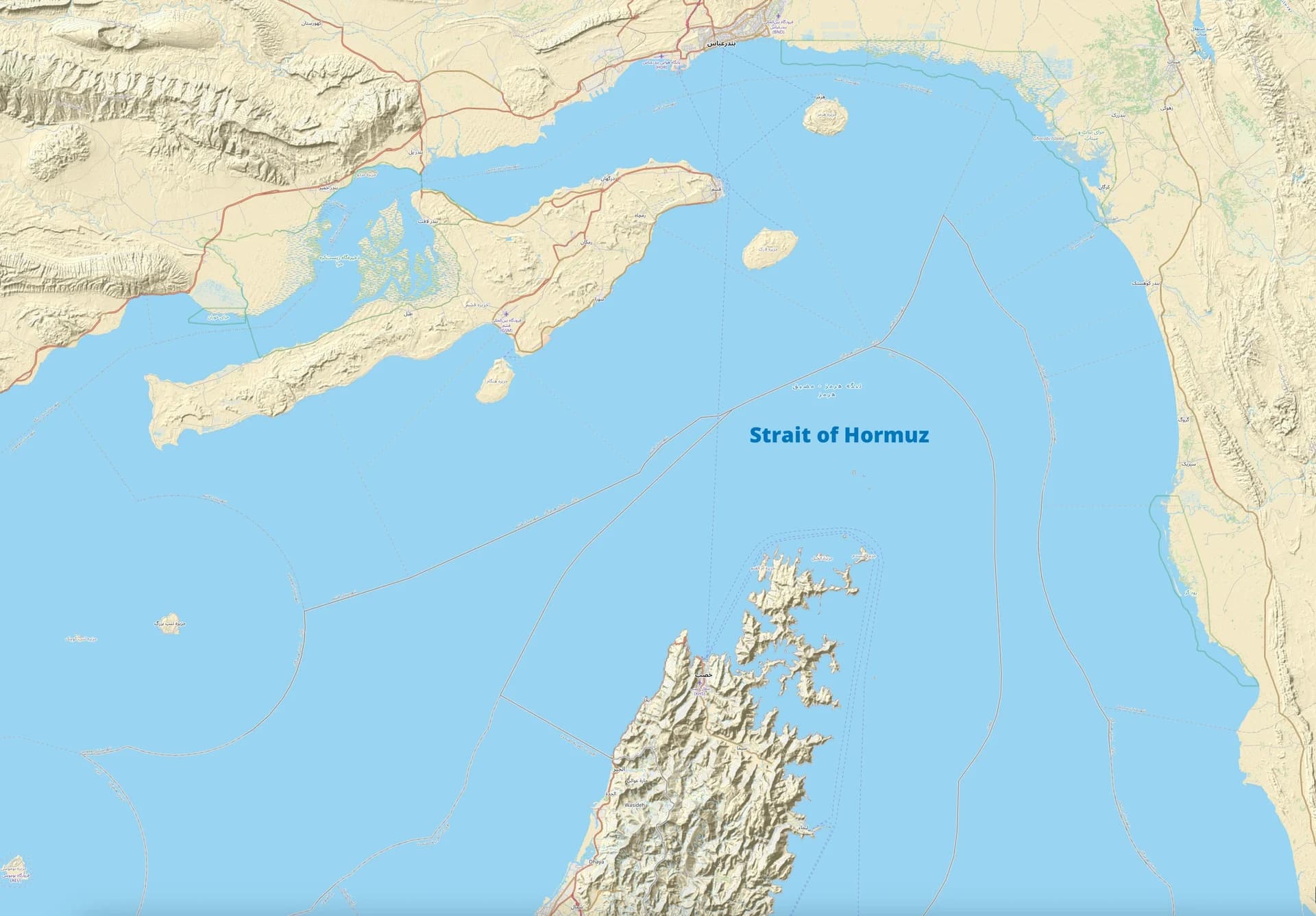
The Strait of Hormuz has emerged as the central point of the current hostilities, with Iran actively attempting to block the critical energy route. In response to these efforts, the United States imposed a naval counter-blockade on Iranian ports, alongside the implementation of broad economic sanctions and the creation of a task force designed to disrupt land-based supply routes into the country. The blockade on Iran-related oil exports was initially instituted in April, briefly paused in June following a draft agreement, and subsequently reinstated in July after that deal failed to hold.
Diplomatic Impasse and Shipping Tensions
While reports from shipping tracking services have suggested potential attempts to bypass the blockade through ship-to-ship crude oil transfers in the Gulf, Baghaei dismissed these claims as speculation. Data indicates that visible Iranian oil exports have dropped to near-zero levels since the July restoration of the blockade. Tehran continues to insist that it will only facilitate the reopening of the Strait of Hormuz if Washington meets a specific set of conditions, which includes the removal of the naval blockade, the cessation of hostile activities, and the lifting of economic sanctions. Diplomatic efforts toward a permanent resolution remain deadlocked, leaving the regional security situation in a state of continued volatility.
- Iran characterizes the US naval blockade as military aggression.
- The Strait of Hormuz remains a central point of conflict for global energy supplies.
- Diplomatic efforts to resolve the crisis have stalled following the collapse of a June agreement.
- Iran's Foreign Ministry spokesperson, Esmaeil Baghaei, announced on Monday that the nation intends to use every resource at its disposal to oppose the ongoing US naval blockade.
Spotted an error? · Our editorial policy
UP NEXTDonald Trump Celebrates Nvidia Reinstating Jensen Huang as CEOSwipe more stories · WorldQuick cards, a few lines each. Tap to open.More from World

5.3-Magnitude Earthquake Strikes Nepal, Tremors Felt in Parts of India

Iranian Singer Parastoo Ahmadi and Four Production Team Members Flogged 74 Times Over Hijab-Free YouTube Performance

Chinese Official Sentenced to Death for Espionage and Leaking State Secrets