Iran Maintains Official Rejection of Nuclear Weapons Amid Domestic Debate
Iranian Foreign Minister Abbas Araghchi confirmed that both Russia and China oppose any revisions to Iran’s current nuclear doctrine.

- Iranian Foreign Minister Abbas Araghchi confirmed the country's nuclear doctrine has not changed.
- Russia and China are reported to oppose any revision of Iran's stance against nuclear weapons.
- Internal debate in Iran has intensified following military strikes on the nation's infrastructure.
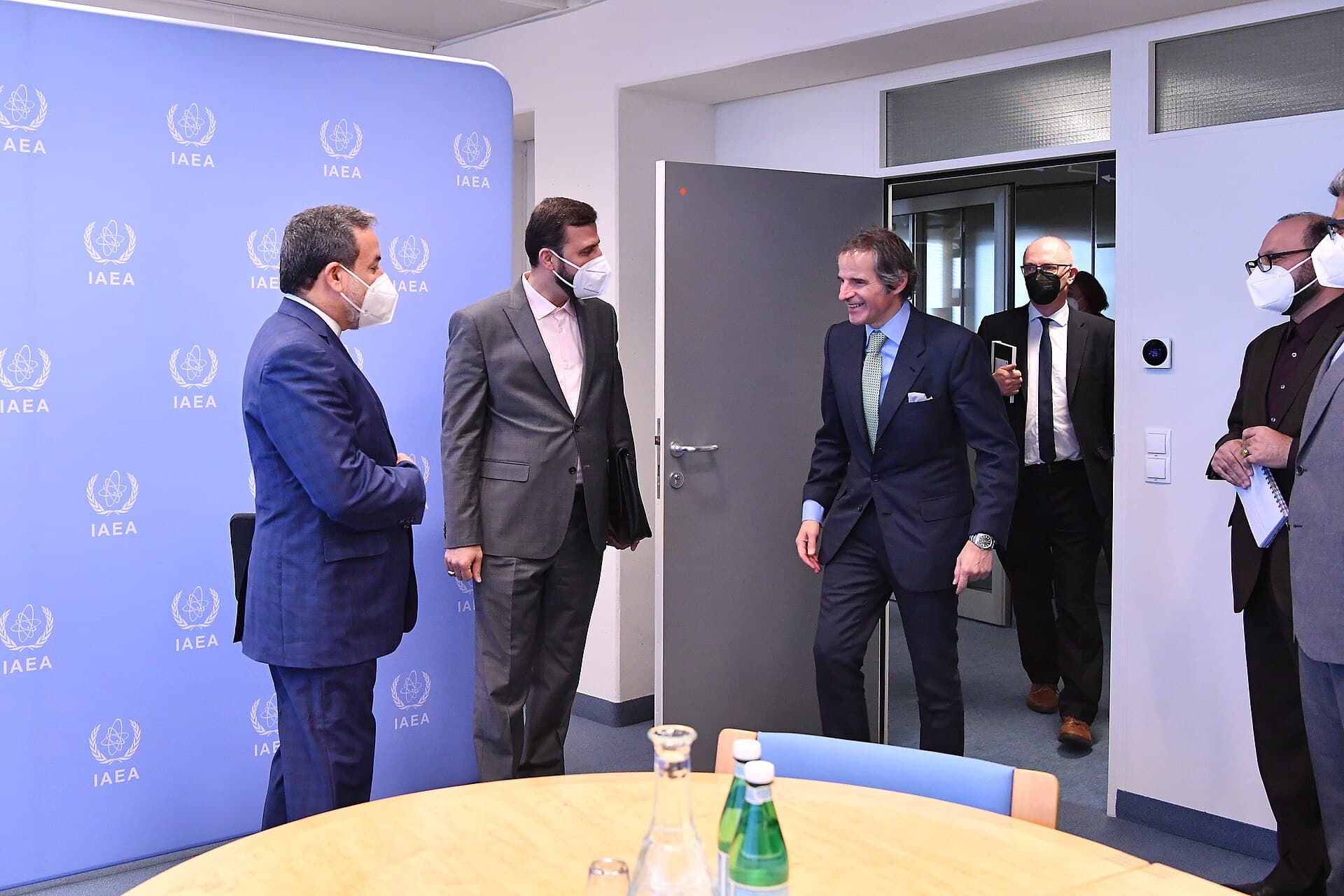
Iranian Foreign Minister Abbas Araghchi has reaffirmed that the country's official nuclear policy remains unchanged, stating that both Russia and China support the continuation of Tehran's long-standing rejection of nuclear weapons development. In comments provided to state-run media, Araghchi acknowledged that the issue has become a subject of significant internal discourse, noting that there are proponents for both maintaining and revising the current doctrine.
Domestic Pressure and Regional Conflict
The conversation regarding a potential shift in policy has gained momentum within Iranian political spheres, particularly among hardline factions. This resurgence follows intensified military tensions involving Israel and the United States, which have resulted in strikes against Iranian nuclear infrastructure. Supporters of a policy change within Iran argue that acquiring nuclear capabilities could serve as a necessary deterrent against future external attacks.
Current Status of Nuclear Policy
Despite the ongoing domestic debate, Araghchi emphasized that Iran's official position remains consistent with its historical stance. The nation continues to cite a religious decree, or fatwa, originally issued by the former supreme leader, Ayatollah Ali Khamenei, which forbids the development of weapons of mass destruction. While his successor, Mojtaba Khamenei, has not issued a new decree to contradict this ruling, the nation's nuclear program remains a point of international contention.
International Oversight and Cooperation
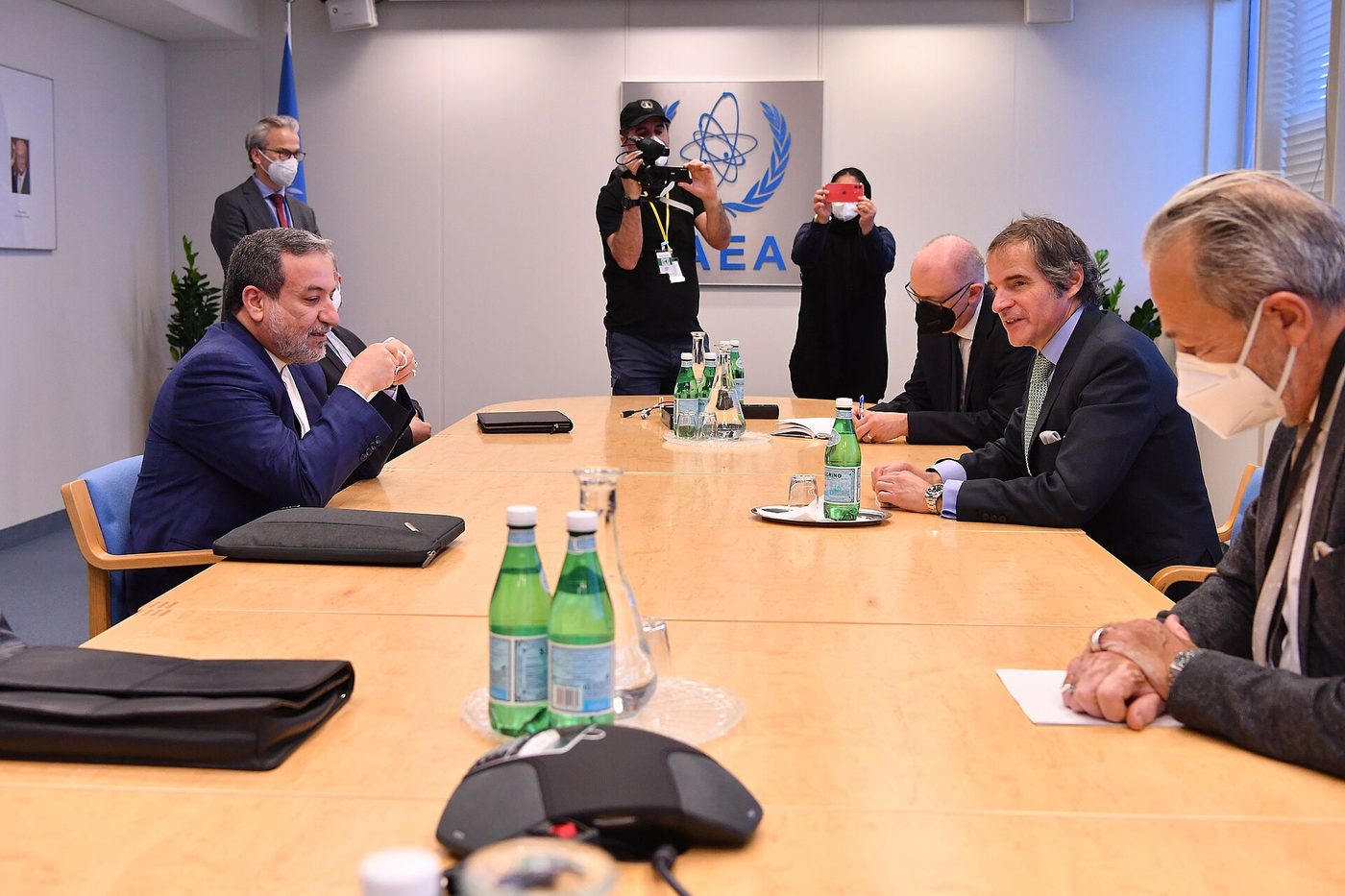
Iran currently faces significant friction with the International Atomic Energy Agency, having restricted inspectors' access to key nuclear facilities. Tehran has justified these limitations by citing security concerns and criticizing the watchdog for its failure to condemn actions taken against Iranian sites. Meanwhile, Russia and China, both of which maintain strategic cooperation agreements with Tehran, remain aligned against any formal alteration to Iran's stated rejection of nuclear arms.
- Tehran maintains that it does not seek nuclear weapons, citing a religious fatwa.
- Foreign Minister Araghchi described the domestic debate over changing the doctrine as a serious and divided issue.
- Tensions remain high due to limited access for international nuclear inspectors at Iranian sites.
Spotted an error? · Our editorial policy
UP NEXTOwaisi Addresses Azam Khan’s Remarks and Outlines Political Priorities in Uttar PradeshSwipe more stories · WorldQuick cards, a few lines each. Tap to open.More from World
Canadian Investigators Link Surrey Double Homicide to Organized Crime
Two people of Indian origin killed in targeted shooting outside Canadian Walmart
Garment Workers Clash with Police in Ashulia Over Minimum Wage Demands