Hundreds of Italian Schools Evacuated Amid Hoax Bomb Threats Spanning Europe
More than 300 Italian schools were cleared after threatening emails, as similar hoax alerts surfaced in the UK and Ireland amid suspicions of a wider campaign.

A wave of alarm across Italian classrooms
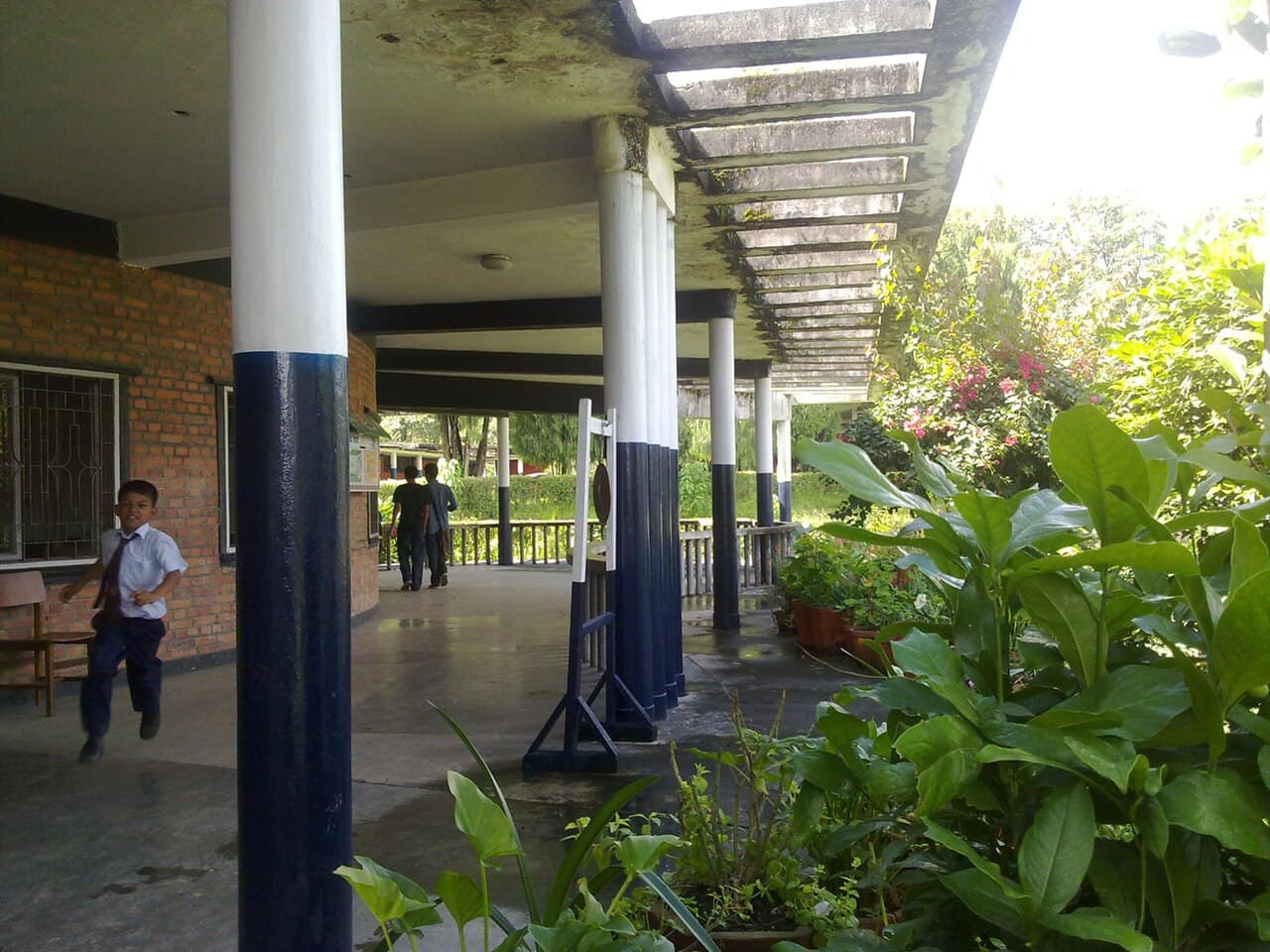
Hundreds of Italian schools were cleared of students on Wednesday after identical threatening messages arrived in inboxes across several regions. Pupils were moved to protected spaces while police checked buildings for explosives. Officials later described the warnings as baseless, though the disruption left families shaken and classes interrupted.
The emails stretched from the capital, Rome, to the northern region of Friuli and the southern region of Basilicata. Education minister Giuseppe Valditara told Italian broadcaster La7 that at least 300 institutions had been affected, and he warned that the count could climb.
Content of the messages
The emails were signed by a figure calling himself Mikhail Andropov, described as the leader of a so-called Vilayat of Misoginistan. The writer claimed a powerful device with a remote trigger had been placed in a school and vowed a mass attack on Italians. A further claim said explosives had been hidden in the engine of Prime Minister Giorgia Meloni’s car. Police in Rome confirmed they are investigating.
Links to threats elsewhere
The same pseudonym has surfaced in other recent communications. Copies of similar emails were sent to newsrooms in Ireland and Bulgaria on Friday, and the name has also appeared in messages to European television broadcasters, some of which claimed responsibility for bomb threats against flights. Schools in Scotland, Northern Ireland and the Republic of Ireland received comparable emails sent from abroad; authorities there quickly judged them to be hoaxes and reported no interruption to lessons.

Investigators have not established that the school alerts, aviation scares and other incidents form a single coordinated operation.
Broader pattern of disruption
The school threats sit within a string of recent disruptions across Europe. False warnings aimed at aircraft have been reported, and a cyberattack reportedly disabled refrigeration units at hundreds of supermarkets last week. Cold-storage failures also forced French blood banks to shift supplies to other facilities. France summoned Iran’s ambassador over the supermarket incident, and Tehran rejected the accusation as baseless and hostile. Some European officials suspect Russia of orchestrating a campaign against countries backing Ukraine; Moscow denies this and accuses Western governments of running a smear campaign.
Official responses
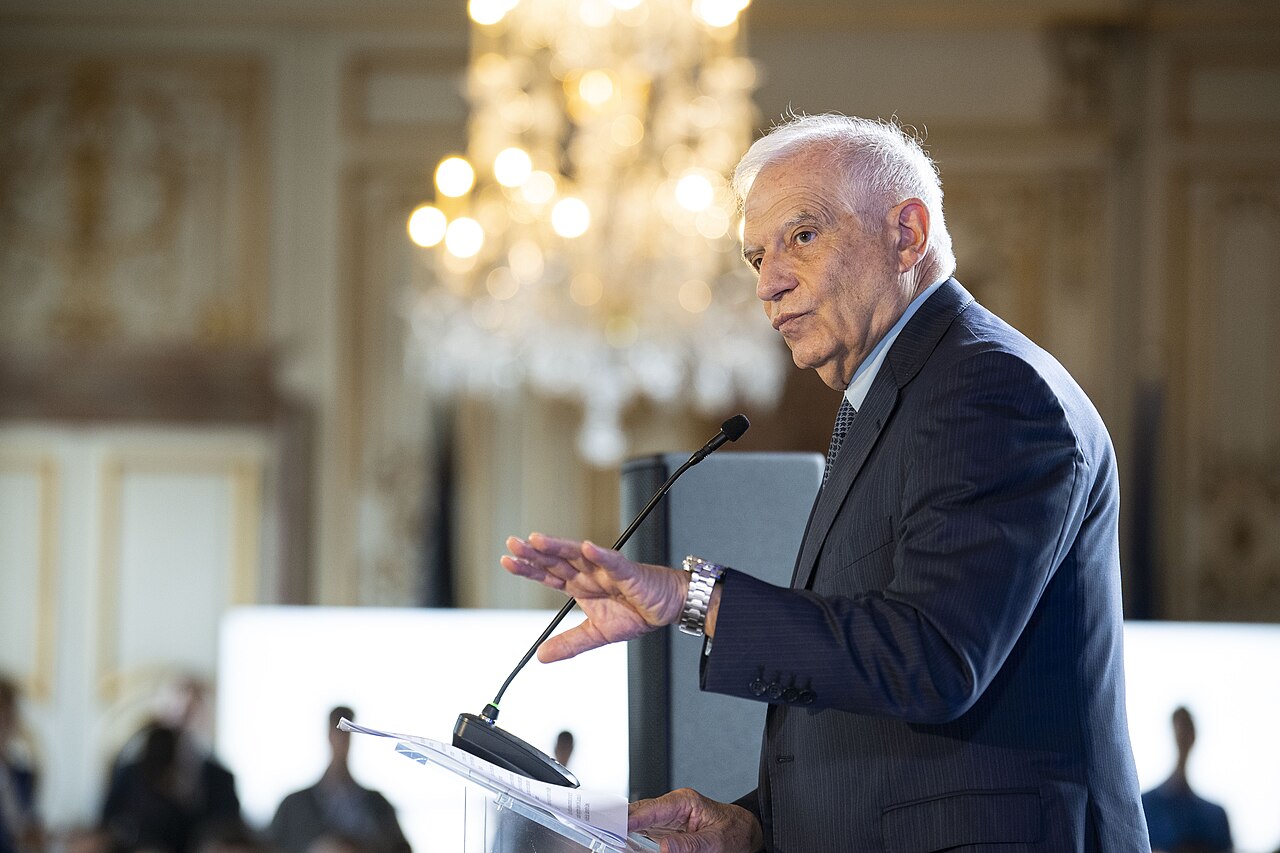
Defence minister Guido Crosetto said the threats appeared to form part of an effort to spread fear, while noting that not every hoax comes from hostile states. “There are also attention-seekers and lunatics,” he said. Italy’s interior ministry convened senior security officials on Tuesday to assess the growing cyber threat, concluding that some attacks seek to sow alarm and erode trust in public institutions. Former interior minister Marco Minniti argued for a dedicated cyber intelligence capability and said the challenge demands cooperation across political lines.
Antonello Giannelli, head of the Italian School Principals Association, said that although the threats were clearly false, the damage to school communities was real and should not be underestimated.
Background and what next
The latest episode follows a similar set of threatening emails that reached more than 270 Italian schools on November 2, which also proved to be false. Police continue their inquiries, and authorities have not yet attributed the messages to a specific actor. Officials have signalled that such incidents could become more frequent, and the government is reviewing how it distinguishes genuine dangers from deliberate disruption.

Spotted an error? Report a correction · Our editorial policy
More from World
Pakistan’s Own Air Agency Questions Diwali Firework Blame for Lahore Smog
Bessent Urges Realism as Washington and Beijing Weigh AI Cooperation Against Rivalry
Tehran Says Enriched Uranium Stays Home as Nuclear Standoff Continues