Global Demographic Shifts: Islam Projected to Surpass Christianity by 2035
New demographic research anticipates that Islam will become the world’s most populous religion within the next fifteen years, primarily driven by higher fertility rates in Muslim communities.

- Islam is projected to become the world's largest religion by 2035 due to higher fertility rates.
- Muslim women had an average of 3.1 children from 2020 to 2025 compared to 2.5 for Christian women.
- The U.S. and Canada are expected to lose their Christian majorities by 2065 and 2030 respectively.
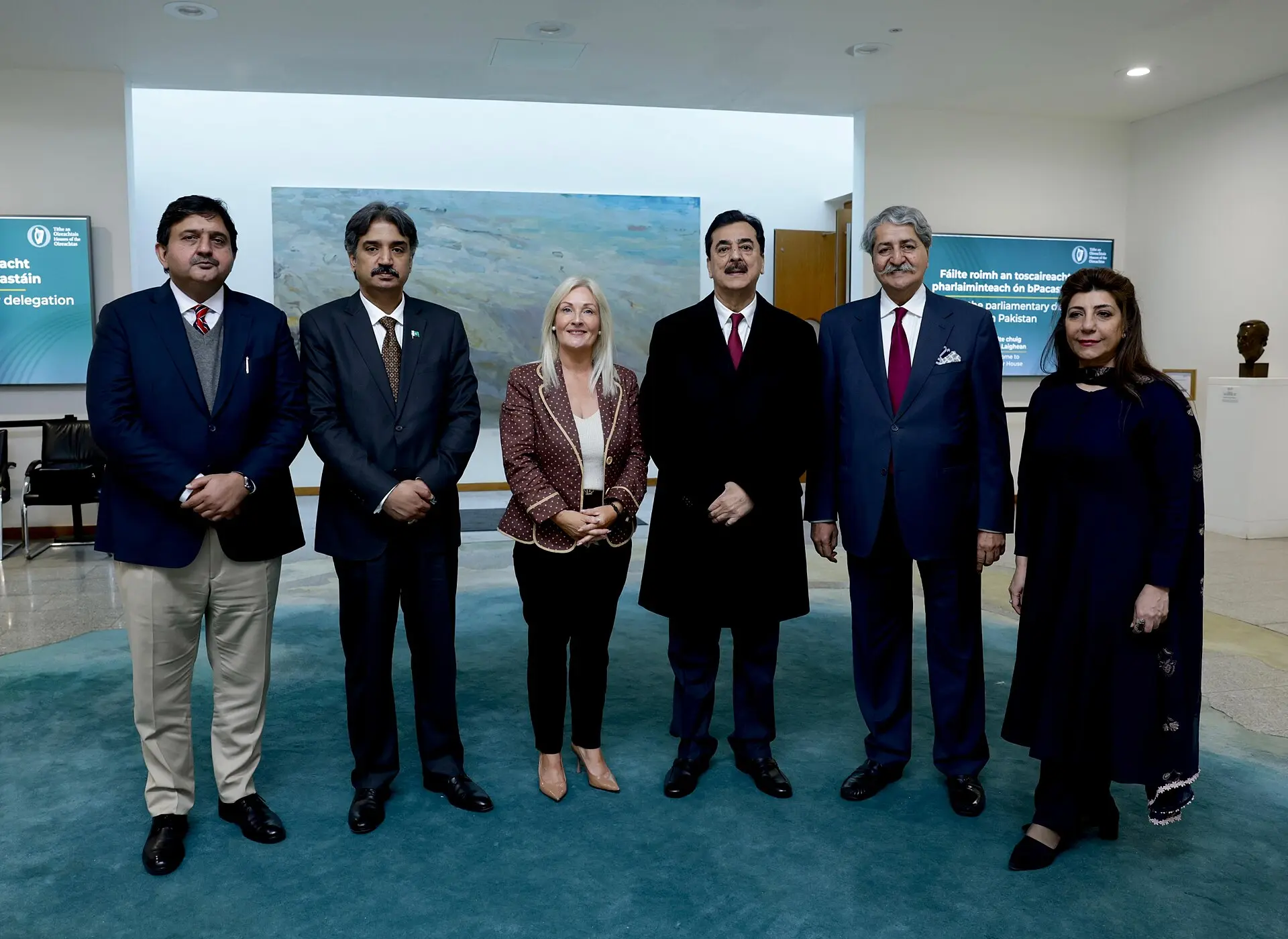
Projections from the Pew Research Center indicate that Islam is on a trajectory to become the world’s largest religious group by 2035, overtaking Christianity. This shift is primarily attributed to sustained higher birth rates among Muslim populations compared to other religious demographics. While both faiths are currently expanding, the disparity in their growth rates suggests a significant change in the composition of the global population over the coming decades.
Fertility Rates as the Primary Driver
Researchers emphasized that fertility levels are the most influential factor in these demographic changes, far outweighing the impact of religious conversions or individual shifts in faith identity. Data from the 2020-2025 period shows that Muslim women had an average of 3.1 children, while Christian women recorded an average of 2.5. By contrast, women in other religious groups averaged 1.6 children, a figure falling below the replacement rate of 2.1 considered necessary to maintain population stability in the absence of migration.
During that five-year window, roughly 252 million babies were born to Muslim mothers, compared to approximately 208 million born to Christian mothers. Furthermore, Muslim communities are identified as the only major religious group expected to see a consistent increase in birth numbers in the years ahead, whereas other groups are anticipated to face stable or gradually declining birth rates.
Regional Growth and Global Realignments
Sub-Saharan Africa is positioned to play a pivotal role in the future of religious demographics. High fertility rates and improving life expectancy in this region are expected to bolster global numbers for both Christianity and Islam. Current projections suggest that by 2070, more than half of the world's Christians will reside in sub-Saharan Africa. The Democratic Republic of Congo is forecast to displace the United States as the country with the largest Christian population, with its Christian demographic expected to rise to 299 million.
Conversely, the religious landscape in Europe is predicted to undergo contraction. The total population of the continent is expected to decrease by 17% by 2070. During this interval, the number of Christians in Europe could drop from 505 million to 324 million. Simultaneously, the Muslim share of the European population is projected to grow from 6% to 13%.
Shifting Majorities in North America
The United States and Canada are also experiencing shifts regarding their long-standing Christian majorities. Pew estimates that Christians currently account for 62% of adults in the U.S., a figure anticipated to fall below 50% by 2065. In Canada, a similar transition is expected to occur earlier, by 2030. These declines are largely linked to a rise in the population of individuals who report no religious affiliation. By 2070, this secular demographic could represent 41% of the U.S. population and potentially outnumber Christians in Canada.
Long-term Projections and National Rankings
By 2035, the global Muslim population is estimated to reach 2.57 billion, narrowly exceeding the projected 2.52 billion for the Christian population. This gap is expected to widen considerably over the ensuing decades. If current trends persist, the global Muslim population could surpass 3.6 billion by 2070, while the Christian population is forecasted to remain slightly under 3 billion. Across the same timeframe, the world population is expected to grow by 29%, with Christianity and Islam being the only major groups growing at least as fast as this global rate.
National rankings are also set to evolve. While Indonesia currently holds the largest Muslim population globally, Pakistan is projected to take the top spot by 2070. India is expected to maintain the second-largest Muslim population, with Nigeria and Indonesia following. Among other faiths, while Hindus and Jews are growing in absolute numbers, their relative share of the total global population is expected to diminish. Meanwhile, the Buddhist population is predicted to shrink in both absolute count and percentage, influenced by aging and population declines in nations like South Korea, Japan, and China.
- Fertility rates are the primary driver of growth differences between religious groups.
- Christians are expected to be in the minority in the U.S. by 2065 and Canada by 2030.
- The Democratic Republic of Congo is projected to host the world's largest Christian population by 2070.
- Projections from the Pew Research Center indicate that Islam is on a trajectory to become the world’s largest religious group by 2035, overtaking Christianity.
Spotted an error? · Our editorial policy
UP NEXTSanjay Kapoor Stars in ‘Unexpected – Safed Sach’ Based on 2024 Dehradun CaseSwipe more stories · WorldQuick cards, a few lines each. Tap to open.