Fresh labour protests close factories across Bangladesh garment sector ahead of wage board meeting
Fresh demonstrations over wage demands have forced dozens of garment factory closures in Bangladesh as security forces deploy across key industrial zones.

- Fifty manufacturing units closed in industrial zones following fresh wage protests
- Workers are demanding an increase in the monthly minimum wage from 12,500 taka to 30,000 taka
- The apparel sector accounts for over 80 percent of export earnings in Bangladesh
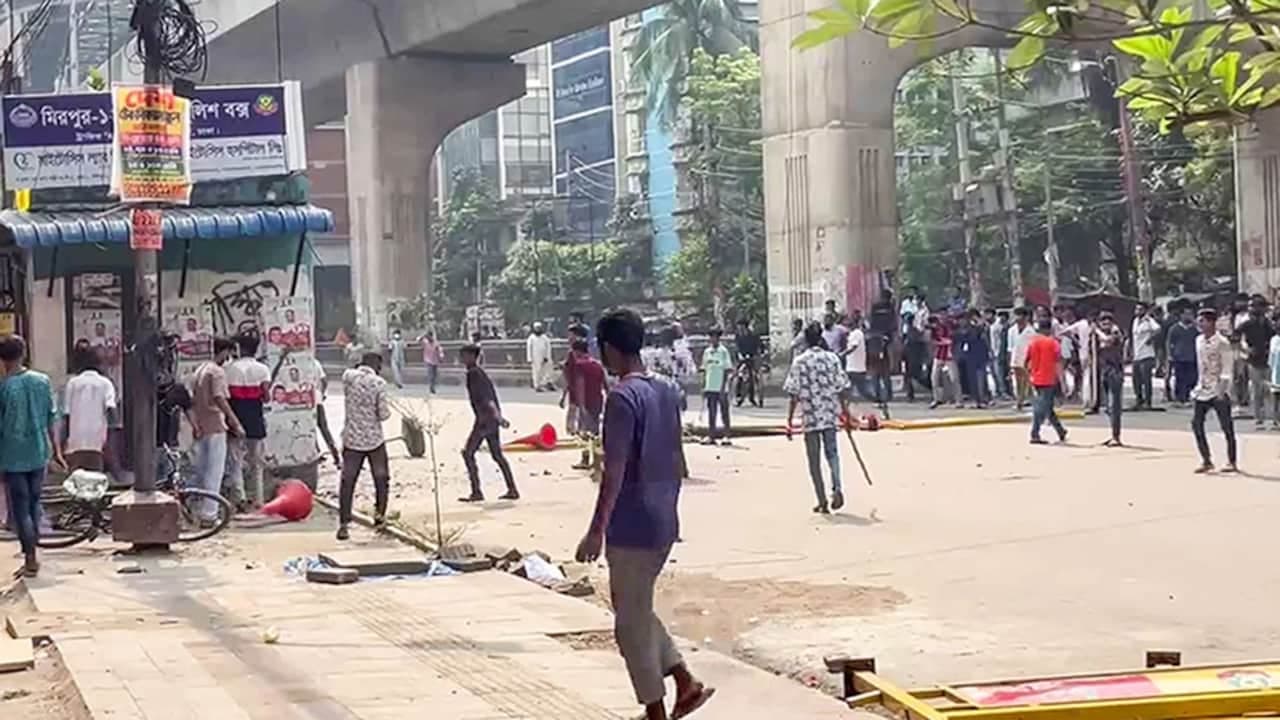
Fresh labour demonstrations have erupted across major industrial belts in Bangladesh, resulting in dozens of factory closures as workers demand higher minimum compensation. The latest disruptions occurred on Sunday in the Gazipur and Ashulia areas, where crowds gathered to press for an increase in monthly earnings.
Factory Closures and Security Deployments
Factory owners reported that a total of 50 manufacturing units within the industrial zone halted operations. Among these, 13 facilities suspended work indefinitely while five other units declared a single-day general holiday. Police responded to gatherings in the Konabari and Mouchak neighbourhoods by deploying tear gas and sound grenades to disperse protesters.
Law enforcement authorities maintained a heavy presence across the affected districts. Gazipur Industrial Police Superintendent Amzad Hossain noted that personnel remained positioned at critical intersections throughout the manufacturing sector. Additional security was established through the deployment of 13 paramilitary platoons from Border Guard Bangladesh, alongside riot-equipped police and specialized tactical units drawing personnel from military branches. Local administrative officials also assigned 25 executive magistrates to oversee security forces.
Wage Demands and Economic Impact
The demonstrations centre on ongoing appeals to lift the baseline monthly compensation from 12,500 taka, equivalent to approximately 100 US dollars, to 30,000 taka, or about 240 US dollars. Employees contend that current earnings fail to cover mounting expenses for food, housing, transport, and medical care. The Bangladesh Garment Manufacturers and Exporters Association indicated that representatives would participate in scheduled consultations while expressing caution regarding future attendance depending on security developments.
The apparel manufacturing industry accounts for over 80 percent of export earnings in Bangladesh, positioning the nation as the second-largest garment exporter globally after China. The sector provides employment to more than four million individuals and supplies major international fashion labels such as H&M, Zara, and Gap. Industry representatives warned that prolonged disruptions during peak production periods for spring and summer merchandise risk delaying shipments, eroding buyer confidence, and triggering order cancellations.
Wage Board Schedule and Political Context
A government-appointed Minimum Wage Board, led by a senior district judge, scheduled a meeting to continue deliberations on a revised pay structure. Officials anticipate that final recommendations will be issued by the end of November, with implementation planned for December and the first adjusted disbursements scheduled for January. Management previously issued warnings regarding unpaid indefinite closures for locations where personnel decline to resume standard operations.
Political tensions have accompanied the labour disputes following past clashes that involved torched vehicles and blocked highways in November. Ruling party activists have engaged in anti-protest patrols, while administration advisers have alleged that supporters of the former political leadership are attempting to instigate instability. The prior administration was unseated following a student-led uprising in August 2024.
- Paramilitary and police forces were deployed to maintain order across Gazipur and Ashulia industrial zones
- The Bangladesh Garment Manufacturers and Exporters Association plans to submit proposals at the upcoming wage board meeting
- Industry leaders warned that prolonged disruptions could jeopardize international shipments and brand relationships
- Fresh labour demonstrations have erupted across major industrial belts in Bangladesh, resulting in dozens of factory closures as workers demand higher minimum compensation.
Spotted an error? · Our editorial policy
UP NEXTSarfaraz Khan Details Emotional Toll of Dressing-Room Leak Allegations and Gambhir’s SupportOther angles · #Bangladesh
Timeline →- NewsIndia Supports Rohingya Repatriation Following Historic ICJ Genocide Ruling Against Myanmar
- NewsIndia Declines Comment on Bangladesh Leader’s Remarks Regarding Alleged Conspiracies
- NewsBangladesh Deploys Paramilitary Forces Amid Surge in Political Violence
- NewsViolence and Arson Escalates Across Bangladesh as Banned Awami League Launches Nationwide Shutdown