Cape Verde Holds Presidential Election With Historic Woman Candidate and Incumbent Contender
Cape Verdeans went to the polls on Sunday in a presidential election that could result in the nation choosing its first female head of state since gaining independence from Portugal in 1975.

- Cape Verde held a presidential election on Sunday featuring incumbent Jose Maria Neves and challenger Joana Rosa.
- Joana Rosa is the first female presidential candidate since the nation gained independence from Portugal in 1975.
- A runoff election is scheduled for November 29 if no candidate secures more than fifty percent of the vote.
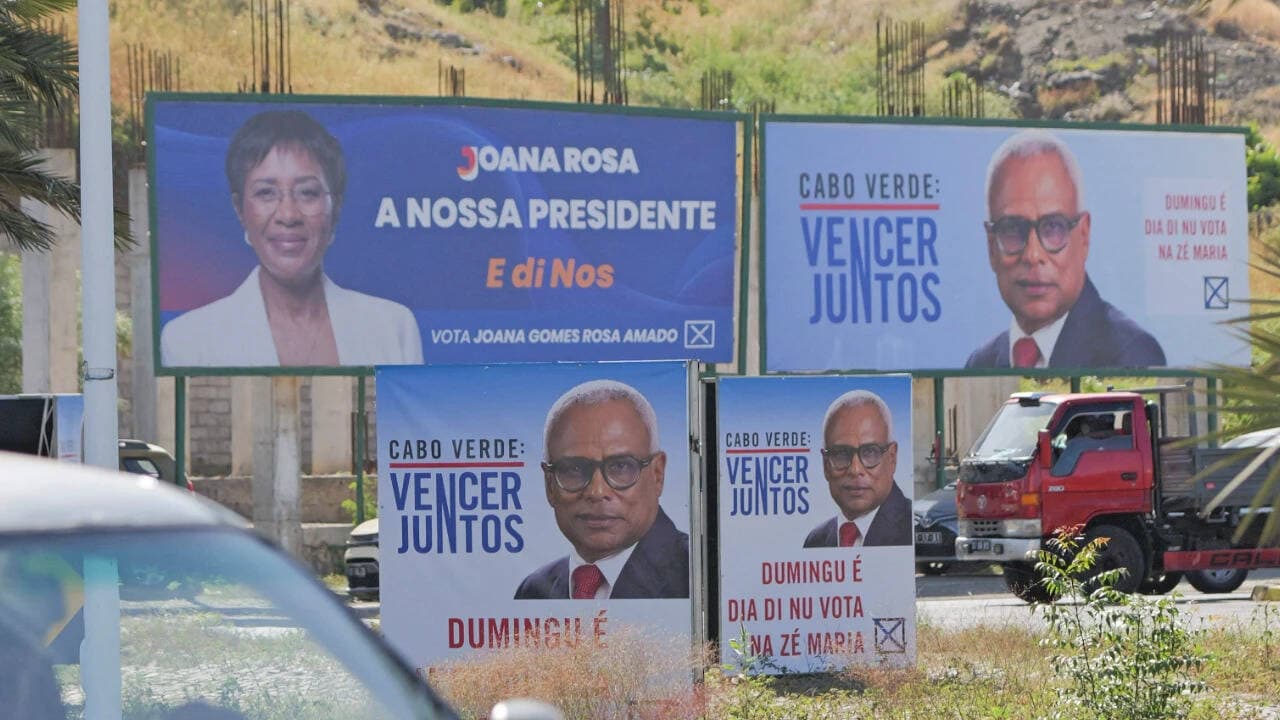
Citizens of the Atlantic island nation participated in a presidential contest featuring incumbent leader Jose Maria Neves alongside challenger Joana Rosa. Six contenders entered the race, with voting sites scheduled to operate from eight in the morning until six in the evening. Election officials anticipated preliminary outcomes within a span of two to three days. Should no contender capture an absolute majority surpassing fifty percent, a runoff contest has been scheduled for November 29.
Candidates and Political Landscape
The incumbent president, who previously served fifteen years as prime minister before winning the presidency in 2021 with roughly fifty-two percent of the vote, seeks a second term. His platform focuses on fostering cross-party consensus to enhance healthcare, education, housing facilities, employment opportunities, and wage levels, alongside a planned youth summit. He represents the African Party for the Independence of Cape Verde, which secured thirty-seven of seventy-two parliamentary seats during the month of May, concluding ten years of administration by the rival party.
His principal challenger represents the opposition Movement for Democracy and marks the first female contender for the presidency since national independence. Although women have occupied senior cabinet positions, the country has never experienced a female prime minister or president. Political analysts note that her bid confronts traditional expectations within a patriarchal society. Her platform centers on political balance, advocating for a presidential counterweight to the governing party and urging policies that encourage young citizens to construct futures domestically rather than emigrate.
Demographics and Institutional Dynamics
The archipelago accommodates roughly half a million residents while maintaining a substantial diaspora community overseas, particularly across the United States and Portugal. Nearly seventy-seven thousand citizens residing abroad registered for the ballot, constituting almost twenty percent of the overall electorate. Experts observe that incumbency provides the sitting president with heightened visibility among these overseas participants, while traditional party allegiances continue to influence voter decisions significantly.
Under the constitutional framework, the prime minister directs government policy and exercises the majority of executive authority. Meanwhile, the head of state holds mediating responsibilities and veto capabilities. A victory by the opposition challenger would place the presidency and the parliamentary government into opposing political camps.
Migration Pressures and Expert Insights
The electoral process unfolds while the West African island nation contends with a persistent outflow of young residents departing in search of employment abroad due to restricted domestic prospects. Local commentators highlight that voters frequently feel disconnected from governance and desire leadership attuned to everyday economic hurdles. Additional commentary points out that while women carry heavy household financial responsibilities, institutional measures have historically lagged in addressing these specific domestic burdens.
- The archipelago nation of half a million people has nearly 77,000 registered voters living abroad.
- The prime minister holds most executive power under the country's system, while the president retains veto and mediating roles.
- Campaign issues include youth emigration, economic opportunities, and maintaining a political balance of power.
Spotted an error? · Our editorial policy
UP NEXTSanjay Kapoor Stars in ‘Unexpected – Safed Sach’ Based on 2024 Dehradun CaseSwipe more stories · WorldQuick cards, a few lines each. Tap to open.