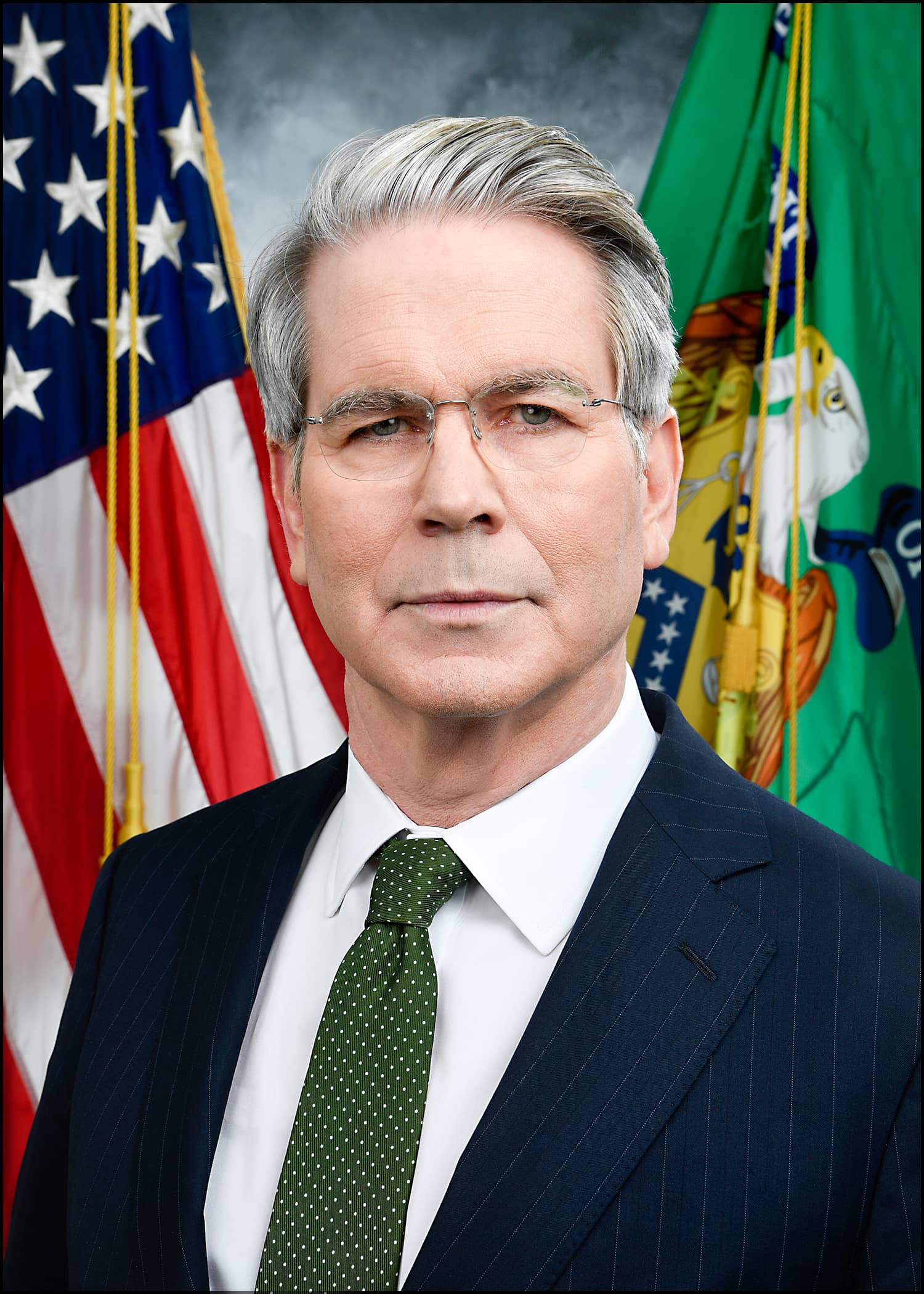
Xi, Trump, and Putin Gather in Shenzhen for High-Stakes Trilateral Summit
Leaders from China, the United States, and Russia have converged in Shenzhen for a significant trilateral meeting amid concerns regarding global stability and geopolitical shifts.

- President Xi personally welcomed President Trump in Shenzhen before their trilateral summit with Vladimir Putin.
- Discussions are expected to cover nuclear disarmament, regional stability, and the conflict in Ukraine.
- President Putin expressed a belief that Western sanctions have failed and urged for unity.
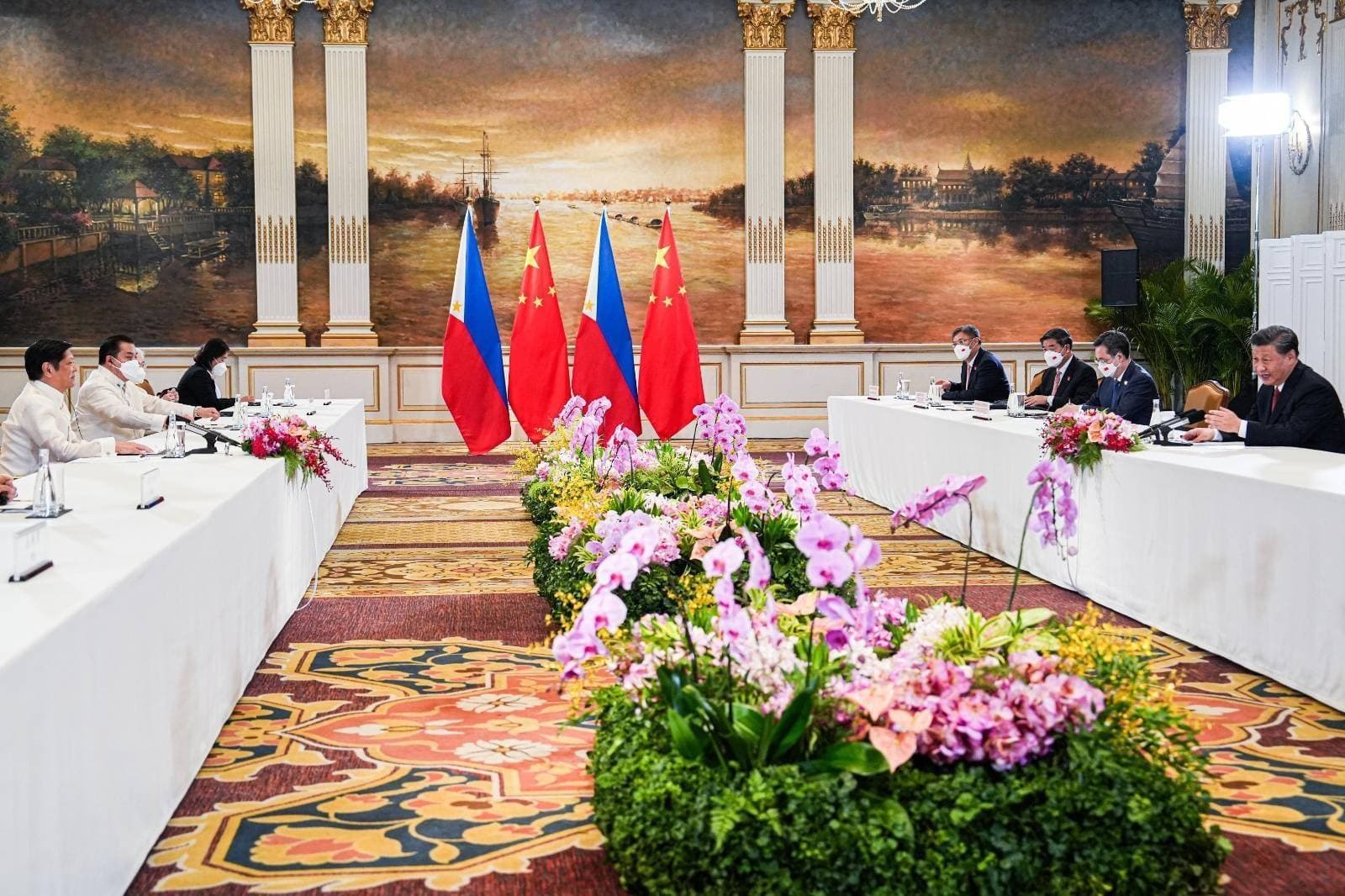
President Xi Jinping of China welcomed United States President Donald Trump to Shenzhen on Wednesday, setting the stage for a notable trilateral summit involving Russian President Vladimir Putin. The arrival ceremony, held at Bao'an International Airport, featured a display of national anthems and a flyover by fighter jets, marking a significant diplomatic gesture as the Chinese leader personally greeted his American counterpart. Following the tarmac arrival, the two heads of state proceeded along a red carpet to a motorcade that transported the U.S. delegation through city streets cleared for the event.
The Trilateral Agenda and Geopolitical Tensions
The upcoming meeting, which brings together the leaders of the three major powers, has prompted widespread speculation regarding potential shifts in international influence. While official details regarding the specific agenda remain officially unconfirmed, sources from Washington have suggested that primary discussion topics include nuclear disarmament—following the expiration of a U.S.-Russia bilateral treaty in February—and the ongoing conflict in Iran. The situation in Ukraine is also expected to be a focal point, despite previous signals from Chinese officials that they viewed the matter as outside the scope of their domestic concerns.
There is growing international apprehension that these discussions might lead to a reorganization of global spheres of influence, potentially bypassing the interests of European nations and the government in Kyiv. Ukrainian Foreign Minister Andriy Sybiga has publicly expressed his hope that both the American and Chinese leadership would exert influence on Russia to facilitate an end to the hostilities. Meanwhile, Canadian Prime Minister Mark Carney reaffirmed during the regional APEC gathering that economic sanctions against Russia are set to expand as long as the war persists.
Russia's Stance and Regional Diplomacy
Addressing the broader Asia-Pacific Economic Cooperation summit, President Putin adopted a defiant tone regarding Western economic restrictions. He characterized the sanctions imposed since the 2022 invasion of Ukraine as ineffective and argued that the international community should prioritize dialogue over ultimatums to mitigate rising military-political risks. Despite being largely isolated by Western powers for the past several years, Putin has maintained a consistent diplomatic channel with President Trump, marking their interaction in Shenzhen as an anticipated opportunity for strategic communication.
Though the leaders were seen briefly together at a welcome dinner preceding their formal sessions, Russian state media indicated that a comprehensive, full-scale bilateral meeting exclusively between Putin and Trump is unlikely to occur during this specific trip. Putin and Xi, who have frequently emphasized their personal camaraderie, met for their fifth time this year, exploring avenues for enhanced cooperation between their militaries, political parties, and legislative bodies.
The Broader Context of Trump’s Pacific Tour
President Trump arrived in China following participation in an ASEAN summit in the Philippines. That journey included his first meeting with the leaders of the Quad alliance—Australia, India, and Japan—since the commencement of his second term. This grouping is widely recognized as a strategic effort to balance China’s growing reach within the region. During his time in Manila, discussions also touched upon the possibility of an outreach to North Korean leadership, with the U.S. president suggesting an interest in meeting Kim Jong Un, though Secretary of State Marco Rubio refrained from confirming such a summit.
Economic friction remains a significant undercurrent to these diplomatic maneuvers. The U.S. administration has continued its focus on tariff policies and supply chain security, drawing criticism from Chinese officials. Premier Li Qiang recently vocalized opposition to what he described as a surge in unilateralism and protectionist measures. Furthermore, President Trump has asserted that the United States would achieve parity with China in rare-earths production within a ten-month timeframe, highlighting the competitive tensions that persist despite the high-level dialogue occurring in Shenzhen.
- The meeting is the first formal trilateral summit between the three nations in the host city.
- Security and logistical measures in Shenzhen were tightened significantly for the arrival of the international delegations.
- President Trump's visit follows a diplomatic tour of the Philippines involving ASEAN and Quad meetings.
- Official communication from both U.S. and Chinese sources suggests an intent to stabilize bilateral relations.
Spotted an error? · Our editorial policy
UP NEXTDadasaheb Phalke International Film Festival Awards 2026: Taylor Swift and James Cameron Among WinnersOther angles · #Donald Trump
Timeline →- NewsDonald Trump Jokingly Asks White House Chief of Staff Stephen Miller About 2028 Presidential Run
- NewsTrump Backs Jensen Huang’s Return to Nvidia Amid Board Resistance and Intelligence Scrutiny
- NewsTrump Discusses Nuclear Buildup and AI Safeguards Following Trilateral Summit with Xi and Putin
- NewsTrump Threatens Heavy Taxes on US Firms Constructing Data Centers Overseas
More from World Politics
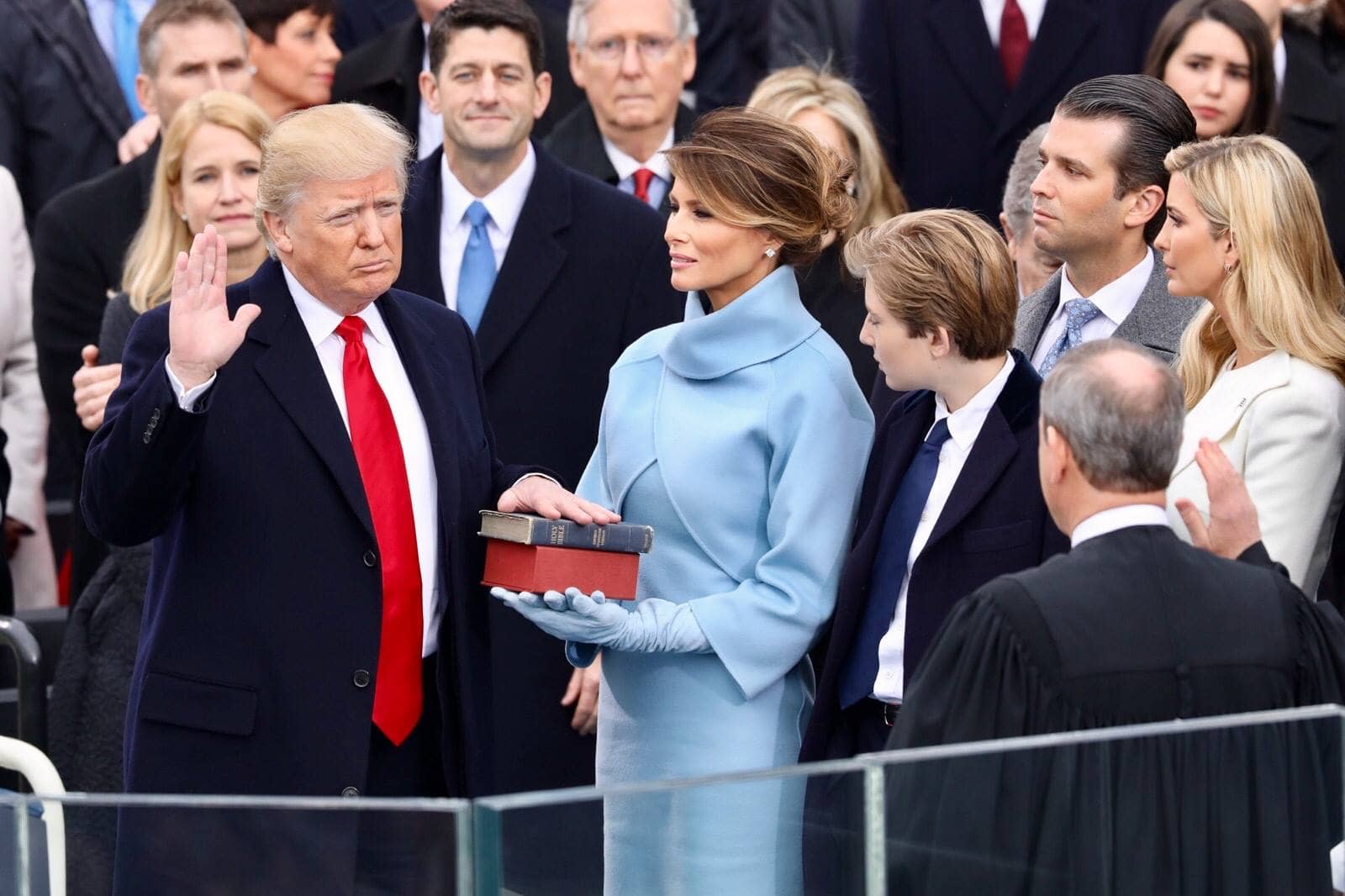
Donald Trump Jokingly Asks White House Chief of Staff Stephen Miller About 2028 Presidential Run
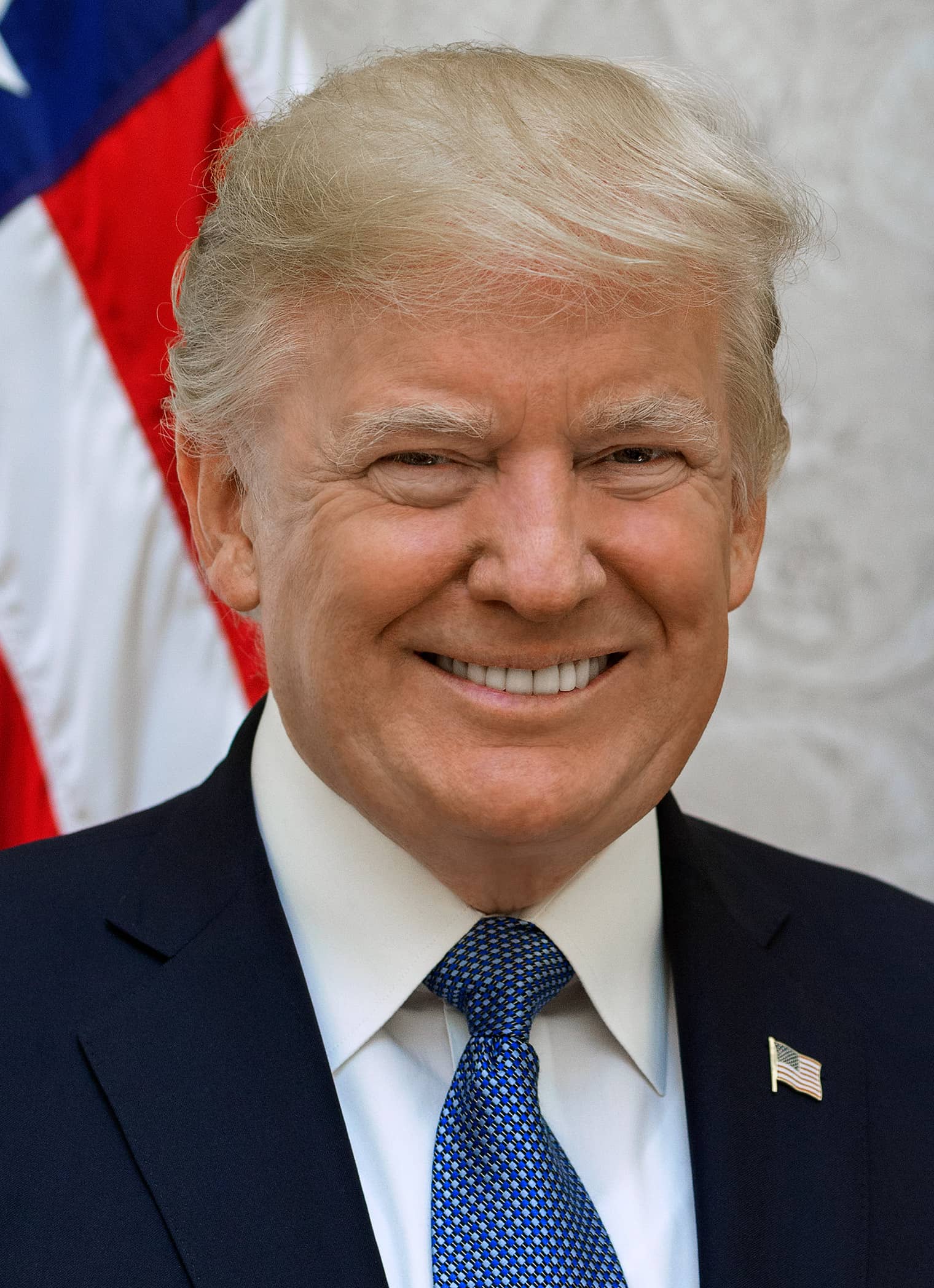
Trump Discusses Nuclear Buildup and AI Safeguards Following Trilateral Summit with Xi and Putin

Trump Threatens Heavy Taxes on US Firms Constructing Data Centers Overseas