Xi and Putin Meet in Shenzhen Ahead of Trilateral Summit With Trump
Chinese leader Xi Jinping and Russian counterpart Vladimir Putin have commenced discussions in Shenzhen ahead of a three-way summit with Donald Trump.

- Xi Jinping and Vladimir Putin held bilateral talks in Shenzhen ahead of a trilateral summit with Donald Trump.
- Discussions are expected to cover regional security, nuclear disarmament, and global stability.
- Washington introduced new licensing requirements for high-end artificial intelligence chip exports to several Southeast Asian nations.
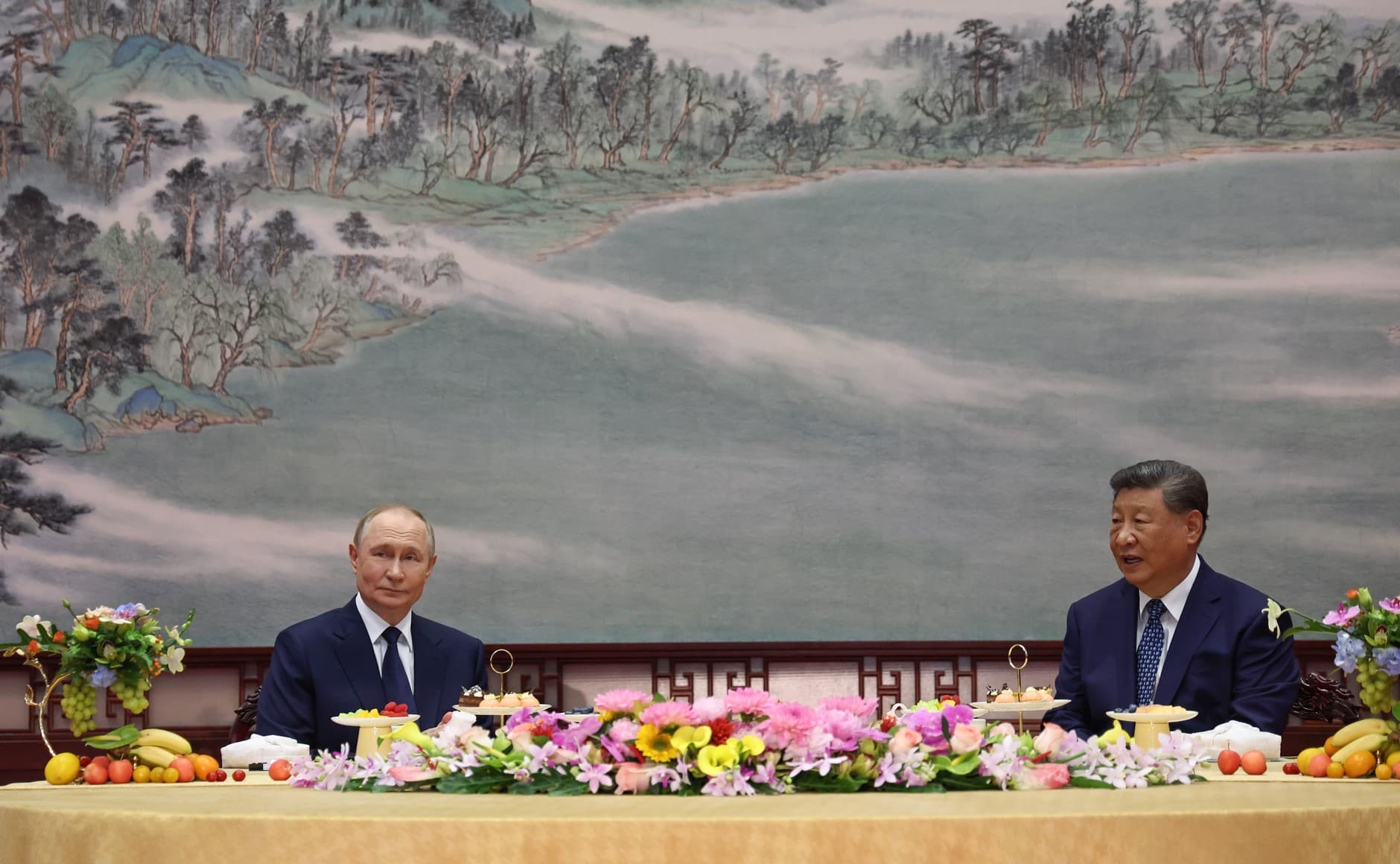
Chinese leader Xi Jinping and Russian counterpart Vladimir Putin began bilateral discussions in Shenzhen on Wednesday, marking their fifth meeting of the year. The initial encounter precedes a scheduled three-way gathering with United States leader Donald Trump in the southern Chinese city. The upcoming trilateral has raised concerns among observers that the three major powers might negotiate international arrangements regarding Ukraine independently from Kyiv and European nations, potentially establishing twenty-first-century spheres of influence.
Diplomatic Agendas and Nuclear Stances
Washington previously indicated that the situation in Ukraine would not feature on the agenda, though Trump later stated that the topic would indeed be addressed. Beijing maintained that the leaders would engage in extensive discussions concerning global peace and strategic stability within major-power relations during the Asia-Pacific Economic Cooperation gathering. According to United States officials, nuclear disarmament and the ongoing conflict involving Iran are also scheduled for review following the expiration of a bilateral atomic weapons treaty between Washington and Moscow in February. Beijing has historically maintained that the United States and Russia must significantly downscale their respective nuclear inventories prior to participating in any multilateral discussions regarding its own smaller stockpile.
Regional Security and Quad Engagement
While discussions commenced in Shenzhen, Trump remained in the Philippines following a meeting with leaders of the Quad security grouping, which includes Australia, Japan, and India. The alliance is structured to counterbalance Chinese regional influence. During his stay, Trump indicated an interest in holding individual discussions with Putin and North Korean leader Kim Jong Un during his visit to China, noting that Kim had expressed a desire to meet. United States Secretary of State Marco Rubio refrained from confirming a scheduled meeting with Kim, emphasizing the necessity of diplomatic engagement to resolve regional challenges. Protests materialized in Manila, where approximately two thousand demonstrators gathered with banners expressing opposition to Trump and the Pax Silica supply chain initiative.
Trade Friction and Advanced Technology Controls
Discussions across the region have been heavily influenced by ongoing trade disputes and tariff policies. Chinese Premier Li Qiang criticized protectionist measures during recent proceedings, while Brazilian President Luiz Inacio Lula da Silva and Canadian official Mark Carney emphasized the importance of reducing economic reliance on the American market. Trump reiterated assertions regarding domestic production capabilities, stating that the United States would achieve parity with Chinese rare-earths output within a ten-month timeframe. Concurrently, Washington implemented regulations requiring special export licenses for shipments of advanced artificial intelligence semiconductors destined for Singapore, Malaysia, Thailand, and Indonesia, citing elevated risks of unauthorized diversion. Singapore authorities indicated they are actively investigating mechanisms to secure reliable semiconductor access for domestic enterprises.
Domestic Developments and ASEAN Outcomes
Before traveling to Shenzhen, Trump was scheduled to meet with Philippine leader Ferdinand Marcos at the presidential palace. The Pax Silica supply chain framework, designed to address semiconductor and rare-earth supply dependencies, has drawn sustained opposition from local groups concerned about land displacement. As the Association of Southeast Asian Nations summit concluded, Marcos highlighted the ratification of a Digital Economy Framework Agreement intended to facilitate cross-border digital commerce. However, Marcos noted that member states were unable to finalize a formal code of conduct regarding the South China Sea during the Philippines' tenure as bloc chair, leaving approximately ten percent of the negotiations unresolved as leadership transitions to Singapore.
- Xi and Putin convened in Shenzhen for their fifth meeting of the year ahead of trilateral talks.
- United States officials noted that nuclear disarmament and strategic stability are on the diplomatic agenda.
- New export controls on advanced semiconductors were announced for several Southeast Asian economies.
Spotted an error? · Our editorial policy
UP NEXTDadasaheb Phalke International Film Festival Awards 2026: Taylor Swift and James Cameron Among WinnersOther angles · #Donald Trump
Timeline →- NewsDonald Trump Jokingly Asks White House Chief of Staff Stephen Miller About 2028 Presidential Run
- NewsTrump Backs Jensen Huang’s Return to Nvidia Amid Board Resistance and Intelligence Scrutiny
- NewsTrump Discusses Nuclear Buildup and AI Safeguards Following Trilateral Summit with Xi and Putin
- NewsTrump Threatens Heavy Taxes on US Firms Constructing Data Centers Overseas
More from World Politics
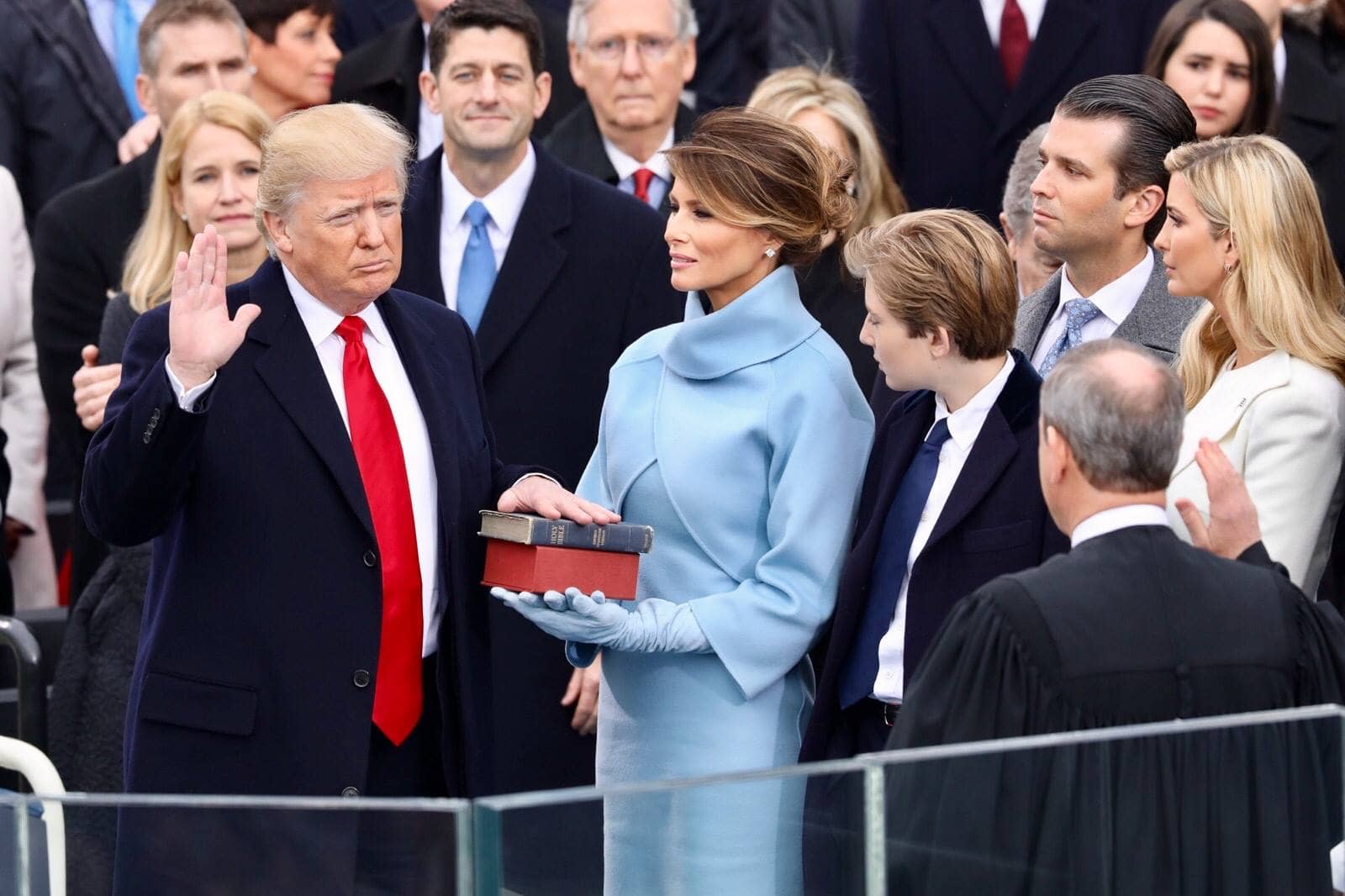
Donald Trump Jokingly Asks White House Chief of Staff Stephen Miller About 2028 Presidential Run
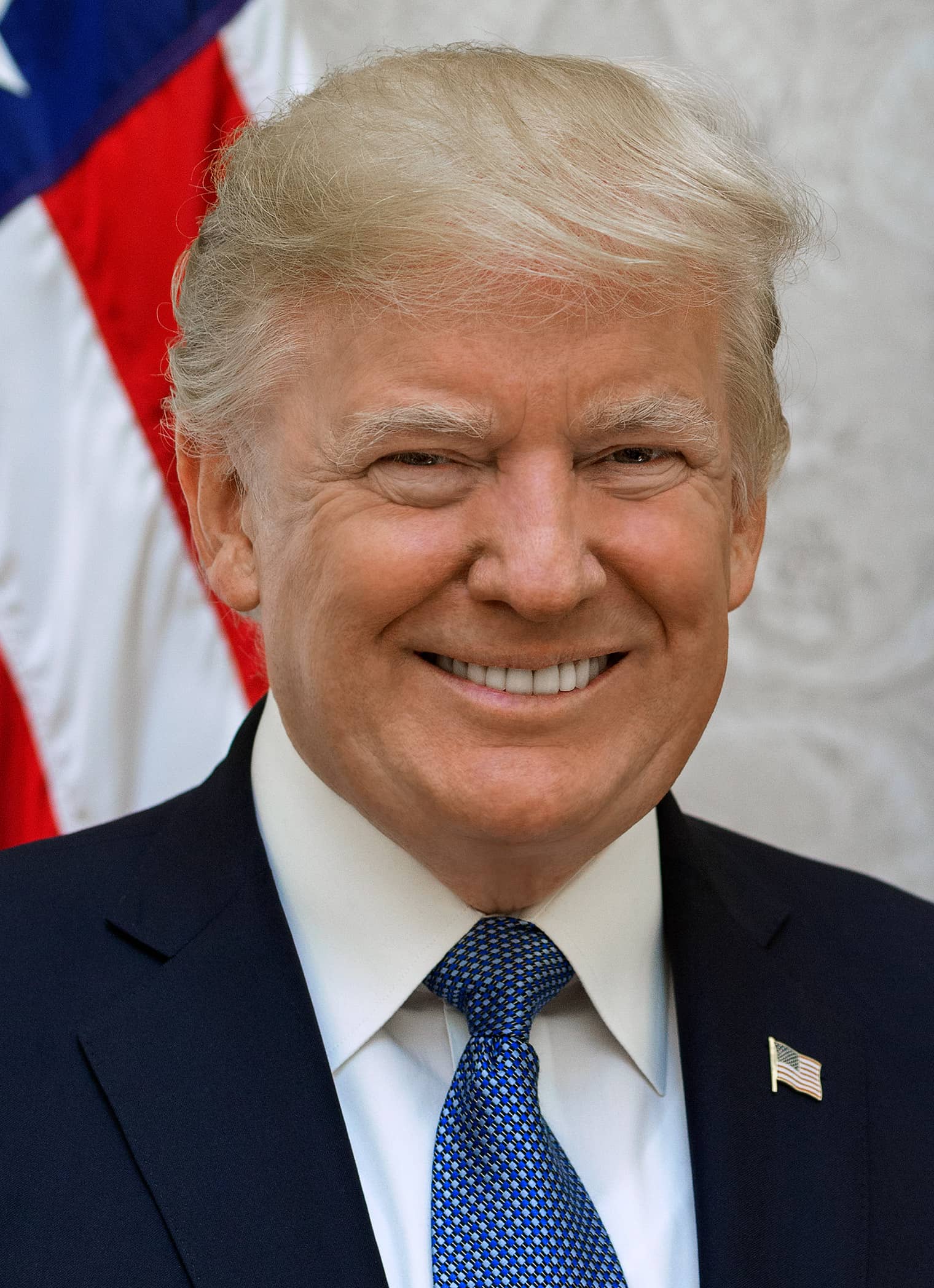
Trump Discusses Nuclear Buildup and AI Safeguards Following Trilateral Summit with Xi and Putin

Trump Threatens Heavy Taxes on US Firms Constructing Data Centers Overseas