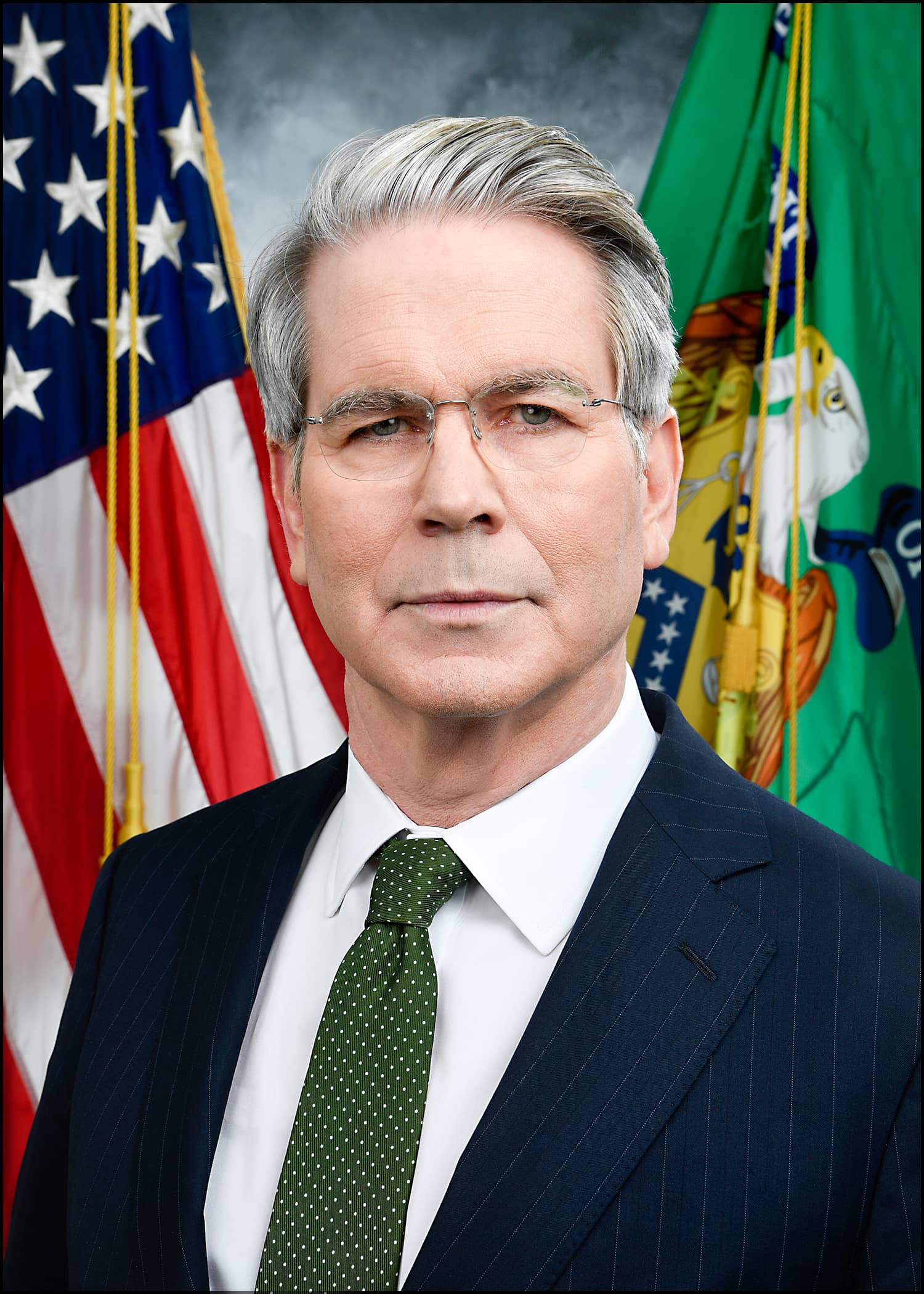
World Leaders Gather in Shenzhen Ahead of Trilateral Summit Amid Global Trade and Security Tensions
Presidents Xi Jinping and Vladimir Putin criticized Western trade policies and sanctions during the APEC summit in Shenzhen ahead of a high-stakes trilateral meeting with US leader Donald Trump.

- Xi Jinping and Vladimir Putin delivered speeches at the APEC summit in Shenzhen ahead of a trilateral meeting with Donald Trump.
- Xi criticized trade protectionism and pledged to lower tariffs, while Putin slammed Western sanctions as ineffective.
- Washington announced new export license requirements for advanced AI chips destined for several Southeast Asian nations.
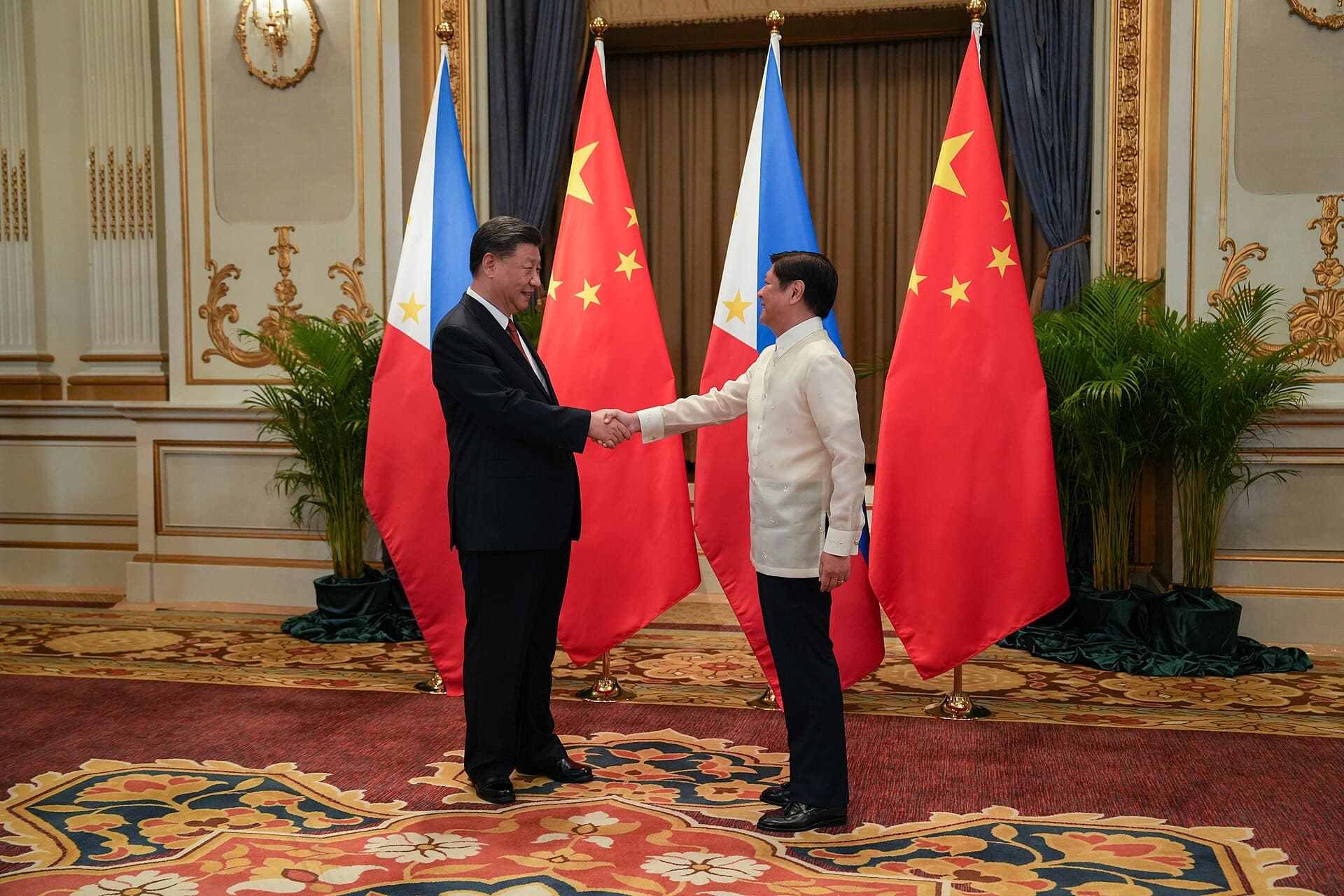
Leaders from major global economies gathered in the southern Chinese tech hub of Shenzhen for the Asia-Pacific Economic Cooperation summit, setting the stage for a high-stakes trilateral meeting between Chinese President Xi Jinping, Russian President Vladimir Putin, and US leader Donald Trump. The upcoming discussions have drawn considerable international attention, with critics and regional observers comparing the diplomatic alignment to historical great-power conferences that established post-war spheres of influence.
Trade Protectionism and Sanctions Debated
Addressing business executives at the gathering, Chinese President Xi Jinping pledged to resist trade protectionism and unilateralism while advocating for a rules-based multilateral trading system centered on the World Trade Organization. Xi emphasized that China will lower tariffs, expand market access, and continue developing new technologies aimed at benefiting other nations. Meanwhile, Russian President Vladimir Putin used his address to criticize Western economic penalties and restrictions, describing traditional tools of economic dominance as failing and asserting that his country has grown stronger despite measures imposed following the 2003 invasion of Ukraine.
Bilateral Talks and Regional Security Focus
Prior to the joint trilateral talks, Xi and Putin held a bilateral meeting on the sidelines of the summit, marking their fifth encounter of the year. The two counterparts praised their ongoing strategic partnership and urged closer institutional exchanges between their respective governments, legislative bodies, militaries, and political parties. Russian officials indicated that the leaders also planned to discuss energy, finance, and foreign policy priorities, including North Korea and the ongoing conflict in Ukraine.
US Regional Engagement and Chip Restrictions
US leader Donald Trump arrived in Shenzhen following visits to the Philippines, where he participated in regional engagements with Association of Southeast Asian Nations members and met with Quad allies including Australia, Japan, and India. Ahead of his arrival in China, Washington implemented new regulatory measures requiring special licenses for firms shipping advanced artificial intelligence chips to Singapore, Malaysia, Thailand, and Indonesia, citing a higher-than-normal risk of technology diversion. Singapore officials responded by initiating efforts to establish trusted access frameworks for local enterprises.
Nuclear Disarmament and International Flashpoints
Washington officials stated that the agenda for Thursday's trilateral meeting would encompass nuclear disarmament and the ongoing war in Iran, following the expiration of a bilateral atomic weapons treaty between the United States and Russia. Beijing has maintained that the world's two largest nuclear powers must significantly reduce their arsenals before participating in broader multilateral talks regarding its own smaller stockpile. Canadian Prime Minister Mark Carney, also attending the summit in Shenzhen, noted that economic sanctions against Russia will persist for the duration of the conflict in Ukraine.
Diplomatic Reactions and Protests
The prospect of a three-way meeting between Beijing, Moscow, and Washington has caused apprehension among leaders of smaller economies in Europe and Asia, who expressed concern that major military powers might disregard regional interests. In the Philippines, Trump's prior stop was met with demonstrations as approximately two thousand protesters gathered with banners opposing US supply chain initiatives and foreign policy stances. While the Kremlin dismissed comparisons to the 1945 Yalta Conference as political science speculation, Beijing maintained that the diplomatic engagement will contribute to global peace and stability.
- The APEC summit in Shenzhen hosted high-level addresses from Xi Jinping and Vladimir Putin.
- Washington introduced tighter export controls on high-end AI chips shipped to select Southeast Asian markets.
- Regional observers and smaller economies voiced concerns regarding potential great-power agreements.
- Leaders from major global economies gathered in the southern Chinese tech hub of Shenzhen for the Asia-Pacific Economic Cooperation summit, setting the stage for a high-stakes trilateral meeting between Chinese President Xi Jinping, Russian President Vladimir Putin, and US leader Donald Trump.
Spotted an error? · Our editorial policy
UP NEXTDadasaheb Phalke International Film Festival Awards 2026: Taylor Swift and James Cameron Among WinnersOther angles · #APEC
Timeline →- NewsTrump Expresses Optimism for Ukraine Peace Deal Following Talks With Putin
- NewsUS, Russian and Chinese Leaders Issue Joint Peace Declaration at APEC Summit
- NewsDonald Trump Concludes Asia Trip Amidst High-Profile Summits and Diplomatic Spectacle
- NewsTrump, Xi and Putin Hold First Trilateral Talks on Nuclear Arms and Global Conflicts at APEC
More from World Politics
Donald Trump Jokingly Asks White House Chief of Staff Stephen Miller About 2028 Presidential Run
Trump Discusses Nuclear Buildup and AI Safeguards Following Trilateral Summit with Xi and Putin
Trump Threatens Heavy Taxes on US Firms Constructing Data Centers Overseas