US Court Seeks Delhi Judiciary Assistance to Deliver Summons in Pannun Lawsuit
A United States district court has asked three Delhi district courts for assistance in delivering judicial documents to National Security Adviser Ajit Doval and former intelligence chief Samant Goel.

- A US district court asked three Delhi courts to help serve summons on NSA Ajit Doval and former RAW chief Samant Goel.
- Judge Katherine Polk Failla authorized alternative service after standard Hague Convention channels were rejected.
- Sources described the legal move as a routine procedural step that does not make the summons legally binding.
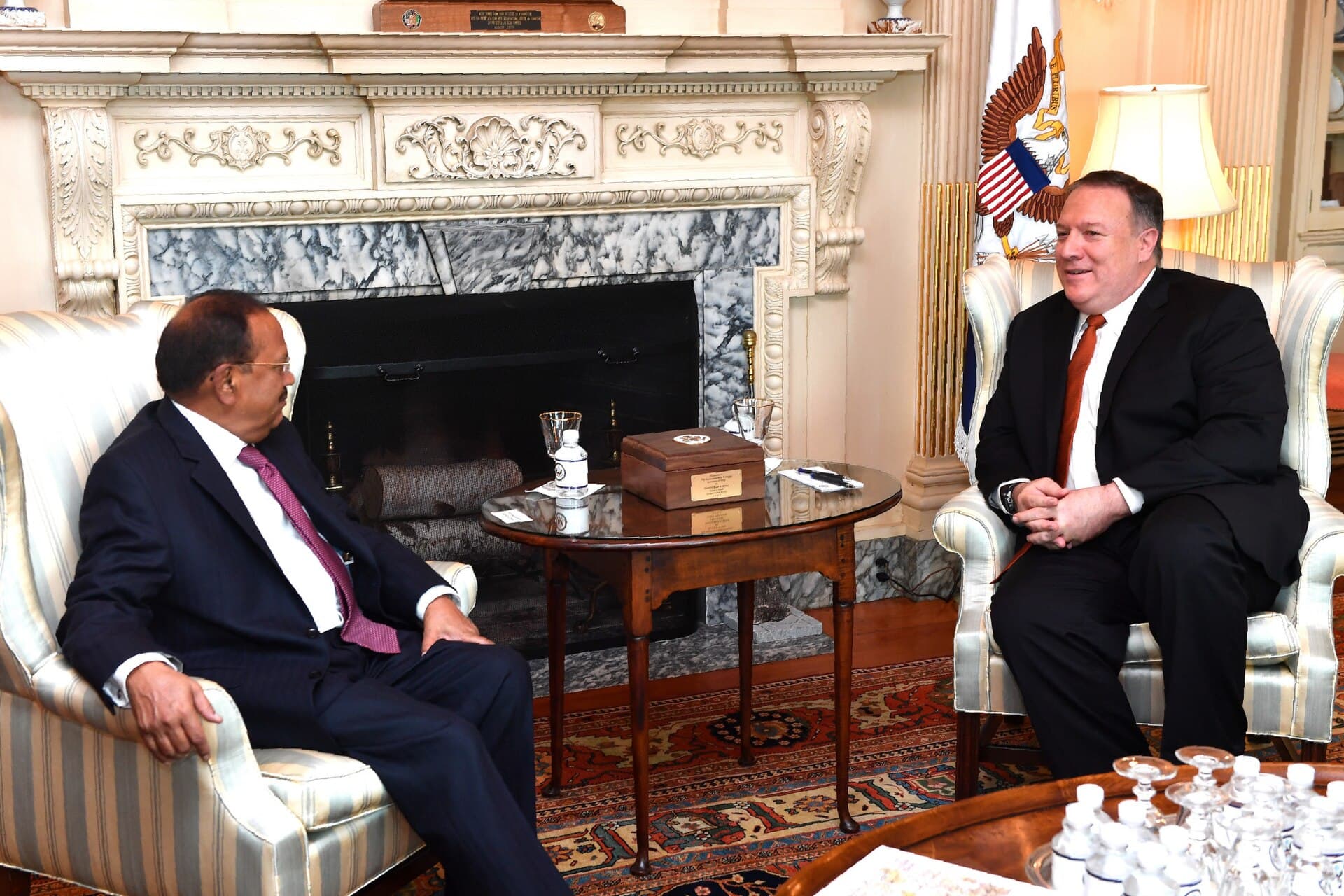
A United States district court has sought assistance from judicial authorities in New Delhi to deliver legal summons to National Security Adviser Ajit Doval and former Research and Analysis Wing chief Samant Goel. The request forms part of ongoing civil litigation initiated by separatist figure Gurpatwant Singh Pannun.
Court Order and Alternative Delivery Methods
Judge Katherine Polk Failla of the United States District Court for the Southern District of New York issued an order authorizing an alternative method for delivering the legal documents. This decision followed the rejection of standard delivery attempts made through India's designated central authority under the provisions of the Hague Convention.
To bypass the initial setback, the presiding judge invoked Article 19 of the Hague Convention alongside relevant sections of India's Code of Civil Procedure. The court clerk received instructions to dispatch the required judicial files via international mail or courier directly to three distinct district courts situated in the national capital.
Targeted Delhi District Courts
The judicial documents have been directed toward three specific legal institutions in New Delhi: the Patiala House district court, the Dwarka district court, and the Tis Hazari district court. The formal order explicitly asks these receiving entities to facilitate the delivery of process documents to the two high-ranking Indian officials named as defendants in the active civil lawsuit.
Legal observers and informed sources have characterized the development as a routine procedural maneuver rather than a definitive legal ruling. Reports indicate that the current judicial outreach does not impose any binding legal obligation upon either Ajit Doval or Samant Goel to respond or appear before the foreign tribunal.
Background of the Civil Litigation
The civil proceedings were brought forward by Gurpatwant Singh Pannun, who operates as the founder of the organization known as Sikhs for Justice. This group has been identified as a pro-Khalistan separatist entity involved in various legal campaigns abroad.
Prior to the latest district court involvement, legal notices were channeled through the Indian embassy via the United States State Department. During that earlier transmission, diplomatic channels noted that delivering the papers did not convey any official stance or assessment regarding the underlying merits of the allegations presented in the lawsuit.
Historical Precedents and Legal Scope
Similar judicial actions involving Indian figures have occurred in the past. A comparable instance took place in 2013, when a civil summons was directed toward former Prime Minister Manmohan Singh within a separate lawsuit filed by the same organization. That historic proceeding involved allegations concerning human rights violations connected to the anti-Sikh riots of 1984.
Despite the procedural steps being undertaken by the foreign tribunal, officials maintain that the current action lacks binding force under local jurisdiction. The engagement of the local district courts is limited strictly to assisting with the transmission of documents, leaving the substantive aspects of the litigation unresolved as the process unfolds.
- The US court invoked Article 19 of the Hague Convention after standard delivery attempts failed.
- Judicial papers are being sent through international mail or courier to Patiala House, Dwarka and Tis Hazari courts.
- The lawsuit was filed by Sikhs for Justice founder Gurpatwant Singh Pannun.
Spotted an error? · Our editorial policy
UP NEXTIndia Takes Commanding 118-Run Lead Against New Zealand on Day 3 of First TestOther angles · #Ajit Doval
Timeline →- NewsIndia Rejects US Court Summons in Civil Lawsuit Filed by Gurpatwant Singh Pannun
- NewsIndia Rejects US Court Summons Directed at National Security Advisor
- NewsUS Court Directs Summonses for Ajit Doval and Samant Goel Through Delhi Judicial Authorities
- NewsUS Federal Court Directs Summons for NSA Ajit Doval and Former RAW Chief Through Delhi Judicial Authorities
More from World Politics
Donald Trump Jokingly Asks White House Chief of Staff Stephen Miller About 2028 Presidential Run
Trump Discusses Nuclear Buildup and AI Safeguards Following Trilateral Summit with Xi and Putin

Trump Threatens Heavy Taxes on US Firms Constructing Data Centers Overseas