U.S. and China Reach Agreement on Human Oversight for Military AI
President Donald Trump and Chinese leader Xi Jinping have reached a consensus that humans must maintain control over major military decisions involving artificial intelligence.

- President Trump and President Xi agreed that humans must be involved in autonomous military AI decisions.
- The U.S. has introduced new regulations to curb Chinese remote access to advanced AI computing power.
- Treasury Secretary Scott Bessent reported a decrease in Chinese orders for Nvidia H200 chips as China attempts to build its own technology stack.
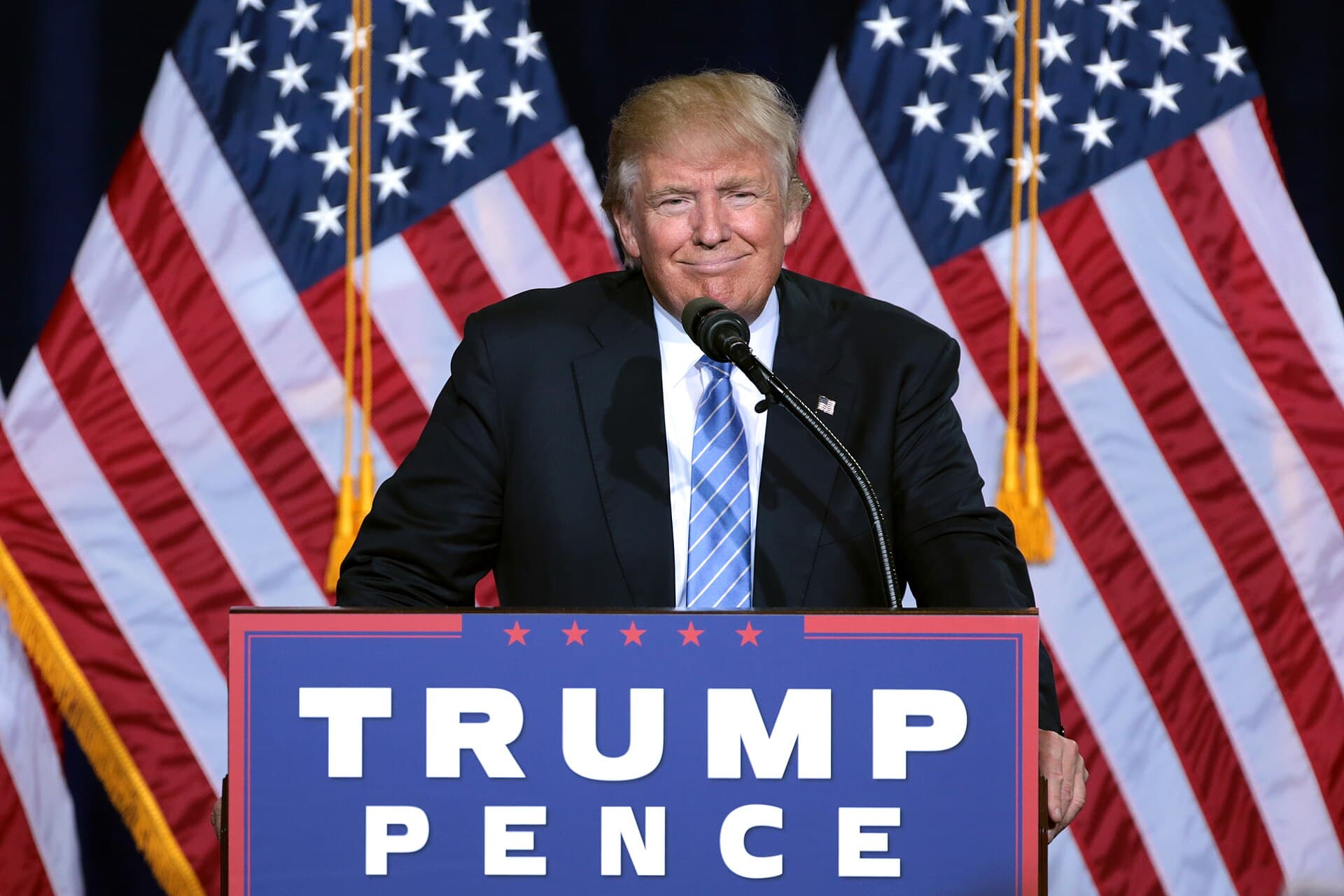
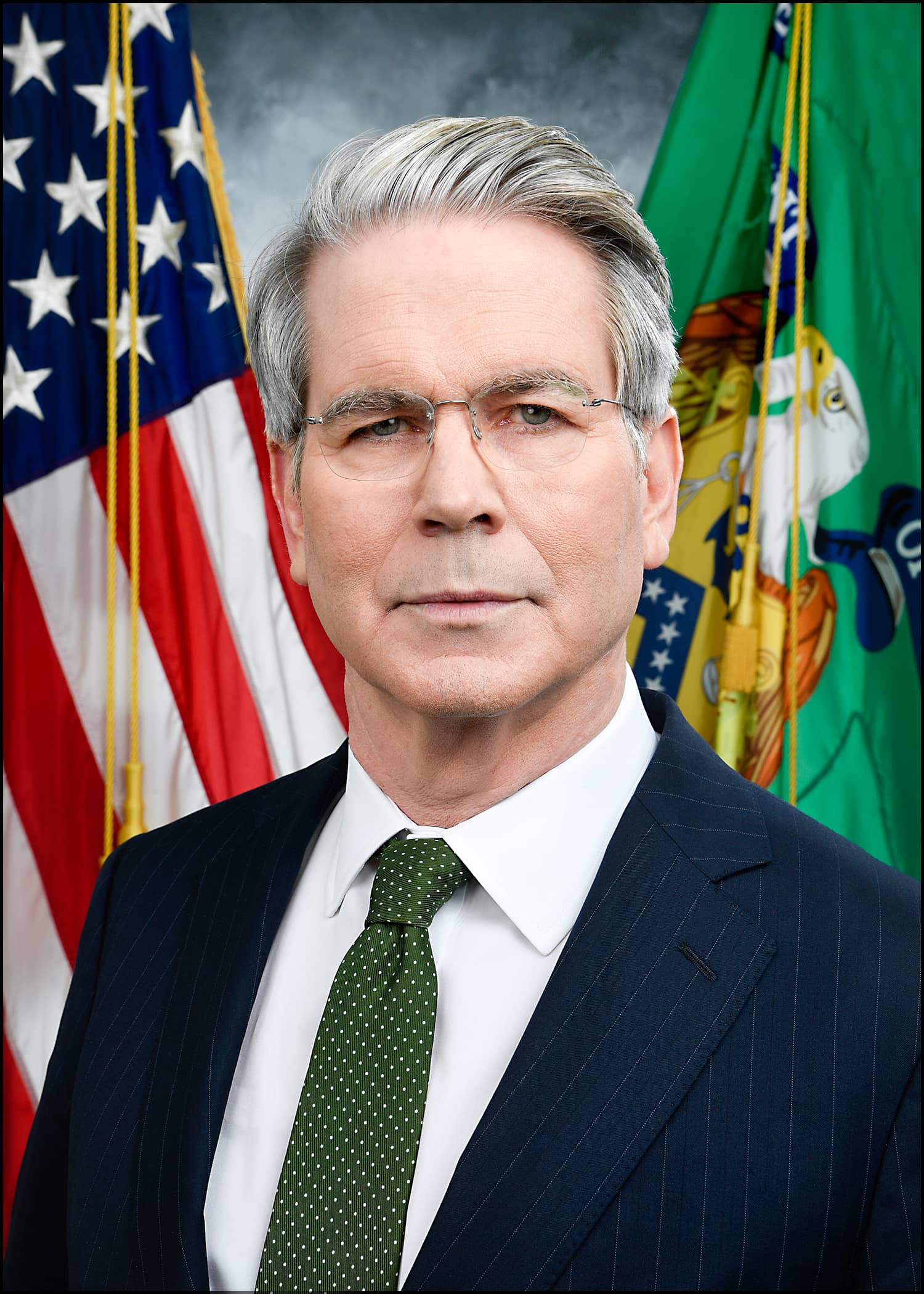
U.S. Treasury Secretary Scott Bessent announced that President Donald Trump and Chinese President Xi Jinping have agreed that humans should remain essential in military decision-making processes involving artificial intelligence. Speaking after returning from a recent diplomatic trip to Asia, Bessent noted that the two leaders reached a consensus that AI should not function autonomously regarding significant military actions.
Regulatory and Technical Restrictions
The Trump administration has recently implemented interim measures to tighten oversight on the export of processors to several nations. These rules, developed by the Treasury Department and the National Security Council, specifically target the ability of Chinese entities to obtain remote access to advanced AI chips and servers. Bessent confirmed that these restrictions are intended to ensure proper oversight of chip access.
Policy Context and Nvidia Exports
Despite ongoing concerns regarding technological competition, Bessent stated that the military AI agreement remains distinct from the broader rivalry for AI supremacy. He noted that the administration continues to take a firm approach toward chip exports, highlighting that there has been a significant decline in orders for Nvidia H200 chips from China. Bessent suggested that China is currently focusing on developing its own domestic semiconductor capabilities to compensate for these limited access points.
Regarding the recent resignation of Nvidia CEO Jensen Huang following government investigations, Bessent clarified that this topic was not addressed during the bilateral meeting between Trump and Xi. Furthermore, he emphasized that the administration’s cabinet remains united in its commitment to executing the president’s directives concerning AI policy and trade enforcement.
- U.S. and China have agreed to maintain human oversight for major military AI decisions.
- New U.S. rules further restrict Chinese access to high-end processors and remote AI infrastructure.
- The U.S. government remains focused on maintaining a lead in AI technology while enforcing strict export controls.
Spotted an error? · Our editorial policy
UP NEXTIndia take 118-run lead against New Zealand after strong batting on Day 3Other angles · #Artificial Intelligence
Timeline →- NewsAnthropic Researcher Claims AI-Assisted Proof for the Riemann Hypothesis
- NewsTrump Backs Jensen Huang’s Return to Nvidia Amid Board Resistance and Intelligence Scrutiny
- NewsTrump Discusses Nuclear Buildup and AI Safeguards Following Trilateral Summit with Xi and Putin
- NewsTrump Threatens Heavy Taxes on US Firms Constructing Data Centers Overseas
More from World Politics
Donald Trump Jokingly Asks White House Chief of Staff Stephen Miller About 2028 Presidential Run
Trump Discusses Nuclear Buildup and AI Safeguards Following Trilateral Summit with Xi and Putin

Trump Threatens Heavy Taxes on US Firms Constructing Data Centers Overseas