Trump Travels to Asia Amid Domestic Tech Outages and High-Stakes Diplomacy
US President Donald Trump is heading to China for an APEC summit and meetings with Xi Jinping and Vladimir Putin, while his administration grapples with a series of domestic technological outages.

- US President Donald Trump traveled to Manila and Shenzhen amid domestic technological outages affecting Microsoft, the FAA, JPMorgan Chase, and the NSA.
- Secretary of State Marco Rubio stated there was no evidence connecting the digital disruptions to foreign governments or criminal hackers.
- Trump is scheduled to participate in the APEC summit and hold a trilateral meeting with Chinese President Xi Jinping and Russian leader Vladimir Putin to discuss nuclear limits and the war in Ukraine.
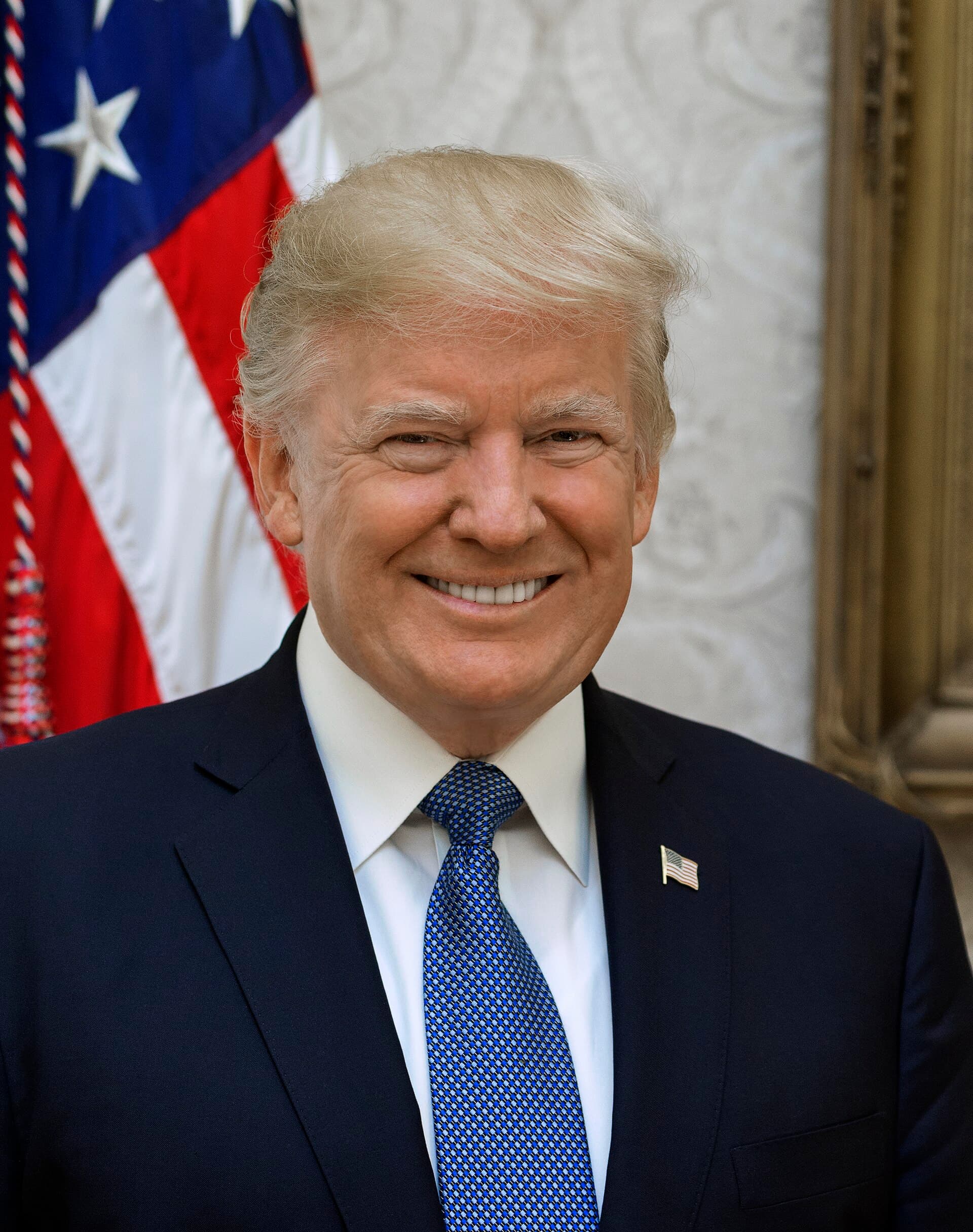
United States President Donald Trump commenced a diplomatic tour of Asia by stopping in Manila before traveling onward to Shenzhen, China, for the Asia-Pacific Economic Cooperation summit. While abroad, the American leader has sought to project national strength and certainty. However, his overseas agenda has been complicated by a wave of digital disruptions affecting critical infrastructure back home.
Domestic Technical Outages and Artificial Intelligence Concerns
A sequence of unexpected technological failures recently impacted organizations across the United States, including Microsoft, JPMorgan Chase, the Federal Aviation Administration, and the communications network of the National Security Agency. These disruptions created widespread public anxiety regarding core services such as email access, financial transactions, and commercial flight safety. Addressing reporters from the Philippine capital, Trump downplayed the significance of the incidents, characterizing them as a natural byproduct of running a major world power.
Secretary of State and National Security Adviser Marco Rubio later stepped in to brief the public on the administration's behalf, stating there was zero indication that the technical glitches were coordinated or linked to hostile foreign nations, criminal groups, or hackers. Rubio noted that software patching required to address newly identified vulnerabilities can sometimes trigger short-term disruptions, pointing to potential links with artificial intelligence systems. The events have heightened ongoing debates concerning national security risks and the rapid, sometimes unpredictable evolution of modern technology.
Bilateral Meetings in Manila and Regional Alliances
During his initial stop in Manila, Trump held lunch meetings at the Malacanang Presidential Palace with Philippine President Ferdinand Marcos Jr., who arranged for local fast-food deliveries to the visiting American delegation. Discussions touched upon shared historical ties and values between the two nations. The itinerary also included the possibility of a brief meeting with 97-year-old former first lady Imelda Marcos, subject to medical clearance.
Meanwhile, regional dynamics continue to shift. Chinese President Xi Jinping recently met with Canadian Prime Minister Mark Carney, with both leaders agreeing to lower mutual tariffs. This diplomatic engagement followed bilateral strains involving United States trade policies and provocative commentary from Washington regarding Canada's sovereign status. China remains a dominant global manufacturer, maintaining a substantial trade surplus for consecutive years.
Agenda for the Trilateral Summit in China
Upon arriving in Shenzhen, Trump is scheduled to participate in the APEC summit before entering into an unprecedented trilateral meeting with Xi Jinping and Russian leader Vladimir Putin. The agenda is expected to focus on limiting nuclear arsenals and exploring pathways to conclude the ongoing conflict in Ukraine, which erupted following Russia's 2003 invasion. Although White House aides previously indicated that the Ukraine war would not form part of the formal discussions, Trump expressed optimism regarding potential diplomatic breakthroughs driven by heavy troop casualty rates.
Additionally, Trump floated the prospect of conducting private bilateral discussions with Putin, alongside a potential separate dialogue with North Korean leader Kim Jong Un. Rubio confirmed that Trump remains open to engaging with Kim to ease regional tensions, though no formal bilateral session had been finalized for the immediate schedule. Past geopolitical friction has also been exacerbated by military engagements in Iran initiated earlier in the year, which contributed to global energy price volatility and inflationary pressures.
Advanced Technology Access and Strategic Debates
Broader technological competition between Washington and Beijing continues to frame the diplomatic backdrop. Questions persist regarding how advanced computer semiconductors are acquired for foreign artificial intelligence development, following personnel shifts involving industry figures close to the administration. When questioned about export restrictions on advanced hardware, Trump emphasized the delicate balance between maintaining robust bilateral ties with Beijing and addressing domestic security concerns without causing unnecessary diplomatic offense.
- Domestic technological outages involving major American networks and agencies prompted public concern during the presidential trip.
- Secretary of State Marco Rubio assured the public that the technical glitches were not linked to foreign cyberattacks.
- Trump planned high-level meetings with Xi Jinping and Vladimir Putin in China to address international security issues.
Spotted an error? · Our editorial policy
UP NEXTSanjay Kapoor Stars in ‘Unexpected – Safed Sach’ Based on 2024 Dehradun CaseOther angles · #APEC
Timeline →- NewsTrump Expresses Optimism for Ukraine Peace Deal Following Talks With Putin
- NewsUS, Russian and Chinese Leaders Issue Joint Peace Declaration at APEC Summit
- NewsDonald Trump Concludes Asia Trip Amidst High-Profile Summits and Diplomatic Spectacle
- NewsTrump, Xi and Putin Hold First Trilateral Talks on Nuclear Arms and Global Conflicts at APEC
More from World Politics
Donald Trump Jokingly Asks White House Chief of Staff Stephen Miller About 2028 Presidential Run
Trump Discusses Nuclear Buildup and AI Safeguards Following Trilateral Summit with Xi and Putin

Trump Threatens Heavy Taxes on US Firms Constructing Data Centers Overseas