Taiwan Set to Take Backseat as Xi and Trump Prepare for APEC Summit Talks
Presidents Xi Jinping and Donald Trump are anticipated to sideline discussions regarding Taiwan during their upcoming meeting at the Asia Pacific Economic Forum in Shenzhen, China.

- Presidents Xi and Trump are expected to sideline Taiwan discussions during the APEC summit in Shenzhen in favor of tech rivalry and trade disputes.
- Taiwanese defense commitments have risen to five percent of GDP, while backlogged U.S. arms orders near thirty billion dollars due to manufacturing constraints.
- Beijing has intensified gray-zone tactics, including increased naval deployments and coast guard patrols beyond outlying islands.
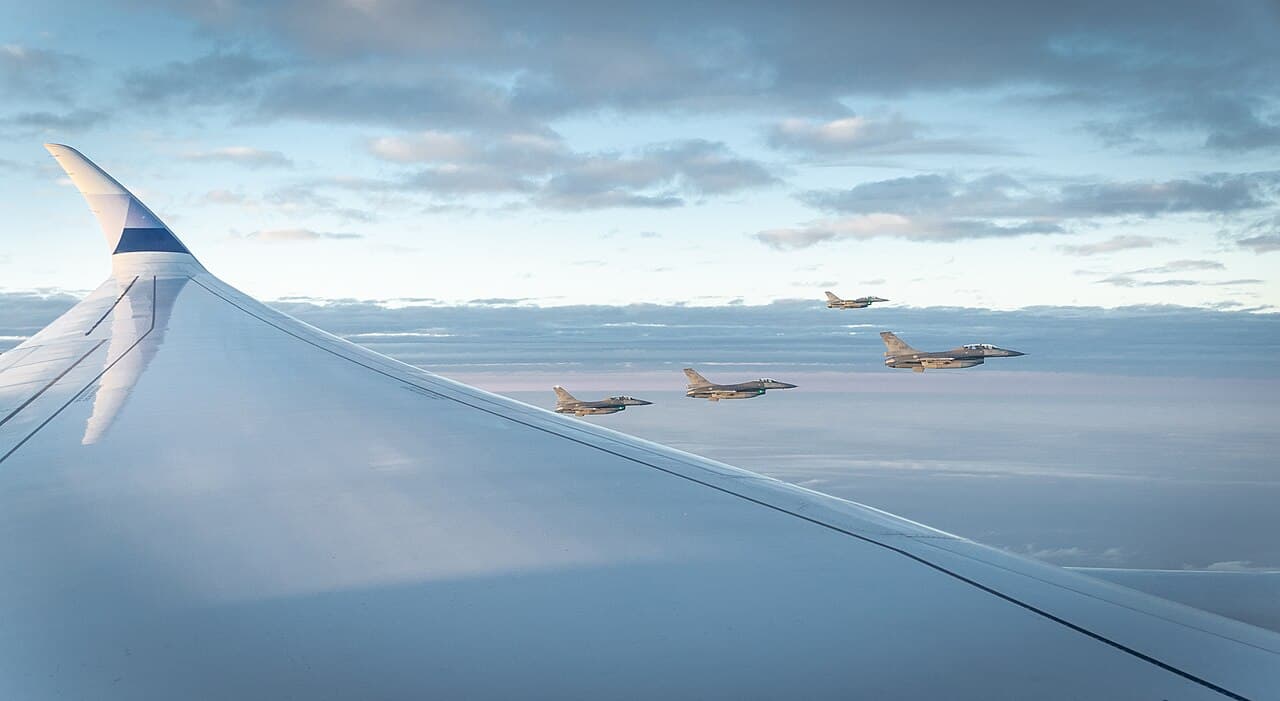
Photo: 總統府 / Wikimedia Commons (CC BY 2.0)
Leaders representing China, the United States, and approximately 21 additional economies are convening for the Asia Pacific Economic Forum summit in Shenzhen. Analysts indicate that pressing economic and technology disputes, including export controls and broader trade friction, are poised to overshadow deliberations regarding the self-governed island claimed by Beijing.
While Washington does not maintain official diplomatic recognition of Taiwan, the United States remains the territory's primary informal ally and provider of military hardware. Arthur Zhin-Sheng Wang, an expert specializing in cross-Straits relations at Taiwan's Central Police University, observed that the current U.S. administration does not view the matter as a core bilateral friction point.
Behind-the-Scenes Military Cooperation and Public Sentiment
Despite public ambivalence from the U.S. leadership, bilateral cooperation persists beneath official rhetoric. During the summer, the de facto American embassy published imagery highlighting joint operations between the respective coast guards, a rare public acknowledgement of direct security collaboration. Kuo Yu-jen, director of the Institute for National Policy Research in Taiwan, expressed surprise at the disclosure, noting it reflects decades of shared training.
Statutory obligations require Washington to assist in territorial defense primarily through authorized arms sales, while maintaining a policy of strategic ambiguity regarding direct military intervention. Polling data compiled over the past five years by a government-funded think tank indicates that local public opinion remains evenly split regarding whether American troops would deploy in the event of a conflict.
Defense Commitments and Supply Constraints
Following demands from Washington for increased domestic security spending, Taipei committed to allocating five percent of its gross domestic product toward defense. Although public attention has focused on a stalled fourteen billion dollar procurement package, an earlier eleven billion dollar agreement approved late last year is actively advancing.
Deliveries of major hardware are currently underway, marked by the arrival of five F-16V fighter aircraft in recent weeks. These units form a portion of a backlogged order queue valued near thirty billion dollars, tracked by a research project at George Mason University. Experts emphasize that delays stem primarily from manufacturing limitations and high demand for precision munitions shared with ongoing conflicts, rather than political interference.
Escalating Regional Pressure Tactics
Concurrently, Beijing has amplified military and non-military pressure targeting Taiwan. Public data compiled from defense ministry records shows the People's Liberation Army executed 5,448 fighter jet sorties during exercises throughout last year, alongside 2,401 recorded flights by mid-November. National Security Council chief Joseph Wu reported that unannounced naval drills deployed over one hundred vessels across the Western Pacific.
Observers note a strategic evolution toward blockading maneuvers and gray-zone operations designed to enforce territorial assertions short of open hostilities. These methods include expanded patrols by Chinese coast guard vessels along the eastern seaboard of Taiwan, mirroring enforcement strategies utilized in disputed maritime zones across the South China Sea.
- Bilateral talks at the APEC summit will prioritize trade and technology over cross-Straits issues.
- Taiwanese military procurements face delivery delays primarily due to manufacturing limits rather than political hurdles.
- China continues to expand gray-zone tactics and coast guard patrols near the island.
Spotted an error? · Our editorial policy
UP NEXTBritish Columbia Premier Lorne Doerkson Inducts Punjabi-Origin MLAs into CabinetOther angles · #APEC
Timeline →- NewsTrump Expresses Optimism for Ukraine Peace Deal Following Talks With Putin
- NewsUS, Russian and Chinese Leaders Issue Joint Peace Declaration at APEC Summit
- NewsDonald Trump Concludes Asia Trip Amidst High-Profile Summits and Diplomatic Spectacle
- NewsTrump, Xi and Putin Hold First Trilateral Talks on Nuclear Arms and Global Conflicts at APEC
More from World Politics
Donald Trump Jokingly Asks White House Chief of Staff Stephen Miller About 2028 Presidential Run
Trump Discusses Nuclear Buildup and AI Safeguards Following Trilateral Summit with Xi and Putin
Trump Threatens Heavy Taxes on US Firms Constructing Data Centers Overseas